
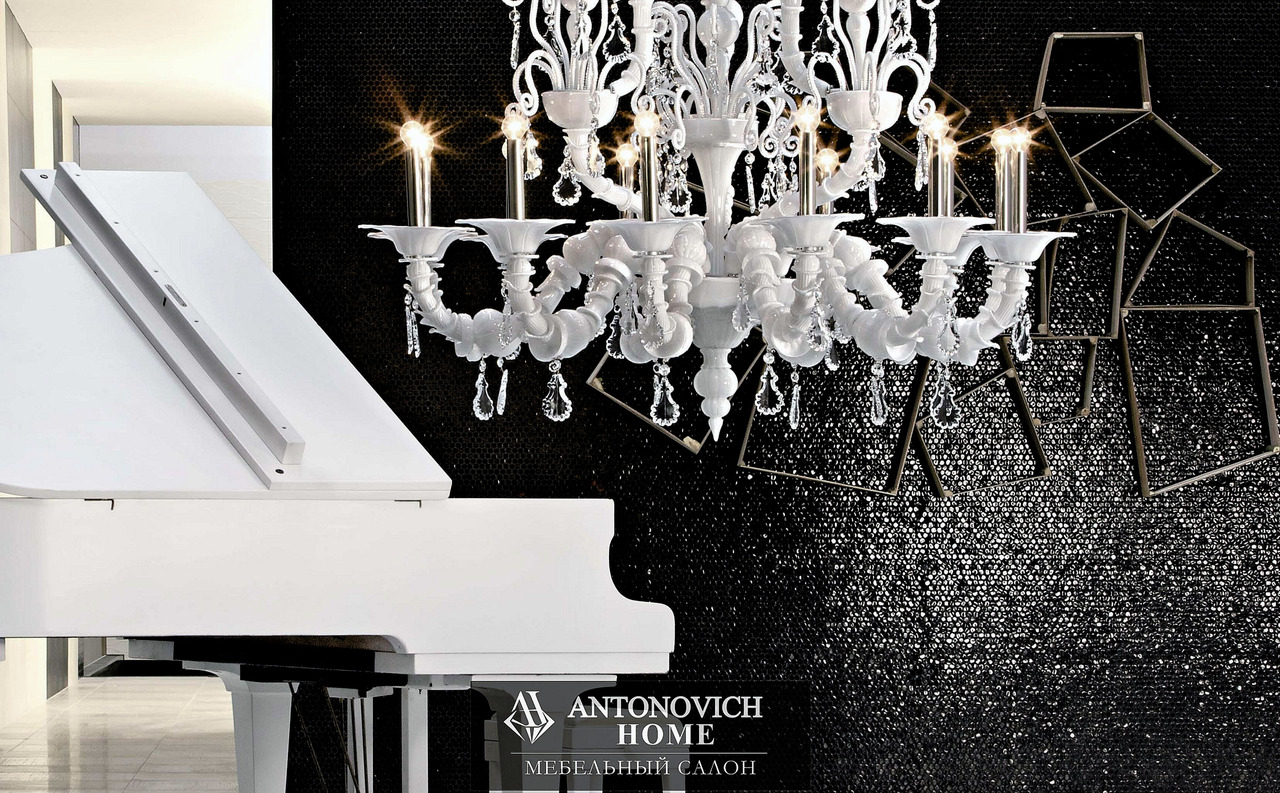
Barovier&Toso Taif Chandelier Collection
Barovier&Toso
The frequently used term “classic” carries different and sometimes contradictory meanings: a style of timeless elegance, a pleasing way to refine the past,
and an idea that resists wear and the passage of time.
Strictly speaking, the Classical period was a short phase in Greek history between the second half of the 5th century BC and the end of the 4th century BC.
The period began with the age of Pericles in 449 BC and ended with the death of Alexander the Great in 323 BC. These 128 years left a lasting mark on the culture, taste and ideals of our civilisation. Two fundamental categories define the identity of the classical style: the ideal
of ordered balance and the capacity to develop from existing elements.
One category is proportion and balance, human substitutes for happiness in a lost paradise. Another category is translation into different languages through recognisable, universal and shared forms. The classical style does not assert itself through breakthroughs. The classical style results from slow work and refinement. Although the classical canon presents itself as a universal model to imitate and reproduce, each reproduction becomes a new interpretation of existing stylistic elements. Suspended between tradition and the future, between the present and eternity, the classical canon is now part of our culture.
Understood as a style, the classical canon is a model that Neoclassical admirers repeatedly reworked, from the Renaissance and Palladio to Adam and Jefferson.
Classic offers a reliable refuge from the uncertainties of the new.
Classic design today is defined by precious moments and forms in which innovation and tradition establish a new balance that challenges time and trends.
Classic Taif
In 1980, the sovereign of Saudi Arabia commissioned an important project. Parisian interior designers were creating a new palace in the city of Taif. French designers contacted Barovier & Toso to develop and supply a series of grand chandeliers for the royal palace.
The prospect of placing a Venetian chandelier in an interior shaped by French taste prompted Angelo Barovier and Toso to rethink the image of the Murano glass tradition. Barovier & Toso adapted the design to its setting by making room for original and varied elements. The design retained the essence of the Venetian idiom.
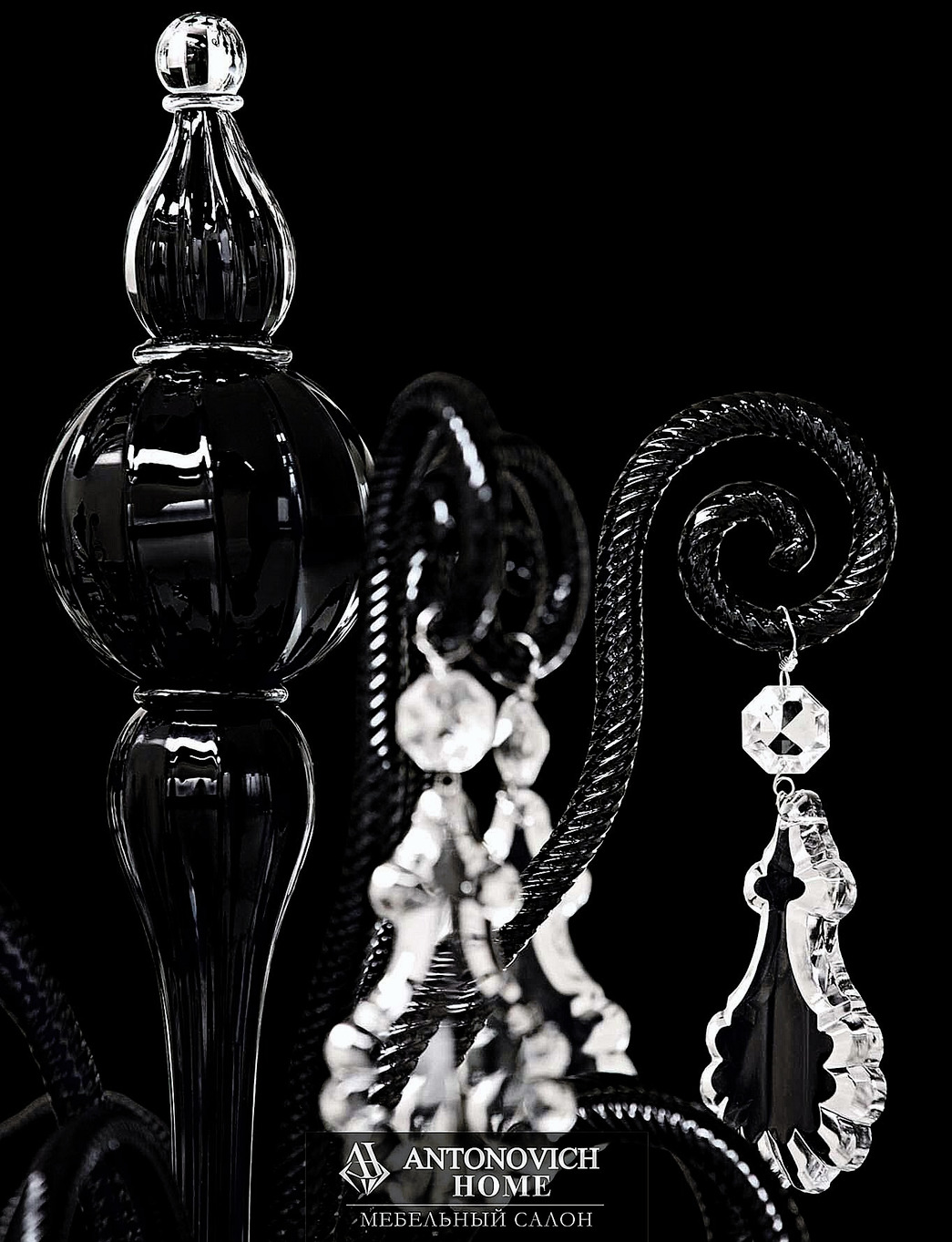
The process took shape through subtraction and replacement, simplification and enrichment. The design identity rests on the chandelier’s “arms”, whose curves are defined by the supporting metal structure into which the glass was inserted. Traditional leaf and flower ornaments were removed, while the remaining traditional decorative
elements were limited to bishop’s staffs: large, curved glass croziers.
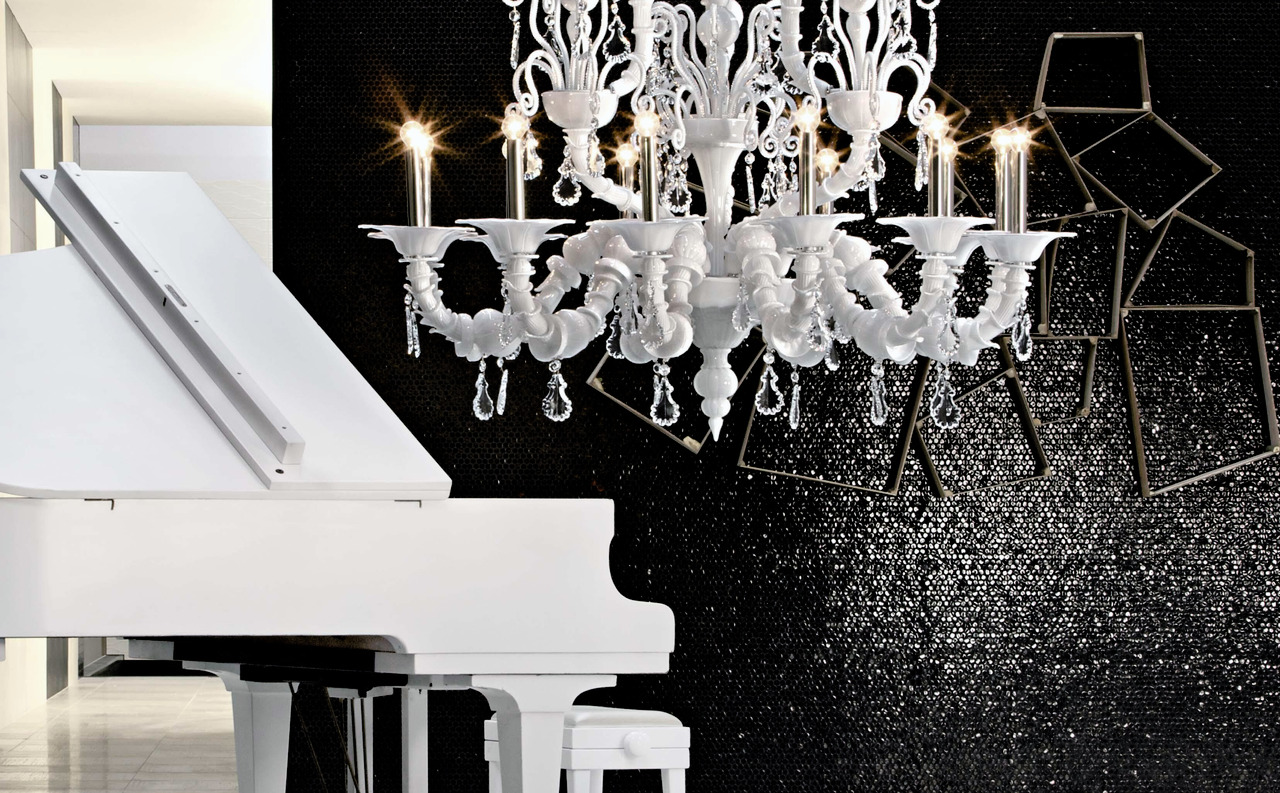
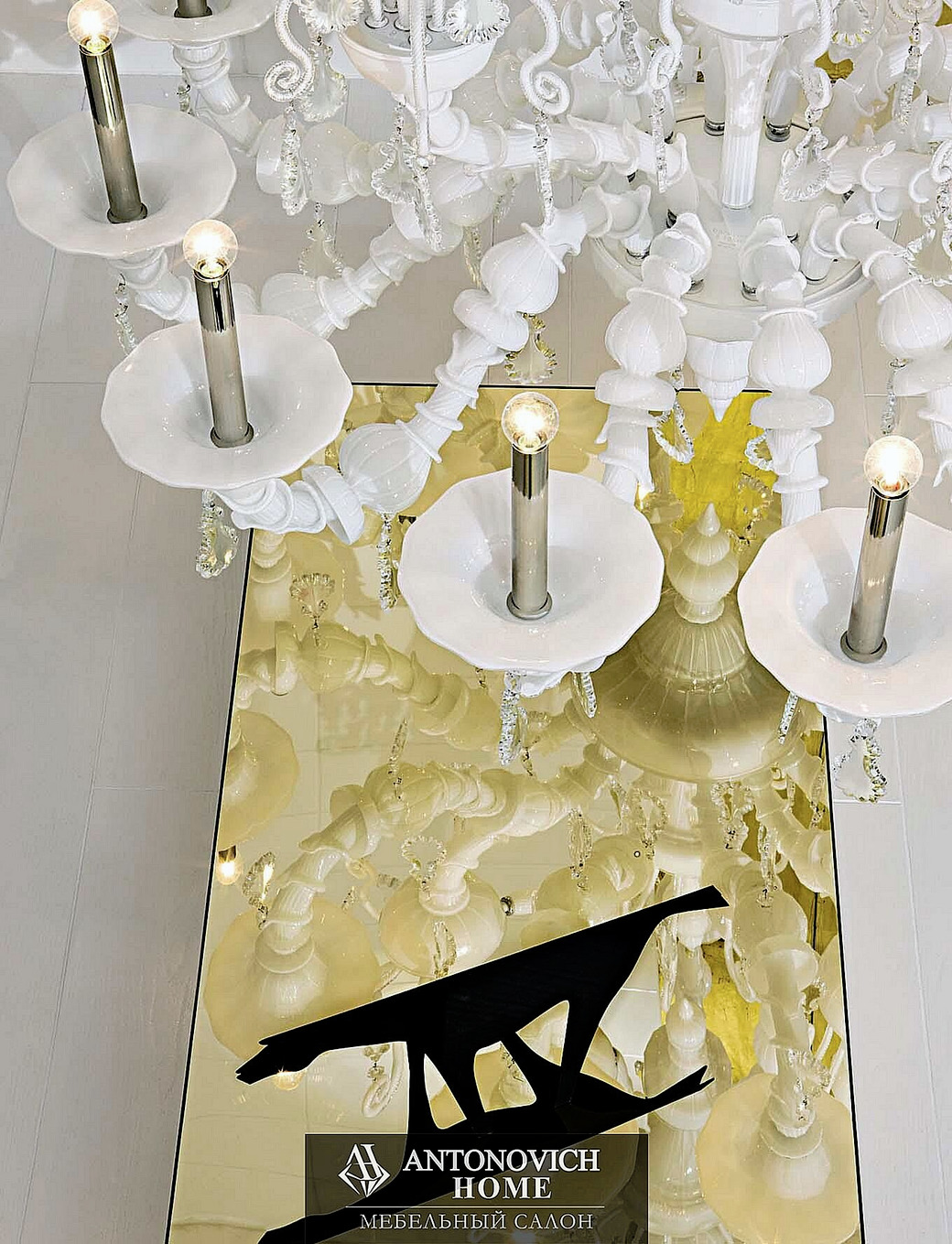
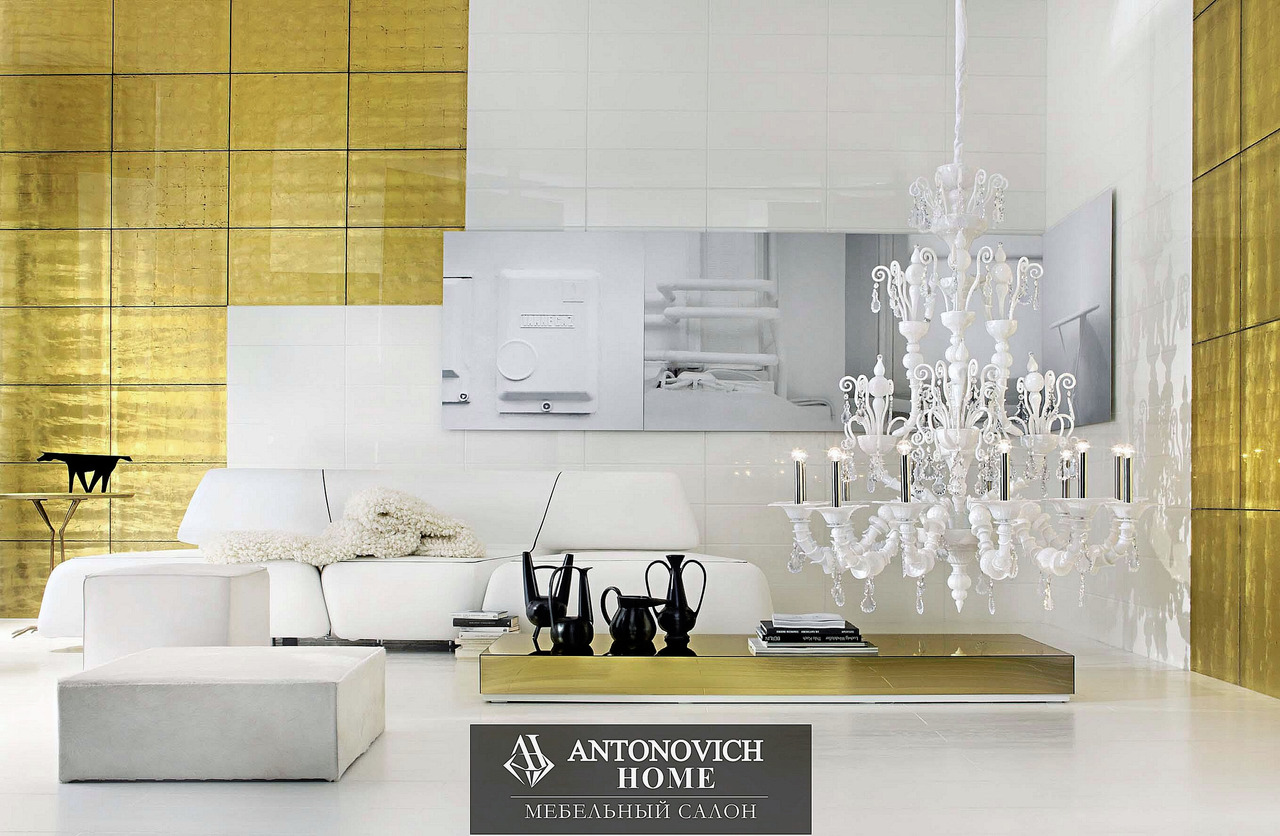
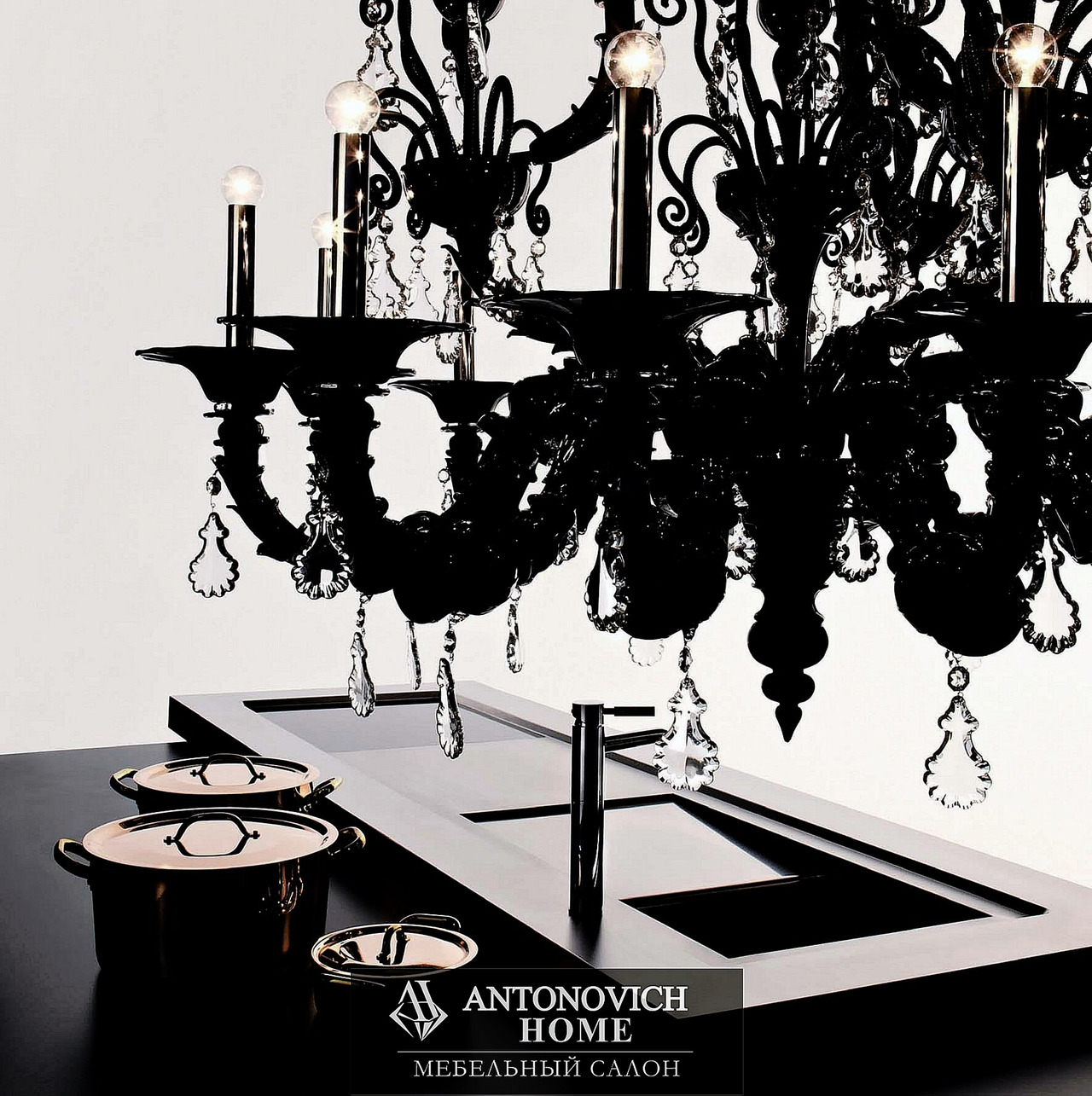
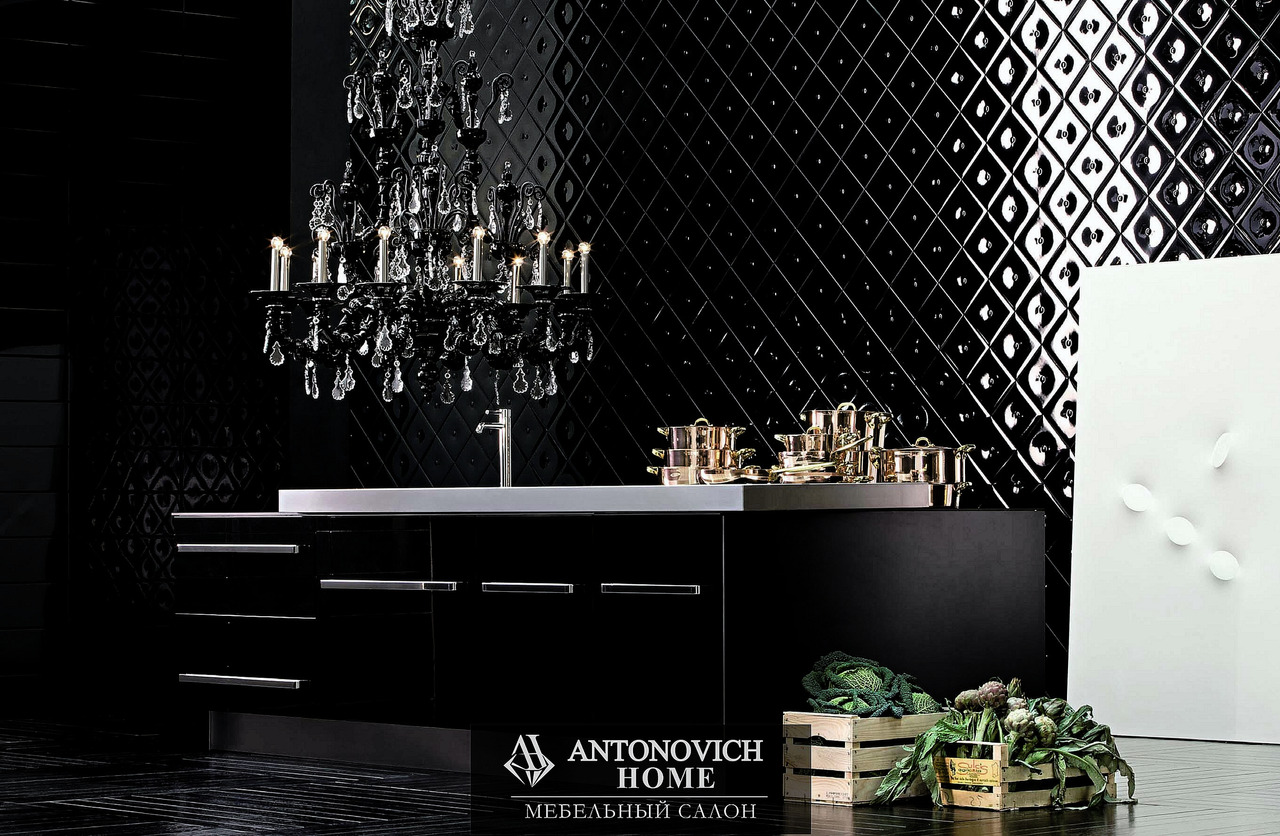
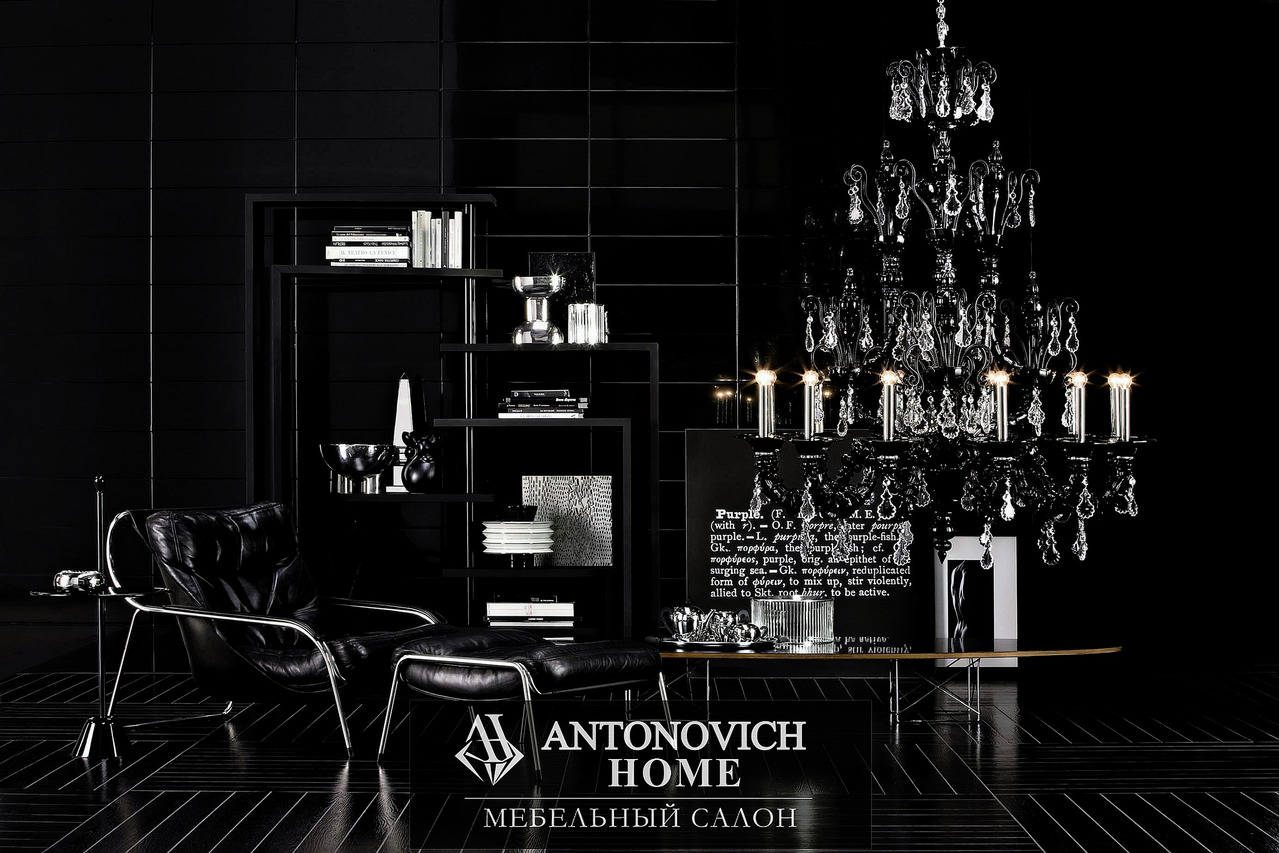
The substantial simplification also produced a clear rejection of polychromy, replaced by a restrained monochrome composition. The cleansing process was deliberate. The Murano model introduced formally different elements that transformed the Venetian chandelier archetype and restored its full radiance through drops of Bohemian crystal and specially made unusual candles holding bulbs in brilliant chrome-plated steel. Barovier & Toso developed this decorative choice several years later for a dramatic black version of the chandelier at the Seoul Hyatt Hotel. Although black belonged to the Venetian
tradition, black had never previously been used as the sole colour.
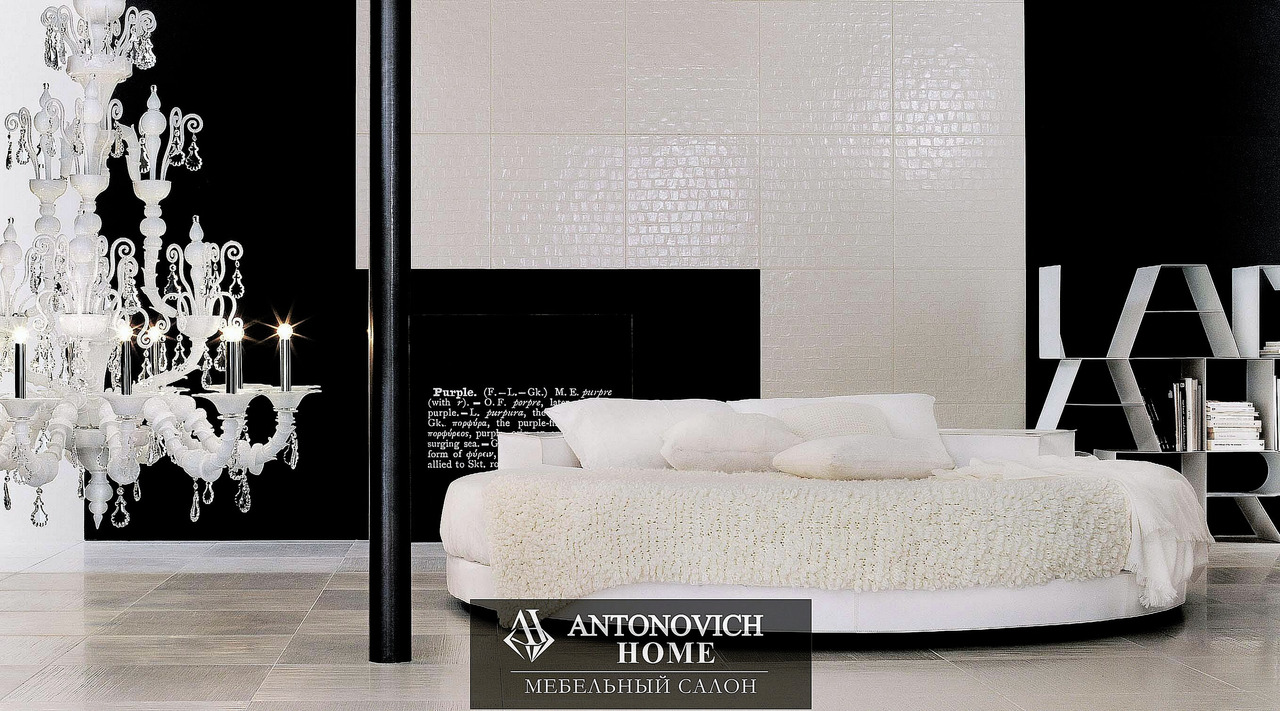
The Taif chandelier collection moved beyond historical convention to express the balanced equilibrium of Classic.
Explore the online catalogue to buy Italian Barovier&Toso lighting. The catalogue presents varied models with high-quality photographs for comparison and online ordering.
Contact Antonovych Home to enquire about lighting and luxury Italian furniture.
and an idea that resists wear and the passage of time.
Strictly speaking, the Classical period was a short phase in Greek history between the second half of the 5th century BC and the end of the 4th century BC.
The period began with the age of Pericles in 449 BC and ended with the death of Alexander the Great in 323 BC. These 128 years left a lasting mark on the culture, taste and ideals of our civilisation. Two fundamental categories define the identity of the classical style: the ideal
of ordered balance and the capacity to develop from existing elements.
One category is proportion and balance, human substitutes for happiness in a lost paradise. Another category is translation into different languages through recognisable, universal and shared forms. The classical style does not assert itself through breakthroughs. The classical style results from slow work and refinement. Although the classical canon presents itself as a universal model to imitate and reproduce, each reproduction becomes a new interpretation of existing stylistic elements. Suspended between tradition and the future, between the present and eternity, the classical canon is now part of our culture.
Understood as a style, the classical canon is a model that Neoclassical admirers repeatedly reworked, from the Renaissance and Palladio to Adam and Jefferson.
Classic offers a reliable refuge from the uncertainties of the new.
Classic design today is defined by precious moments and forms in which innovation and tradition establish a new balance that challenges time and trends.
Classic Taif
In 1980, the sovereign of Saudi Arabia commissioned an important project. Parisian interior designers were creating a new palace in the city of Taif. French designers contacted Barovier & Toso to develop and supply a series of grand chandeliers for the royal palace.
The prospect of placing a Venetian chandelier in an interior shaped by French taste prompted Angelo Barovier and Toso to rethink the image of the Murano glass tradition. Barovier & Toso adapted the design to its setting by making room for original and varied elements. The design retained the essence of the Venetian idiom.
The process took shape through subtraction and replacement, simplification and enrichment. The design identity rests on the chandelier’s “arms”, whose curves are defined by the supporting metal structure into which the glass was inserted. Traditional leaf and flower ornaments were removed, while the remaining traditional decorative
elements were limited to bishop’s staffs: large, curved glass croziers.
The substantial simplification also produced a clear rejection of polychromy, replaced by a restrained monochrome composition. The cleansing process was deliberate. The Murano model introduced formally different elements that transformed the Venetian chandelier archetype and restored its full radiance through drops of Bohemian crystal and specially made unusual candles holding bulbs in brilliant chrome-plated steel. Barovier & Toso developed this decorative choice several years later for a dramatic black version of the chandelier at the Seoul Hyatt Hotel. Although black belonged to the Venetian
tradition, black had never previously been used as the sole colour.
The Taif chandelier collection moved beyond historical convention to express the balanced equilibrium of Classic.
Explore the online catalogue to buy Italian Barovier&Toso lighting. The catalogue presents varied models with high-quality photographs for comparison and online ordering.
Contact Antonovych Home to enquire about lighting and luxury Italian furniture.
Delivery and payment
We arrange fast and secure furniture delivery nationwide and internationally. Tailored delivery arrangements are available for premium orders.
- In-stock items: delivery the next day after payment
- Made-to-order items from Italy: delivery from 3 weeks after payment for the order
- Direct delivery from the factory to your address anywhere in the world