
Paolo Rizzatto
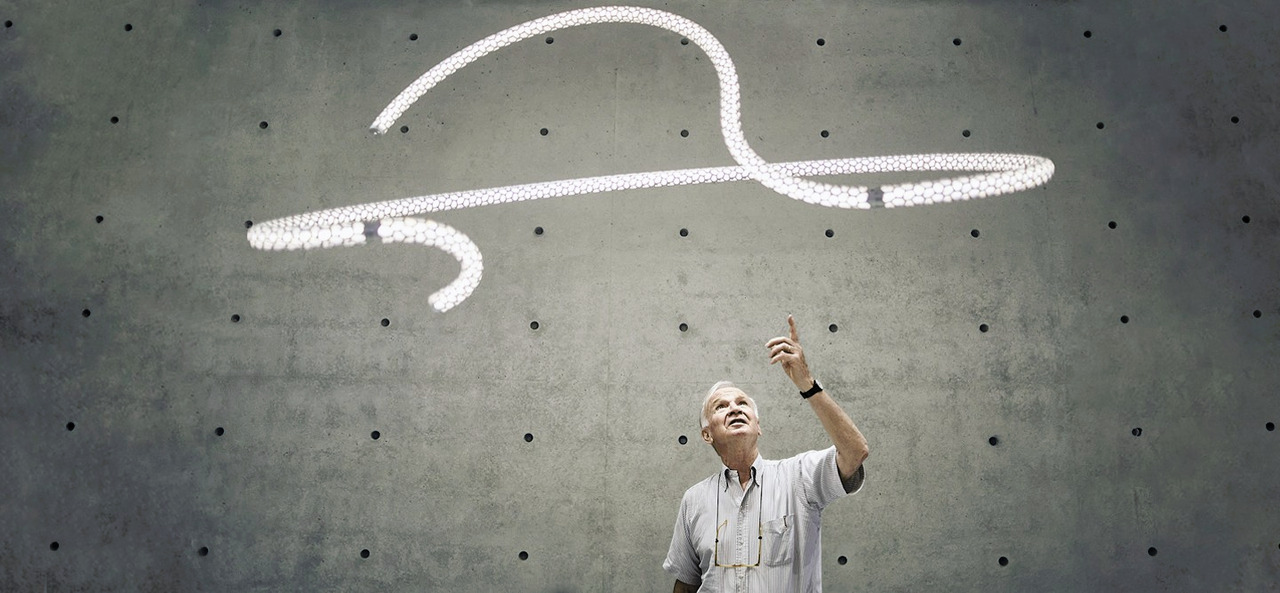
Paolo Rizzatto: architect of light and creator of one of the 20th century's greatest lamps
Paolo Rizzatto holds a distinctive place in the history of modern lighting design. Unlike many designers of his generation, Paolo Rizzatto always thought like an architect: light was not a decorative addition, but an independent material that shaped space. This approach led to the creation of 265, the legendary Flos wall lamp that remains one of the world's most recognisable models more than fifty years later and is regarded as an icon of industrial design.
Biography
Paolo Rizzatto was born in Milan in 1941. Paolo Rizzatto graduated from the architecture faculty at Politecnico di Milano in 1965. Paolo Rizzatto then began working in architecture, interior design and industrial design, with particular attention to the study of light and its role in space.
Paolo Rizzatto founded Luceplan with Riccardo Sarfatti in 1978. Luceplan later became one of Europe's leading manufacturers of designer lighting. During his career, Paolo Rizzatto collaborated with Flos, Artemide, Cassina, Knoll, Alias, Kartell and other recognised brands. Museums around the world hold Paolo Rizzatto's work in their collections, and his designs rank among the notable works of Italian design from the second half of the 20th century.
Design philosophy
Paolo Rizzatto repeatedly emphasised that light can completely change the perception of architecture. Paolo Rizzatto regarded lighting as comparable to concrete, wood or glass: lighting shapes space while remaining almost invisible.
Construction, the movement of light and freedom of interaction between people and objects therefore remain central to Paolo Rizzatto's work.
Key principles of Paolo Rizzatto's design:
architectural thinking instead of a decorative approach;
honest construction and materials;
maximum freedom for the movement of light;
durability as the main quality criterion;
minimal form with maximum functionality.
Collaboration with Flos
Paolo Rizzatto began collaborating with Flos in the early 1970s, when Flos was actively shaping a new culture of modern lighting design. Flos gave Paolo Rizzatto the opportunity to develop ideas that treated a lamp as an architectural tool rather than a decorative object.
Paolo Rizzatto created several models for Flos during the collaboration. The 265 series became one of the most significant projects in Flos history and permanently changed perceptions of wall lighting.
265 (1973)
Flos presented the 265 lamp in 1973. The 265 lamp is now regarded as one of the most famous wall lamps of the 20th century.
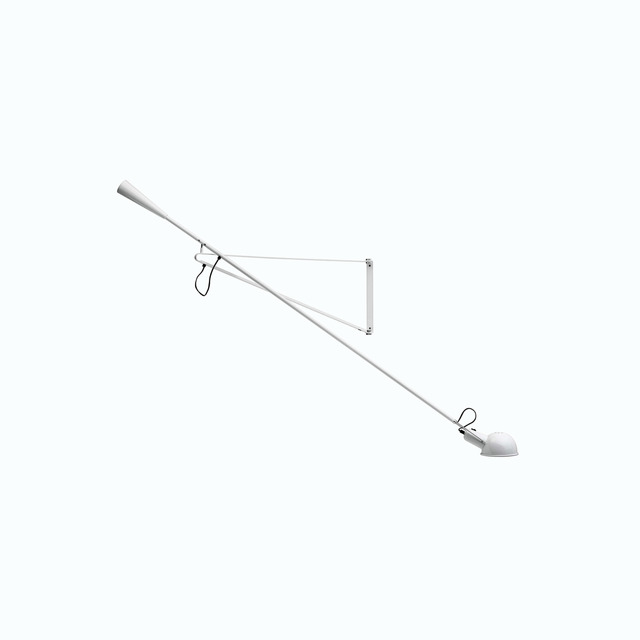
The central idea behind the 265 project was to free the light source from a fixed position. A long pivoting arm moves the light far from the wall and creates the impression that the lamp is floating in the air.
Construction features
adjustable steel arm measuring more than two metres;
rotating metal reflector;
sturdy wall support;
conical cast-iron counterweight;
precise light direction towards almost any point in the space.
The balance between the long arm and the substantial counterweight made the 265 an engineering masterpiece. The 265 lamp has a complex construction, yet the lamp looks remarkably light and almost weightless.
265 Small
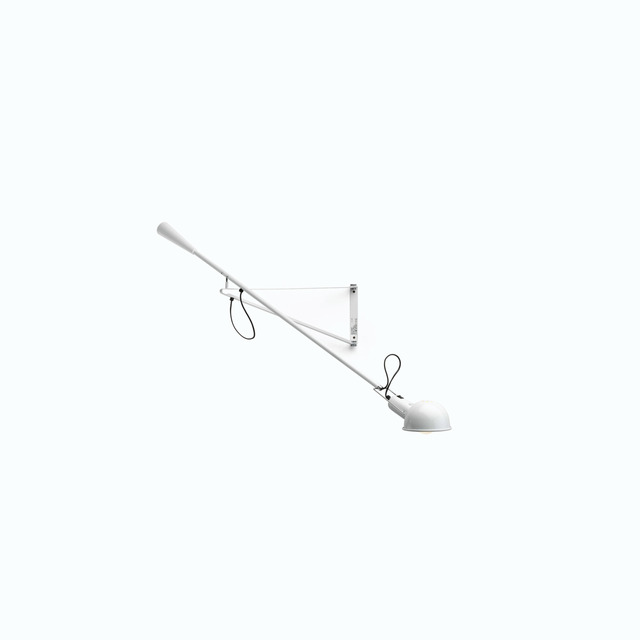
The modern 265 Small version retains all the principles of the original model while offering more compact proportions.
The shorter arm makes the 265 Small especially practical for city apartments, hotel rooms, studies and smaller public spaces. The 265 Small model retains the characteristic freedom of movement, architectural expression and signature cast-iron counterweight.
265 Chromatica
The 265 Chromatica collection offers a contemporary interpretation of the iconic model.
Colour in the 265 Chromatica version does not function as a decorative element alone. Colour highlights the lamp's construction and makes the role of every element legible. Bright accents turn the engineering system into an expressive graphic composition while preserving the original project philosophy.
Why the 265 became a legend
The success of the 265 comes from the combination of engineering thinking, an architectural approach and artistic expression.
The 265 can function as a wall lamp, pendant and task light. The 265 can illuminate a dining table, work surface, library or central area of a room while remaining attached to the wall at a single point.
Such freedom of use was a genuine revolution in 1973. The concept still looks modern more than half a century later and remains a reference point for functional design.
Paolo Rizzatto in contemporary interiors
Paolo Rizzatto lamps are particularly sought after for projects that value architectural clarity, flexible lighting and visual lightness. The 265 collection works equally well in minimalist apartments, historic lofts, boutique hotels, galleries, offices and public spaces.
Unlike many decorative objects, the 265 does not seek to become an interior's main ornament. The strength of the 265 lies in its ability to change the perception of space through light, movement and precisely engineered construction.
The 265 remains one of the most recognisable works of global design more than fifty years after its launch. The 265 continues to show how an architectural idea can become an enduring object.
Paolo Rizzatto pieces
Looking for the right Italian furniture?
Antonovych Home advises on collections, availability, configurations and current offers.