
Philippe Starck

Design includes many famous names, but only a few change how people understand the objects around them. Philippe Starck belongs to that group of designers. Philippe Starck has created more than 10,000 objects during his career, including furniture, lighting, sanitaryware, watches, electronics, hotels and public spaces. Philippe Starck's collaboration with the Italian company Flos became more than another successful partnership. The collaboration brought together two like-minded parties with the same view of design's central task: creating objects that can change everyday life.
Flos already ranked among the leading designers and manufacturers of architectural and decorative lighting when the company began working with Philippe Starck. The brand was founded in 1962 and developed its own approach to light through collaborations with the Castiglioni brothers, Tobia Scarpa, Achille Castiglioni and other prominent designers. Flos needed a freer, more emotional and more provocative perspective in the late 1980s. Philippe Starck joined the company at that point.
Light as part of everyday life
Philippe Starck has never treated a light fixture as an isolated object. Philippe Starck believes that good light cannot be assessed separately from the person using it. Light exists when light helps people live, work, rest or feel more comfortable.
This idea became the foundation for almost every project Philippe Starck created for Flos. Philippe Starck avoided turning lighting into decorative sculpture and focused instead on human sensations. Philippe Starck made atmosphere do the work rather than using form as a display. Many Starck models therefore do not demand attention and instead become a quiet part of the architecture.
When technology becomes invisible
The lighting industry experienced rapid technological change at the beginning of the 21st century. LEDs gradually replaced traditional lamps, engineers developed new lighting control systems and manufacturers experimented with materials.
Most companies wanted to emphasise the technology behind their products. Philippe Starck proposed the opposite approach.
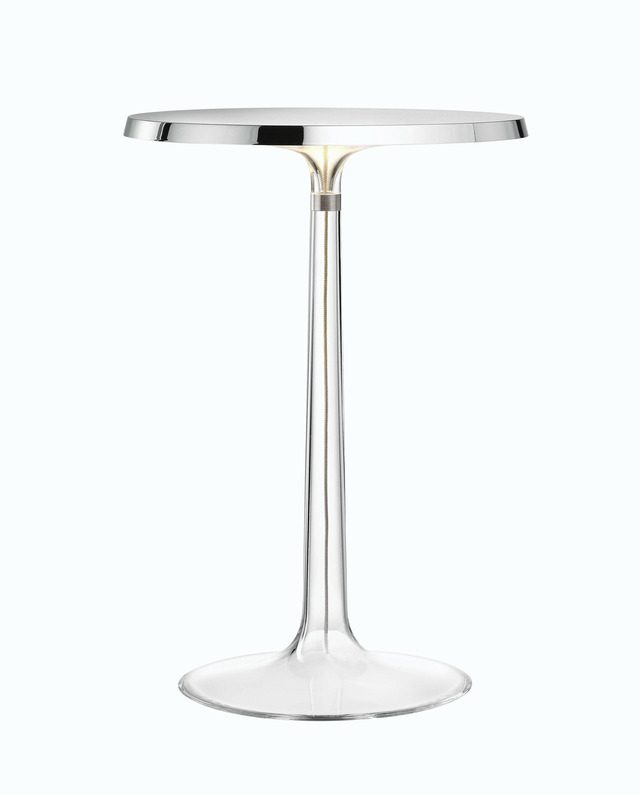
Philippe Starck concealed the technology inside the object. The LED, light diffuser and electronic components remain hidden behind an exceptionally clean form. The user sees a calm, understandable object rather than a complex engineering structure. The object fits naturally into an interior.
The ability to make complex technology unobtrusive later became one of the defining features of the modern European school of lighting design.
Bon Jour: minimalism that can change
Bon Jour became one of Philippe Starck's most successful works for Flos.
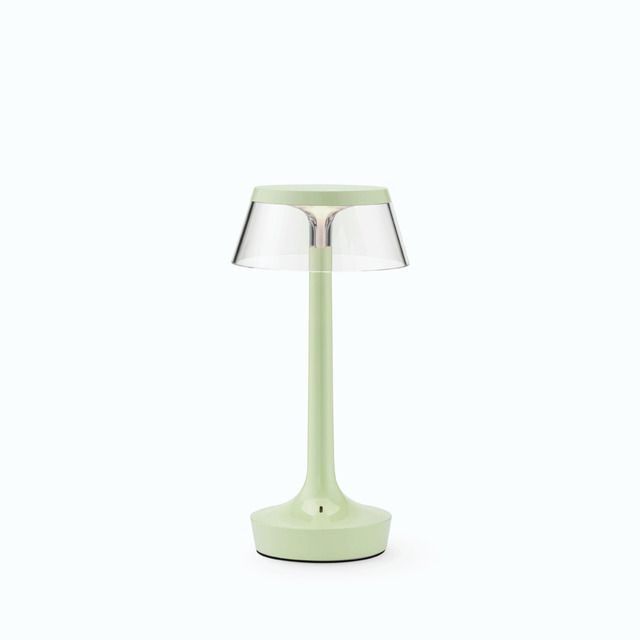
The construction appears almost elementary at first glance, with a transparent base and a lightweight cylindrical shade. Bon Jour contains complex engineering behind its simple appearance. The light is distributed evenly, sharp shadows are absent and interchangeable diffusers allow the lighting character to suit different interiors.
Philippe Starck proposed a system that changes with the space instead of creating one fixed object. The approach was unusual for the decorative lighting market and quickly made Bon Jour one of the most recognisable Flos models.
Guns Collection: an object that prompts reflection
Guns Collection reveals another side of Philippe Starck's design approach, while Bon Jour demonstrates restraint.
The table lamp bases take the forms of automatic weapons, pistols and rifles covered in a gold-coloured finish. The contrast between the luxurious finish and the forms of weapons turns each object into a social statement.
Philippe Starck explained Guns Collection as a reflection on how much humanity spends on armaments compared with investment in education and culture.
Guns Collection remains one of the most discussed Flos collections years after its debut. The collection shows that industrial design can become part of public debate.
Miss K and KTribe: a new view of classic forms
Philippe Starck has never sought to reject familiar archetypes while working with Flos.
Philippe Starck studied traditional forms closely and proposed contemporary interpretations of those forms.
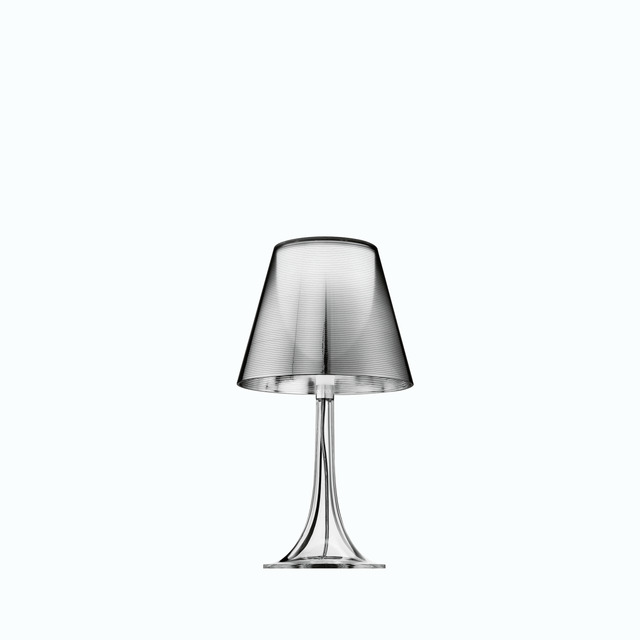
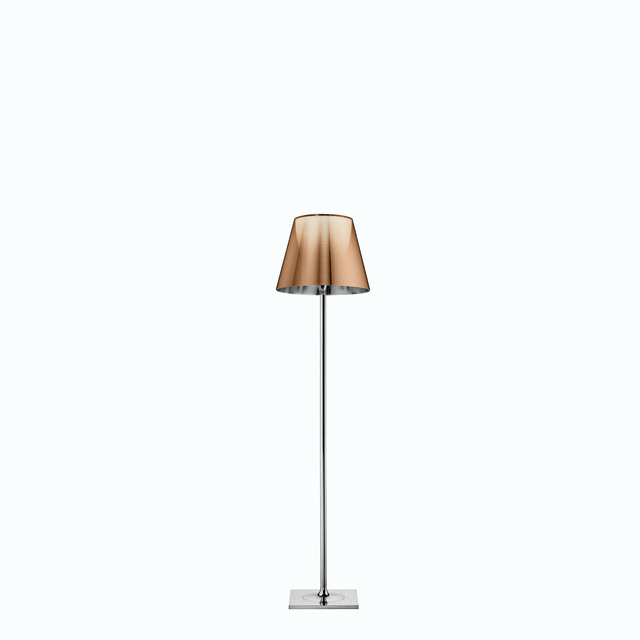
Miss K and later KTribe emerged from that approach. The collections give the classic table lamp silhouette a new character through transparent polymers, layered diffusers and unusual light effects inside the body.
Miss K and KTribe connect tradition with contemporary technology. The collections show that innovation does not require a radical rejection of familiar forms.
Why the collaboration has continued for decades
The product design industry rarely sees creative partnerships that last so long. Most collaborations end after several successful collections. The Flos and Philippe Starck partnership has lasted for more than three decades.
The reason is simple: Flos and Philippe Starck share a worldview rather than a style.
Flos and Philippe Starck view design as a tool for improving quality of life, not as a way to display the owner's status. Each new model therefore appears only when the model can offer a genuinely new solution.
Flos currently lists around fifteen collections created by Philippe Starck, and many collections remain in production years after their debut. The longevity of the ideas represents a rare achievement in product design.
A legacy that continues to work
Philippe Starck often says that designers should not create beautiful things. Philippe Starck believes that designers should create honest things.
The idea describes the collaboration with Flos particularly well. The collaboration does not seek to surprise people with unusual form for its own sake. Each object begins with a question: how will a space change when the light appears in it?
Starck lighting remains relevant through changes in interior trends. Starck lighting is not tied to fashion because the designs focus on human habits, emotions and everyday routines rather than decorative effects.
The focus on human use may explain the durability of the designs. Good design does not require constant attention. Good design becomes such a natural part of a space that imagining the interior without the design eventually becomes impossible.
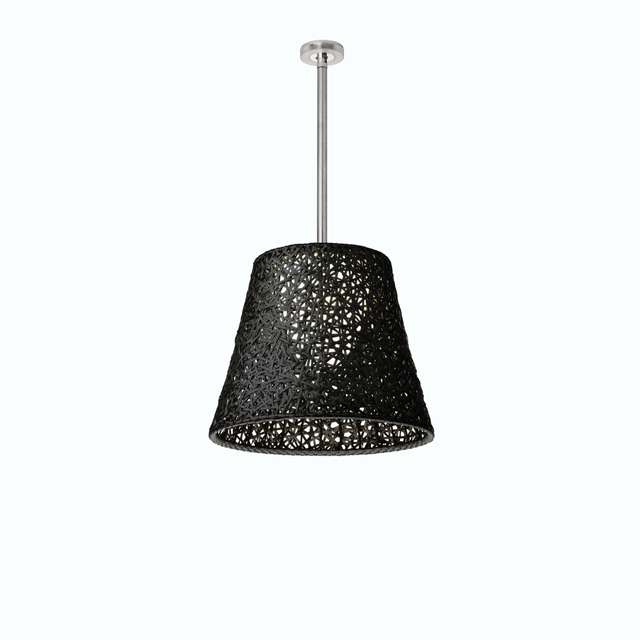
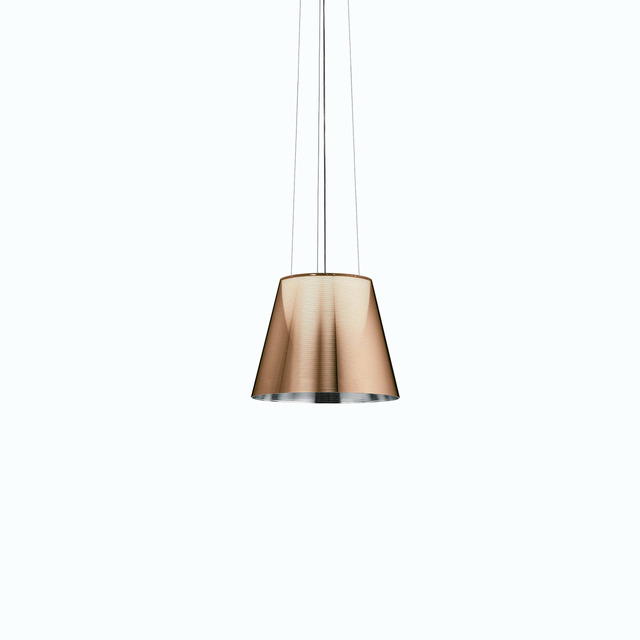
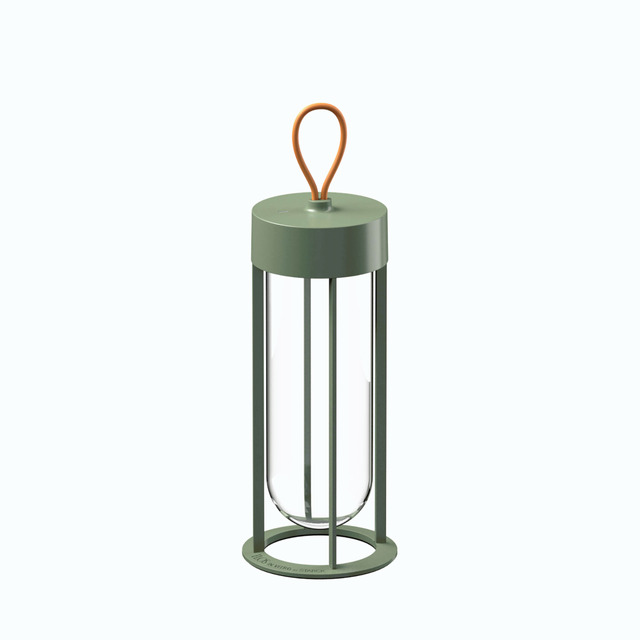
Philippe Starck pieces
Looking for the right Italian furniture?
Antonovych Home advises on collections, availability, configurations and current offers.