
The Architecture of Light: When a Lamp Becomes Spatial Structure
Modern architecture increasingly treats light as a material. Lighting fixtures are no longer accessories, because lighting fixtures form part of architectural logic, shape perception, direct emotion and establish spatial rhythm. Czech brand Booma was among the first brands to work with this philosophy. Booma products focus on structure rather than decoration. Booma lighting builds space in the same way as concrete and glass.
Light as Architecture
Booma emerged at the intersection of engineering and art. Brand founder Tomas Subert, an engineer by training, viewed light as architectural matter rather than a tool. Booma lighting often extends the form of a room, because Booma fixtures establish lines, set rhythm and divide volume into meaningful zones.
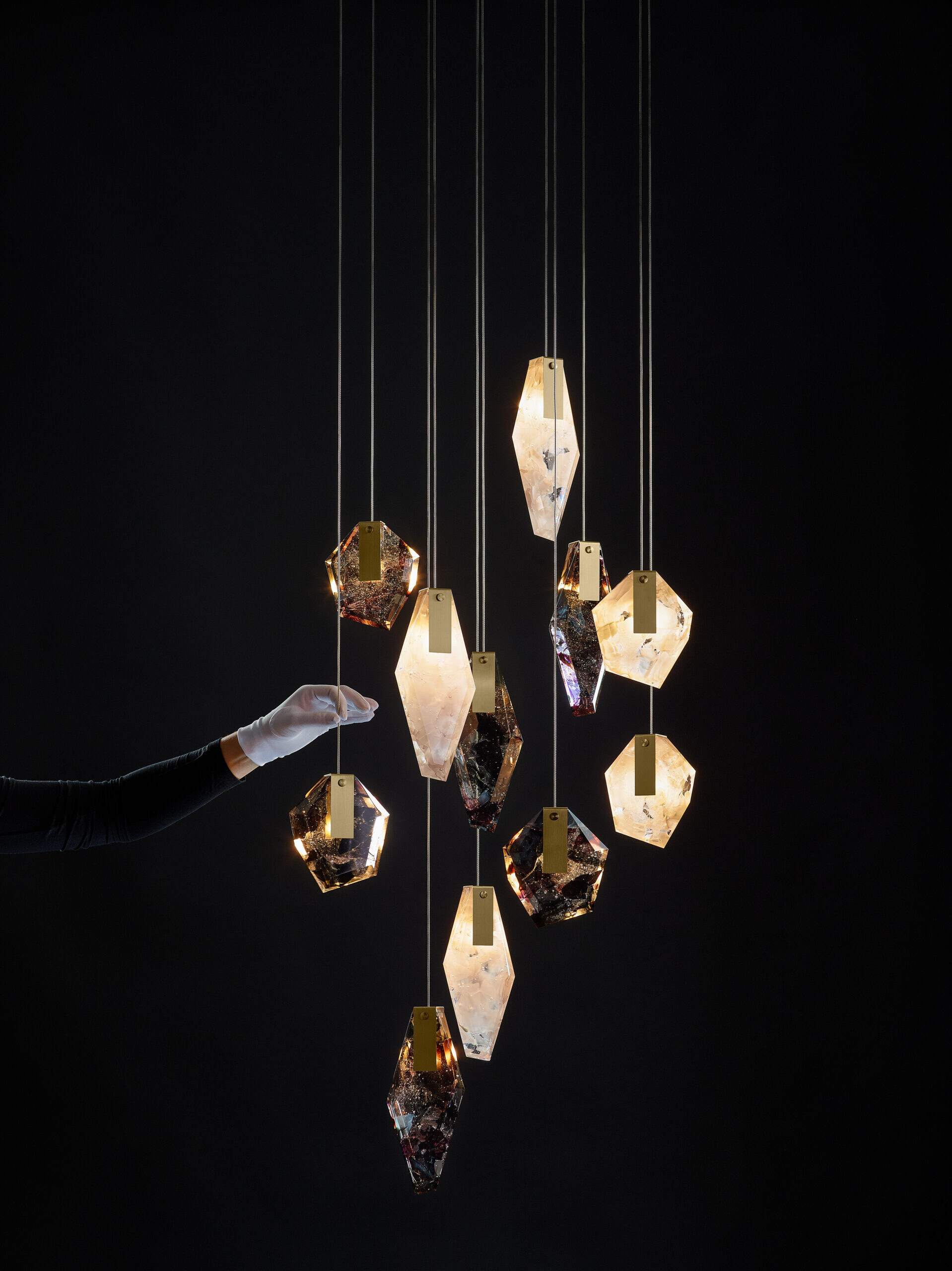
According to Lighting Europe (2024), 78% of architects say specialised lighting systems allow architects to “build space with light rather than simply illuminate space”.
Dmitry Korotchuk, director of Antonovych Home showroom, says:
“Booma treats light as a material. Antonovych Home uses Booma lighting for architectural rhythm rather than visual effect. Axis and Linear reveal a structure that emphasises the shape of a room rather than a conventional lamp.”
Intelligent Minimalism
Booma’s philosophy leaves no place for ornament. Each lighting fixture centres on the relationship between form and luminous flux. Booma minimalism combines visual simplicity with engineering precision.
According to the Dezeen Lighting Report, demand for “invisible light” in premium interiors grew by 62%.
Control Over Shadow
Booma designs shadow as well as light. Shadow creates architectural depth, and Booma works with shadow deliberately.
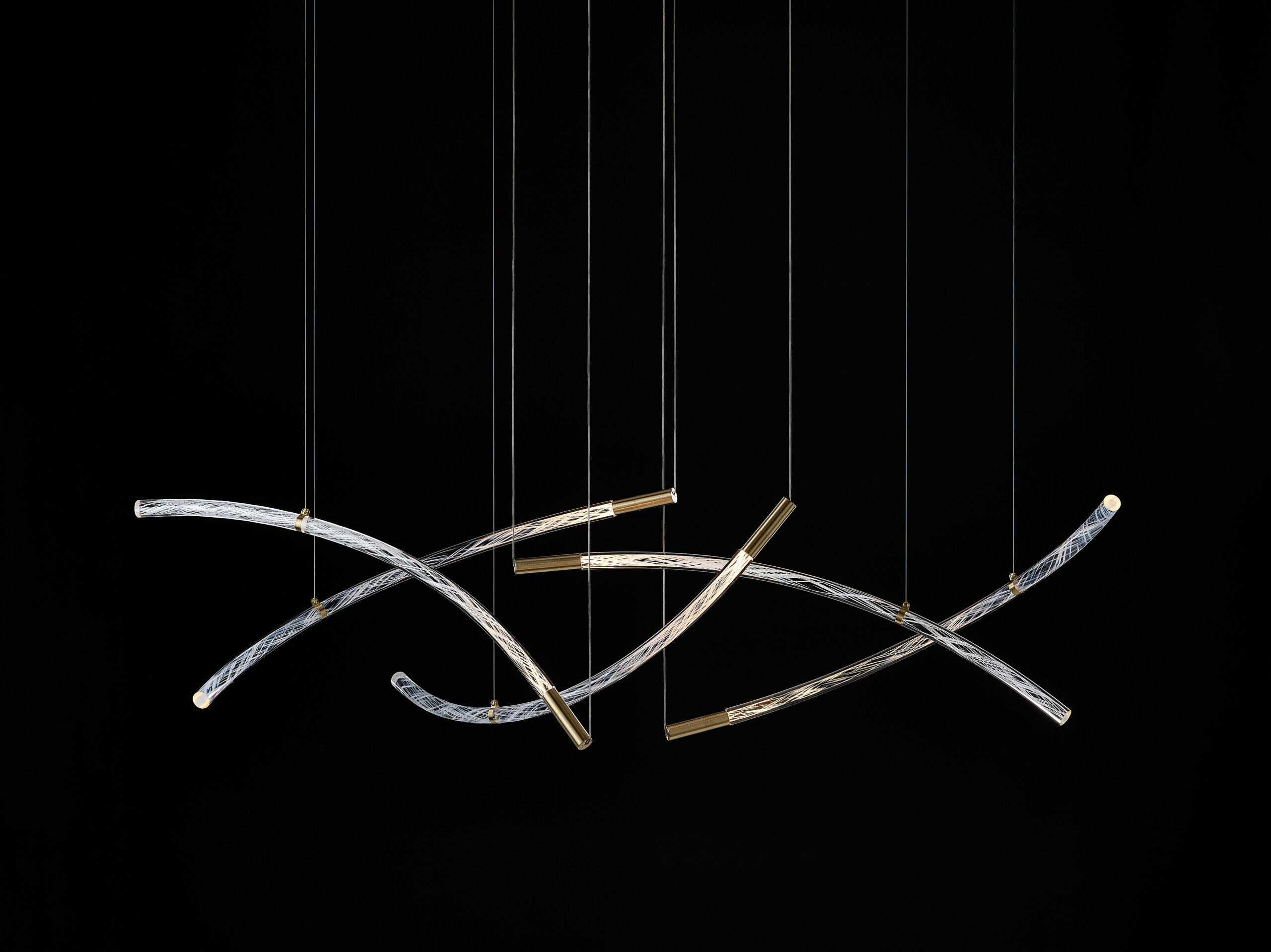
Booma Linear 1200 can create soft contours that produce the impression of sliding light.
Booma production uses technology that measures contrast distribution. Booma engineers assess how shadow falls across a surface rather than measuring only the lumen output of a fixture.
Booma shares this approach with brands such as Kreon and Flos Architectural, where light and dark rhythm matters more than brightness.
Light as Emotion
Booma often works in hotels and galleries, where atmosphere determines the experience.
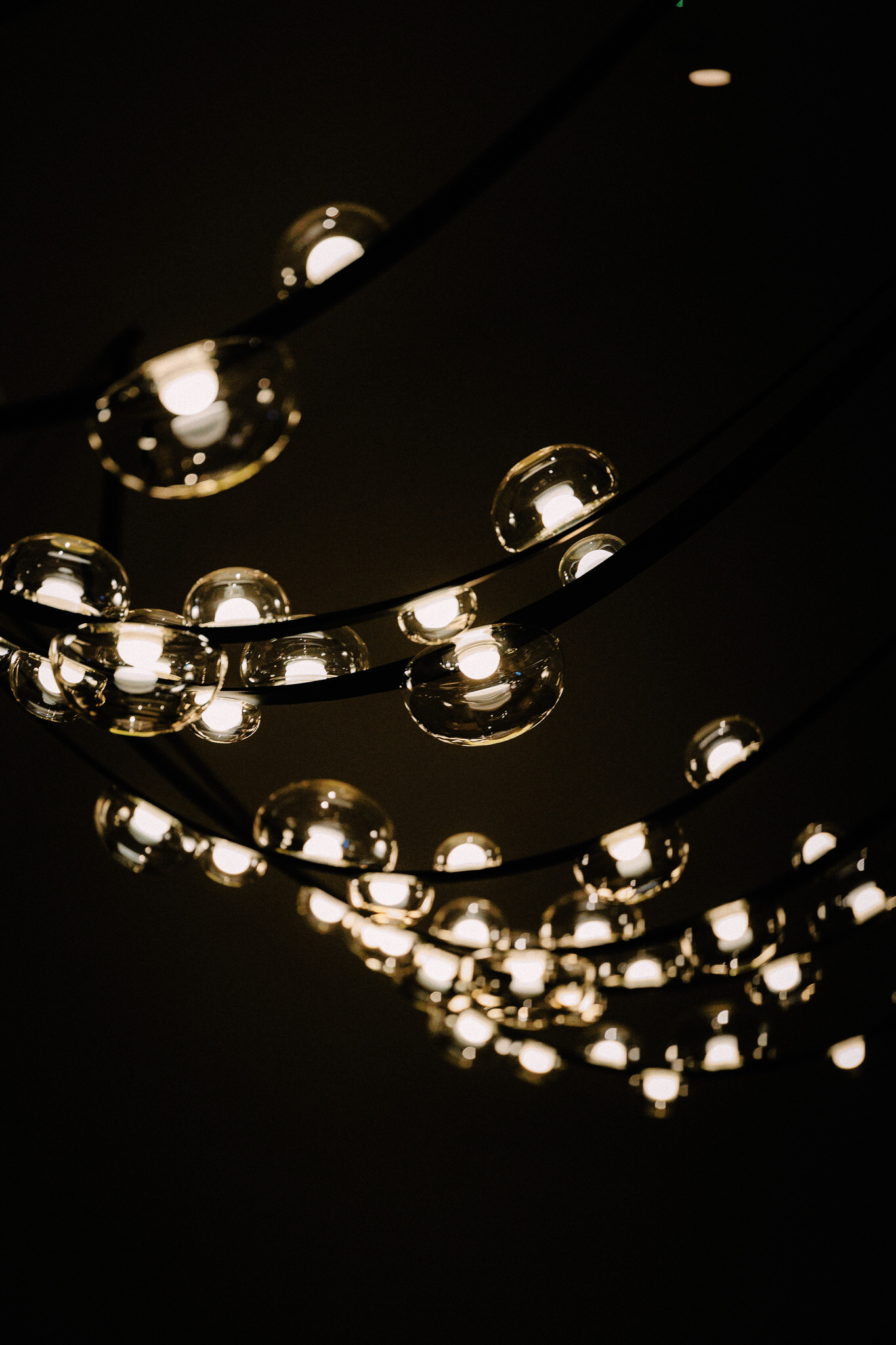
Booma Tube appears in Falkensteiner Hotels and Marriott Prague interiors, where Booma Tube creates soft pools of light that recall a theatrical spotlight.
According to a Hospitality Design study (2023), warm light at 2700, 3000K increases the sense of comfort by 21%. These parameters underpin most Booma collections.
Dmitry Korotchuk says:
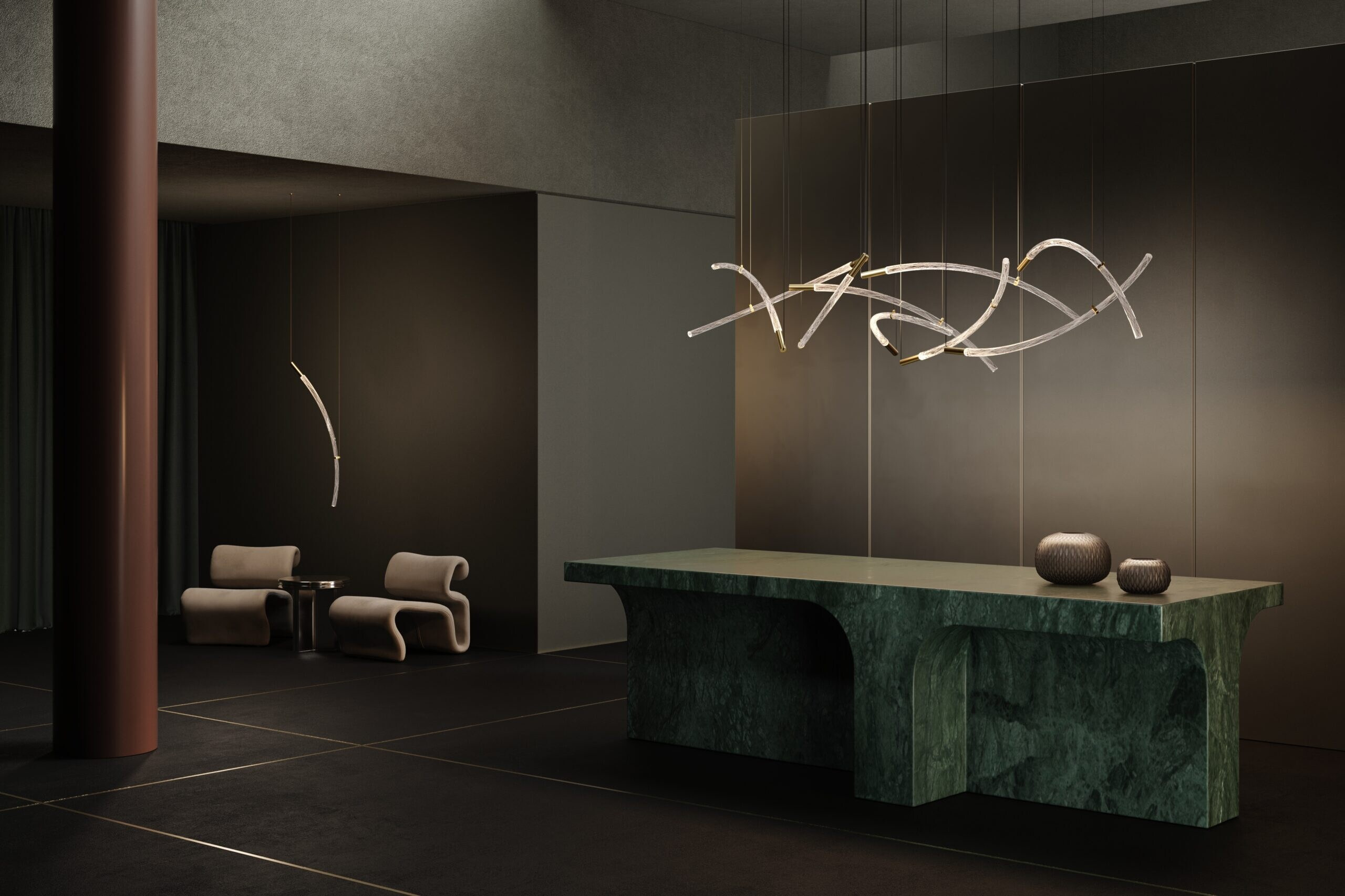
“When Antonovych Home designs private apartments, Tube becomes a tool for creating emotion. Tube makes the air feel dense and almost tactile. Tube provides spatial direction rather than simple illumination.”
Sustainability and Durability
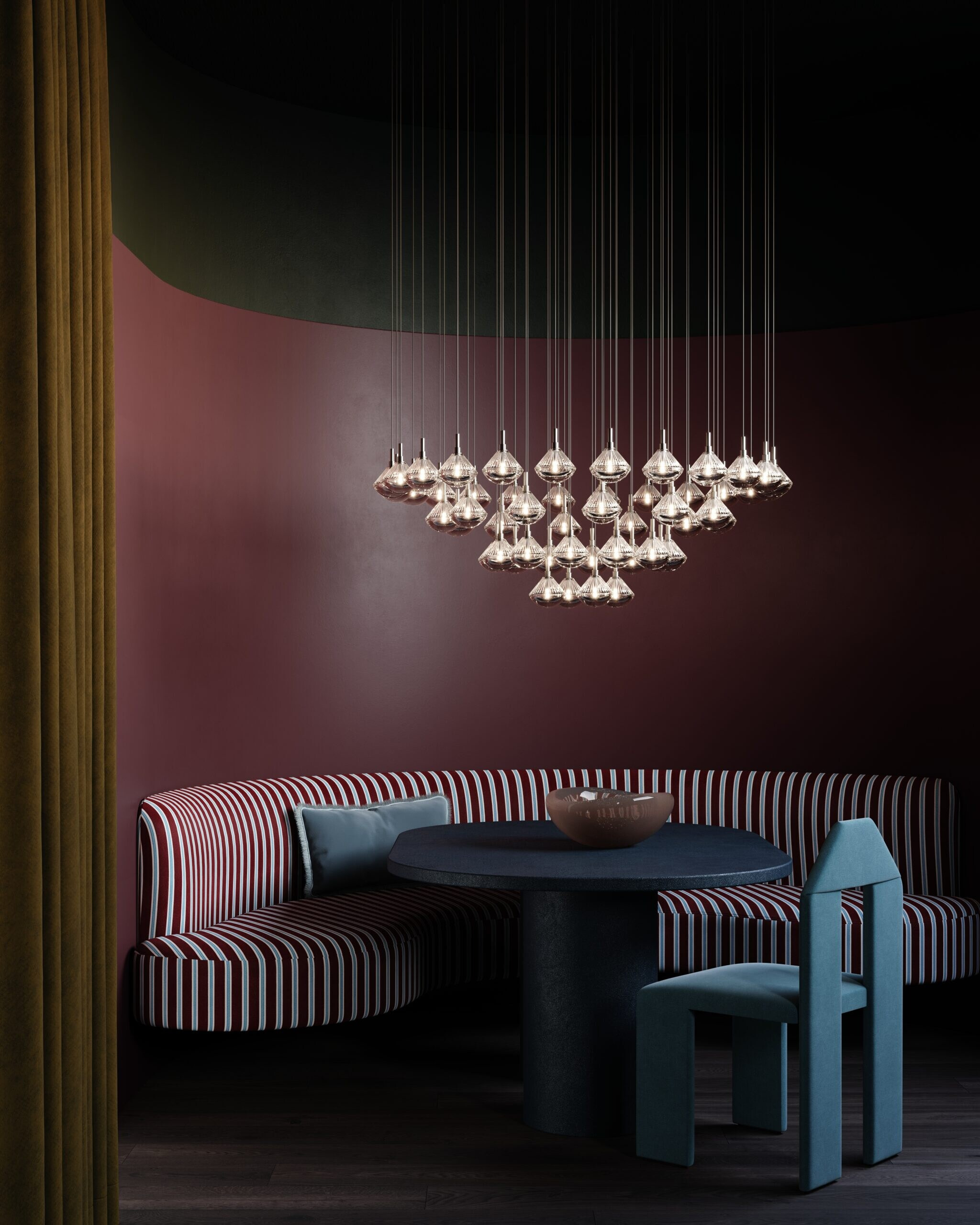
For Booma, sustainability is a standard rather than a marketing message. Booma produces housings from recycled aluminium and uses biodegradable cardboard for packaging. Booma LED light sources have an average service life of 50,000 hours, equal to approximately 17 years under standard use.
Booma Vega, recognised by the Czech Grand Design 2023 award, demonstrates that energy efficiency and aesthetics can work together.
Technology and Craftsmanship
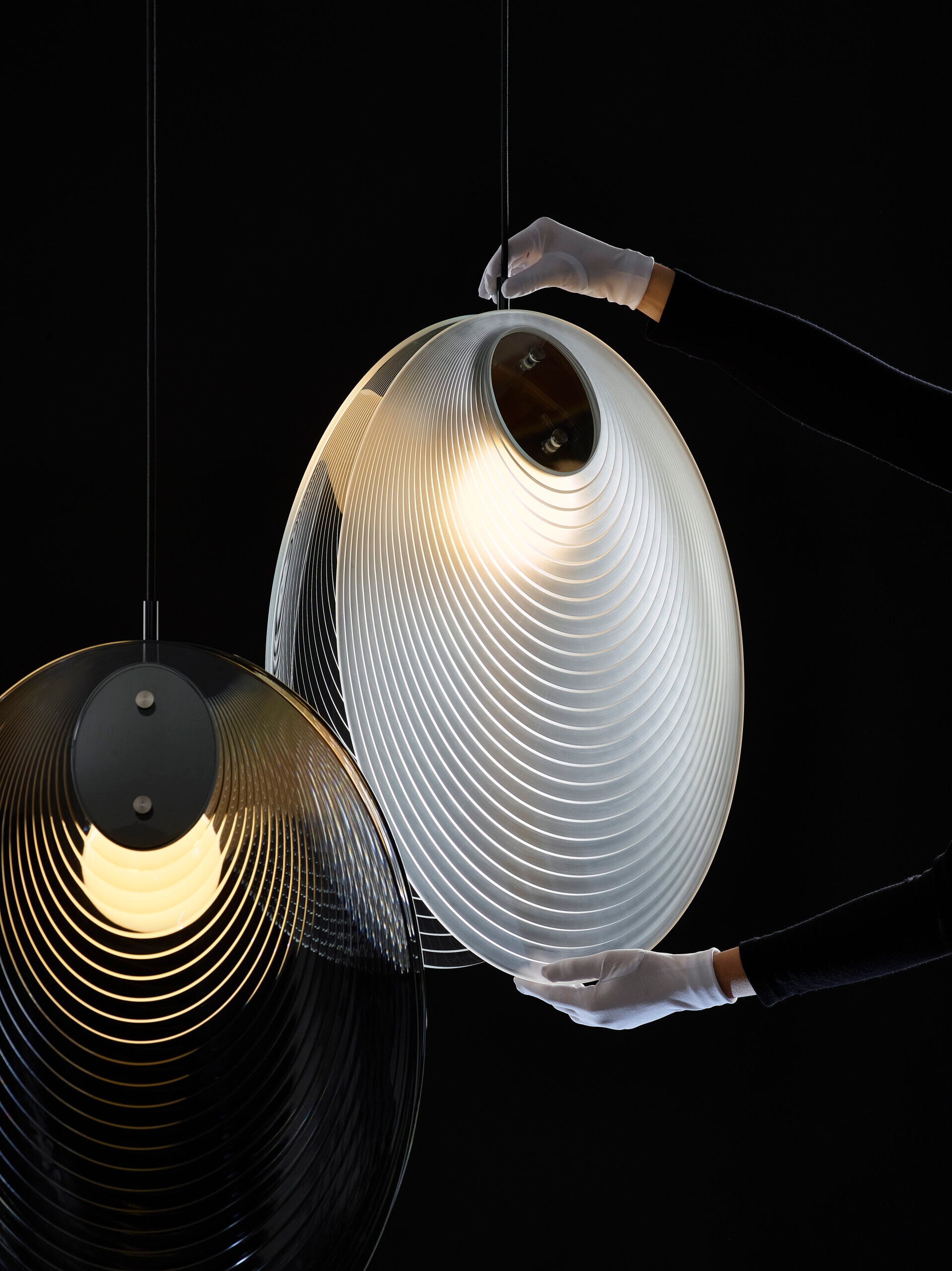
Each Booma lighting fixture is assembled by hand at the Booma production facility in Brno. Booma engineers check light output and housing acoustics to prevent metal vibration caused by heat.
Booma Mono demonstrates this engineering approach through a clean form, precise texture and no visible assembly marks.
Svetlana Antonovych comments:
“Booma products show that the result reflects handwork and attention rather than a purely industrial process. Booma lighting behaves like furniture, because each fixture has character.”
The Aesthetics of Recessed Light
Modern architecture seeks seamless integration. Booma Recessed Line systems create a soft light contour while keeping the light source out of view.
According to ArchDaily Lighting Trends (2024), demand for recessed solutions grew by 43%. Booma now works actively with architectural practices in Eastern Europe and Scandinavia.
Light as a Designer’s Language
Booma gives architects a language for discussing form. Light can illuminate a space and organise a space.
“Booma gives me a tool for honest light,” Svetlana Antonovych adds. “Booma lighting does not distract, because Booma lighting creates emphasis. Booma lighting resembles a pause in music, because restraint makes a space expressive.”
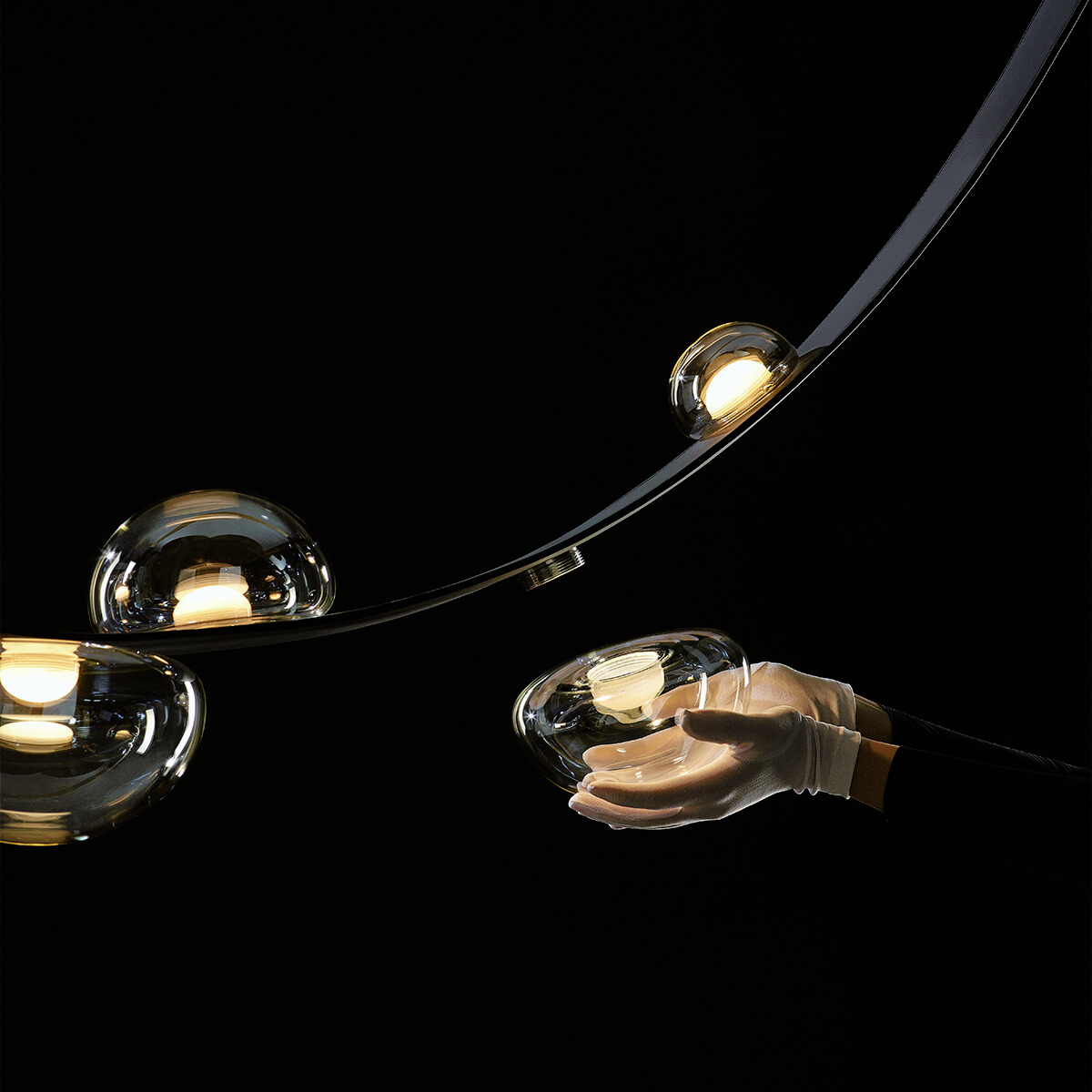
Booma has turned light into an architectural material. Booma’s philosophy is closer to architecture than to object design.
In an architect’s hands, Booma lighting becomes a building tool, like concrete, glass and a line in a drawing.
Booma does not simply make an interior more comfortable, because Booma makes an interior more intelligent.
More architects may therefore choose the structure of light created by Booma rather than conventional lighting fixtures.