
There Are Designer Novelties, and Then There Is BROKIS
Thousands of new decorative lighting models enter the global market every year. Most disappear from catalogues after a few seasons. Some objects remain in production for ten, fifteen or more years, not because designers have stopped creating new ideas, but because the objects have become part of design history. Over two decades, the Czech brand BROKIS has created objects of this kind. Antonovych Home selected five models that changed perceptions of contemporary decorative lighting and remain reference points for architects and interior designers.
When entrepreneur Jan Rabel founded BROKIS in 2006, major European manufacturers already dominated the designer lighting market. Competing with Italian brands that had shaped interior fashion for decades seemed almost impossible. BROKIS chose handcrafting with Bohemian glass instead of competing through the number of collections.
Today, BROKIS produces lighting at its own Janštejn Glassworks glassworks, whose history began in 1809. Glassblowers make every model by hand, and many glassblowers have worked at the factory for decades. Over twenty years, the brand has grown from a local producer into an international company with collections presented in more than 110 countries. Sales volume is not the only measure of success. Several BROKIS models have changed very little for many years and remain in demand for projects by leading architectural practices worldwide.
The light that needed no update for fifteen years
Fifteen years is almost an eternity in the interior industry. Most successful collections remain available for three to five seasons before manufacturers release updated versions or discontinue the models. Muffins is a rare exception.
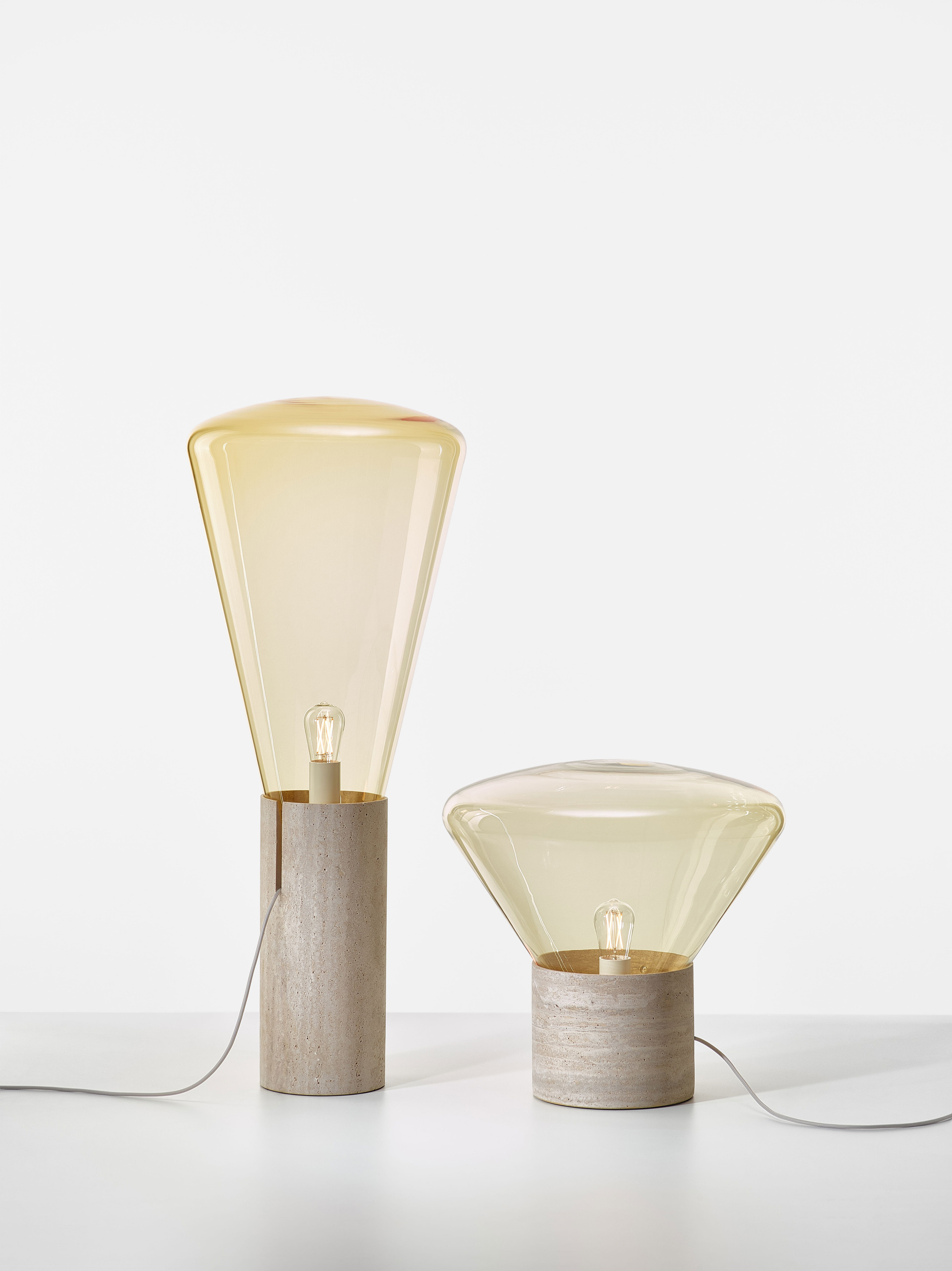
Lucy Kolodova and Dan Yeffet created the light, which was presented in 2010 and became BROKIS's first international hit. A large blown-glass shade measuring up to 530 mm in diameter sits on a solid natural wood base. The design changed familiar ideas about decorative lighting. The designers replaced a light glass form with an almost architectural object that can organise the space around it.
Fifteen years later, the company has kept Muffins in production and released an anniversary series with an Italian travertine base. The anniversary series demonstrates the model's status. Muffins remains one of the most recognisable BROKIS collections and regularly appears in private residences, five-star hotels and formal public spaces.
Knot, when engineering becomes art
Knot may first appear to owe its popularity to the unusual combination of glass and braided rope. Engineering complexity made the collection one of the most discussed designs among professionals.
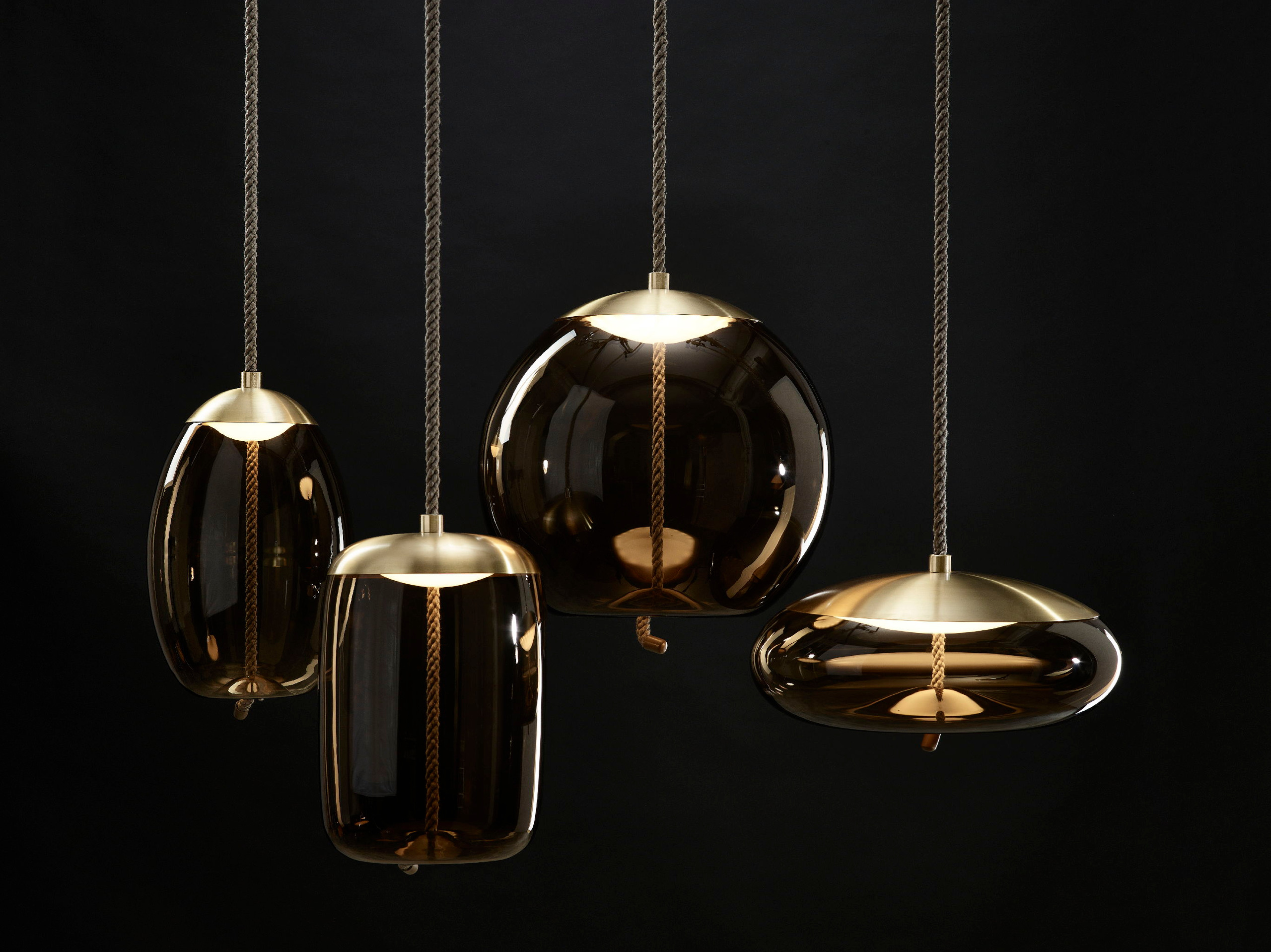
Chiaramonte Marin designed a construction in which a thick textile cord passes through a single glass shade and serves both decorative and structural functions. BROKIS engineers needed exceptional production accuracy to realise the idea. Even a minimal dimensional deviation could create stress in the glass and cause a defective product.
Knot cannot be viewed as another decorative light. Knot demonstrates how modern technology and traditional glassblowing can work together. International reviews of notable interior design objects have included the collection several times. Knot remains in demand for projects where light becomes an independent architectural accent.
Balloons, the light that made Lucy Kolodova a global design star
BROKIS's history is closely connected with Lucy Kolodova. Lucy Kolodova served as the brand's art director for thirteen years and shaped the recognisable visual language associated with BROKIS worldwide.
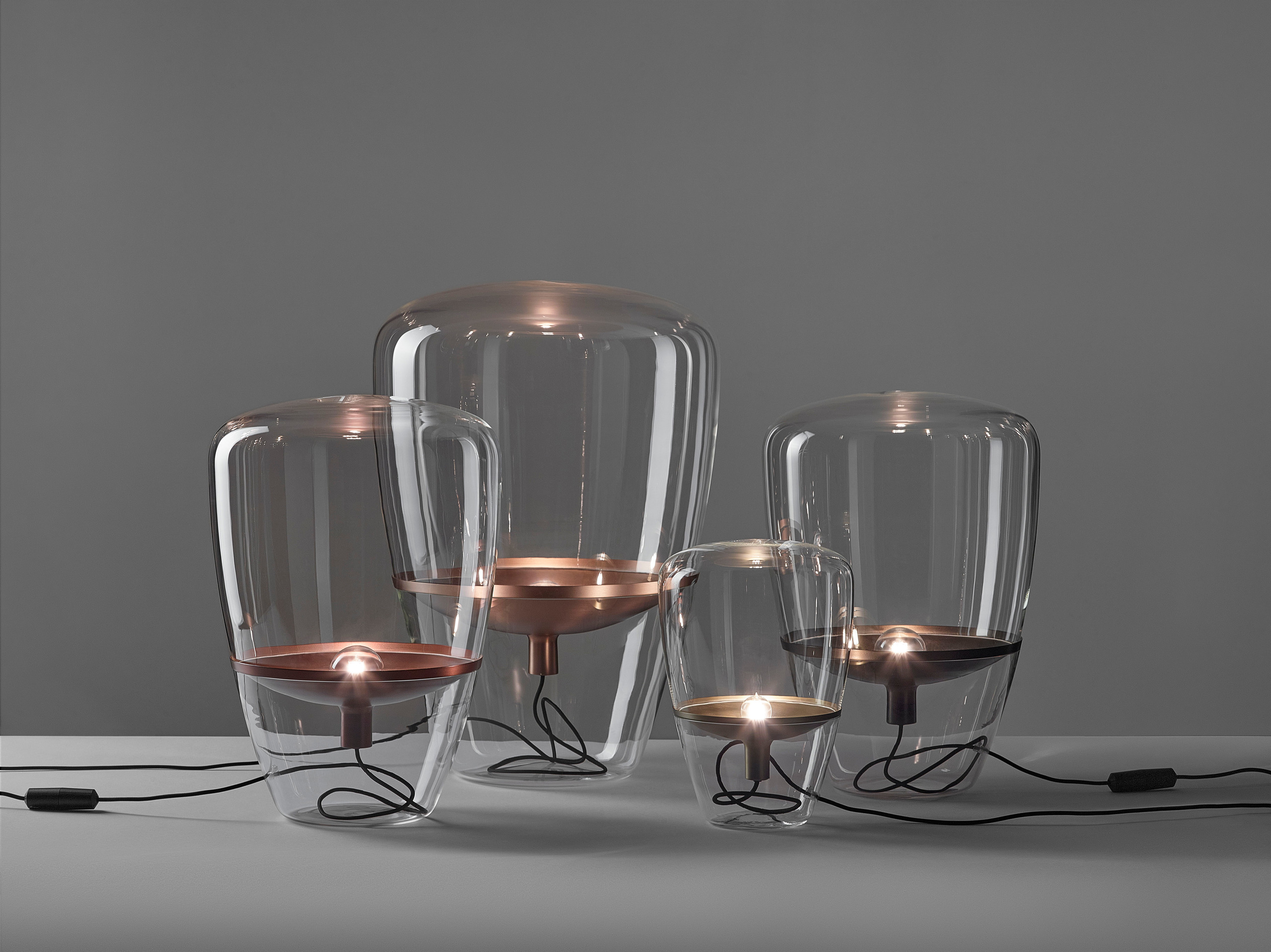
Balloons became one of the key works of that period. Air balloons inspired the designer, but the design does not copy an balloon's form literally. A complex glass composition makes the light source appear to dissolve inside a perfectly transparent volume.
Glassblowers handblow every Balloons shade, so no two products are completely identical. Slight differences in glass thickness, colour and light diffusion are not defects. Slight differences confirm the handmade production process. Each model therefore becomes practically unique.
Memory, the light that proved emotions can also become design objects
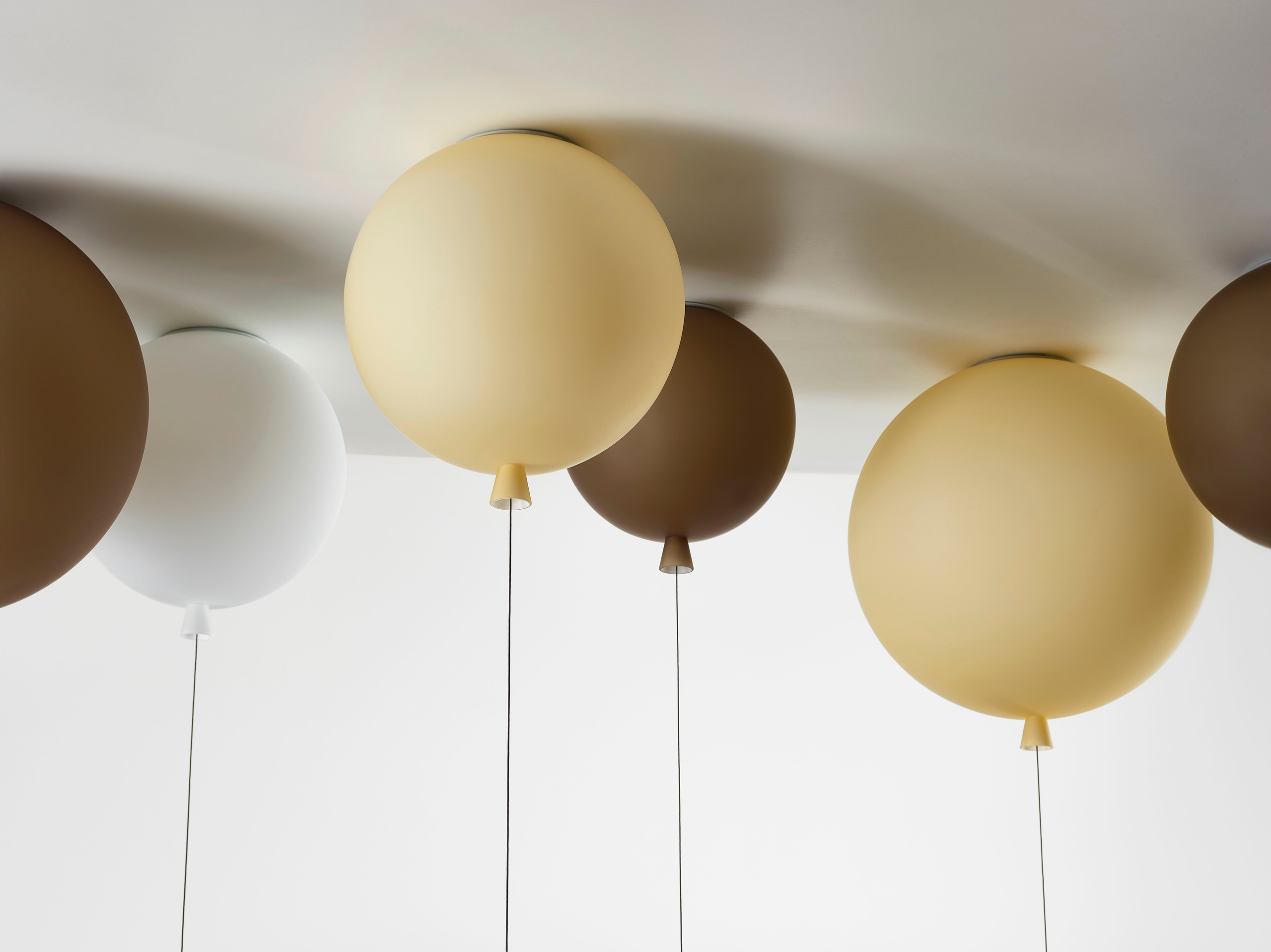
When the Memory collection appeared in the BROKIS catalogue, many people viewed the design as a beautiful designer joke. The light resembles an air balloon forgotten beneath the ceiling after a celebration. The long cord also serves as the switch and strengthens the illusion of a real balloon.
Memory demonstrated how attitudes to decorative lighting have changed. Architects now use Memory in more than children's rooms. Memory appears in boutique hotels, private residences, restaurants, galleries and public spaces where interiors depend on emotions as well as aesthetics.
The collection's distinctive quality is its apparent simplicity. A complex handblown-glass process was required to create an extremely thin shade and maintain even light distribution. The result is an object that has remained relevant for more than ten years and has changed very little since its first presentation.
Memory shows that a cult design does not need to be a complex engineering object. A single idea can become timeless when the idea is executed with sufficient precision.
Mona, minimalism that cannot be replicated without expertise
The most complex design solutions rarely look complex. That quality explains the success of the Mona collection, created by Lucy Kolodova.
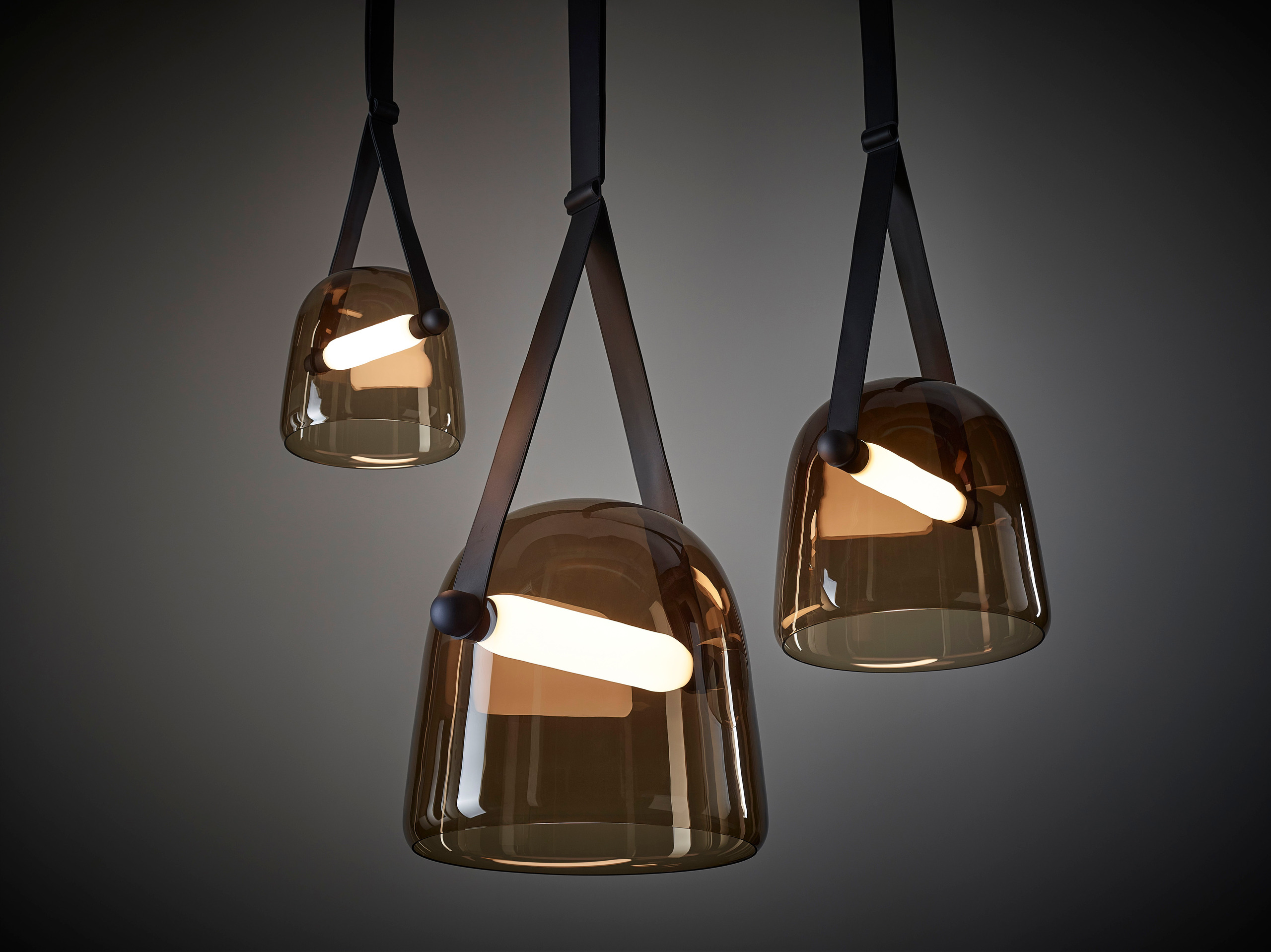
Mona may first appear almost elementary, with an elongated glass shade and a light module inside. BROKIS's main engineering achievement lies inside the simple construction. The light source passes through the glass volume without visually disrupting its integrity. BROKIS achieved the effect through a proprietary technology for joining glass elements and highly precise hand assembly.
Minimalism remains one of the most requested directions in interior design. Few objects retain strong visual character without decorative devices. Mona proves that a pure form requires considerably more expertise than complex decoration.
Mona regularly appears in contemporary residence projects where architecture and interiors are built around light, proportions and materials rather than striking details.
Why iconic objects never appear by chance
BROKIS's history shows that none of the brand's best-known models was created as a commercial hit. Each model offered a new view of a familiar object.
Muffins changed the scale of decorative lighting.
Knot united artistic glass with an engineering construction.
Balloons turned glass into an emotional sculpture.
Memory proved that a light can make people smile before the light is switched on.
Mona showed how expressive minimalism can be.
Over twenty years, the company has released dozens of collections. These five models established BROKIS's recognisable signature. The models remain in production not because the brand fears change. The models remain in production because the designs proved stronger than fashion.
Antonovych Home director Dmytro Korotchuk notes that the premium interiors market has changed significantly.
“Ten years ago, clients often asked about the latest exhibition launches. Today, the question sounds different: which objects will remain current in ten or fifteen years? Interest in BROKIS continues to grow for that reason. These lights do not require annual updates. These lights become part of interior architecture and retain their value despite changing trends.”
That quality may be the main difference between truly outstanding design and a short-lived trend. Outstanding design does not try to impress people on the first day after presentation. Outstanding design remains current after dozens of other collections have disappeared from catalogues.
There are designer novelties, and then there is BROKIS.
.