
Designer and Factory Collaborations: From Piero Lissoni to Carlo Colombo
In luxury interior design, the decisive factor is not an individual piece but the system of values behind the brand. Long-term collaborations between factories and leading designers create lasting identity, commercial stability and professional trust. Italian brands maintain decades-long relationships with the same authors because these partnerships influence the market and define the curatorial approach of Antonovych Home.
Collaboration as the foundation of brand identity
Modern luxury design has moved beyond the anonymous product model. According to the Politecnico di Milano study Design & Brand Identity Report, factories working with permanent designers or a limited group of authors demonstrate 20, 25% higher recognition among architects and interior designers than brands that change designers from one collection to the next.
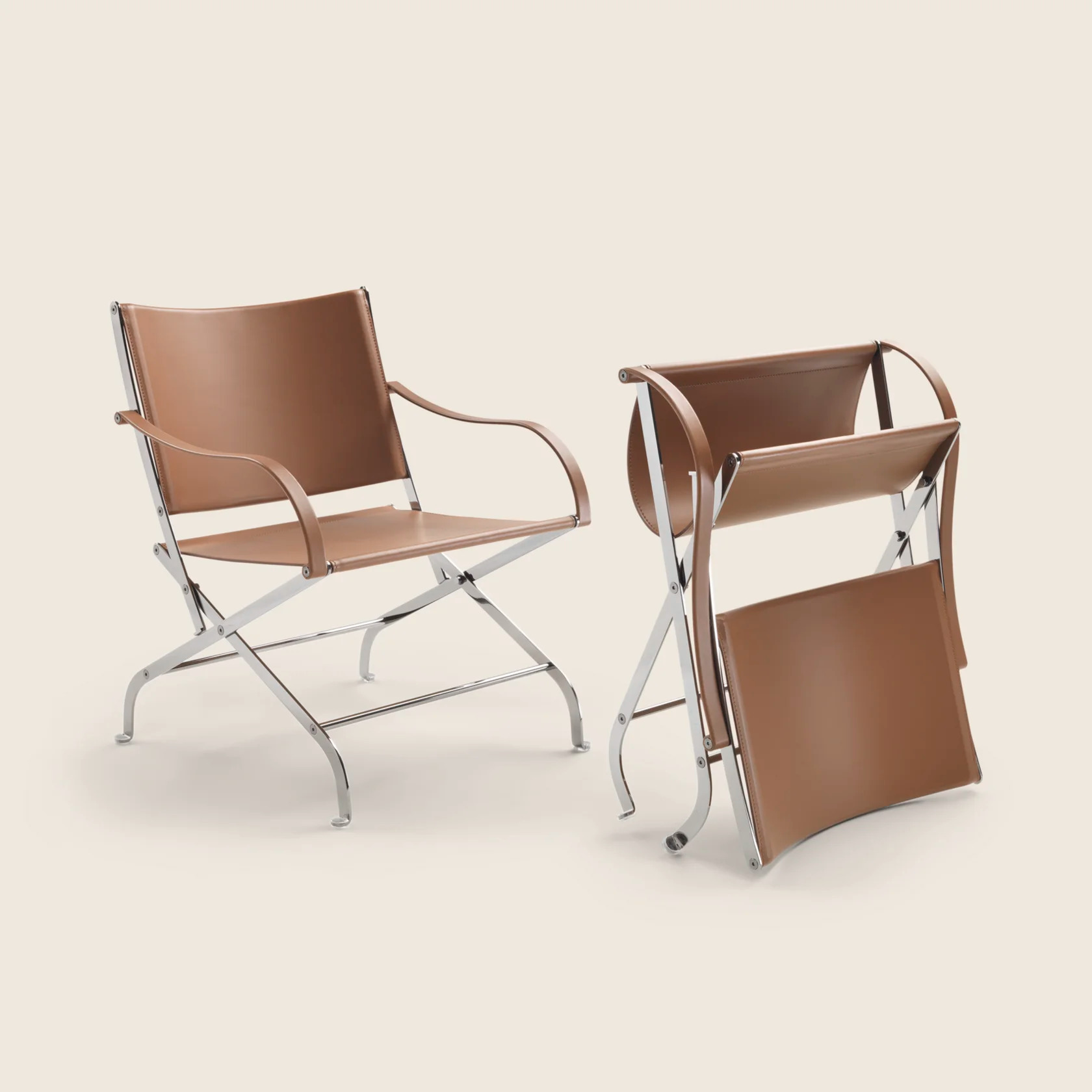
Collaboration in this context is not a marketing gesture but a strategic partnership. A designer shapes the form and the brand philosophy, including its approach to materials, space, comfort and time. The designer becomes the carrier of the factory's DNA.
Dmitry Korotchuk, Director of Antonovych Home:
«A recognisable face is essential for every brand we select. A long-term factory and designer partnership can always be read in the proportions, the logic of the products and the way the products live within an interior.»
Piero Lissoni: architectural restraint as a strategy
Piero Lissoni trained as an architect, and that background defines his role in the industry. According to the ADI Design Index, Lissoni's projects remain in production for more than 10 years more often than other projects, creating enduring product lines rather than seasonal collections.
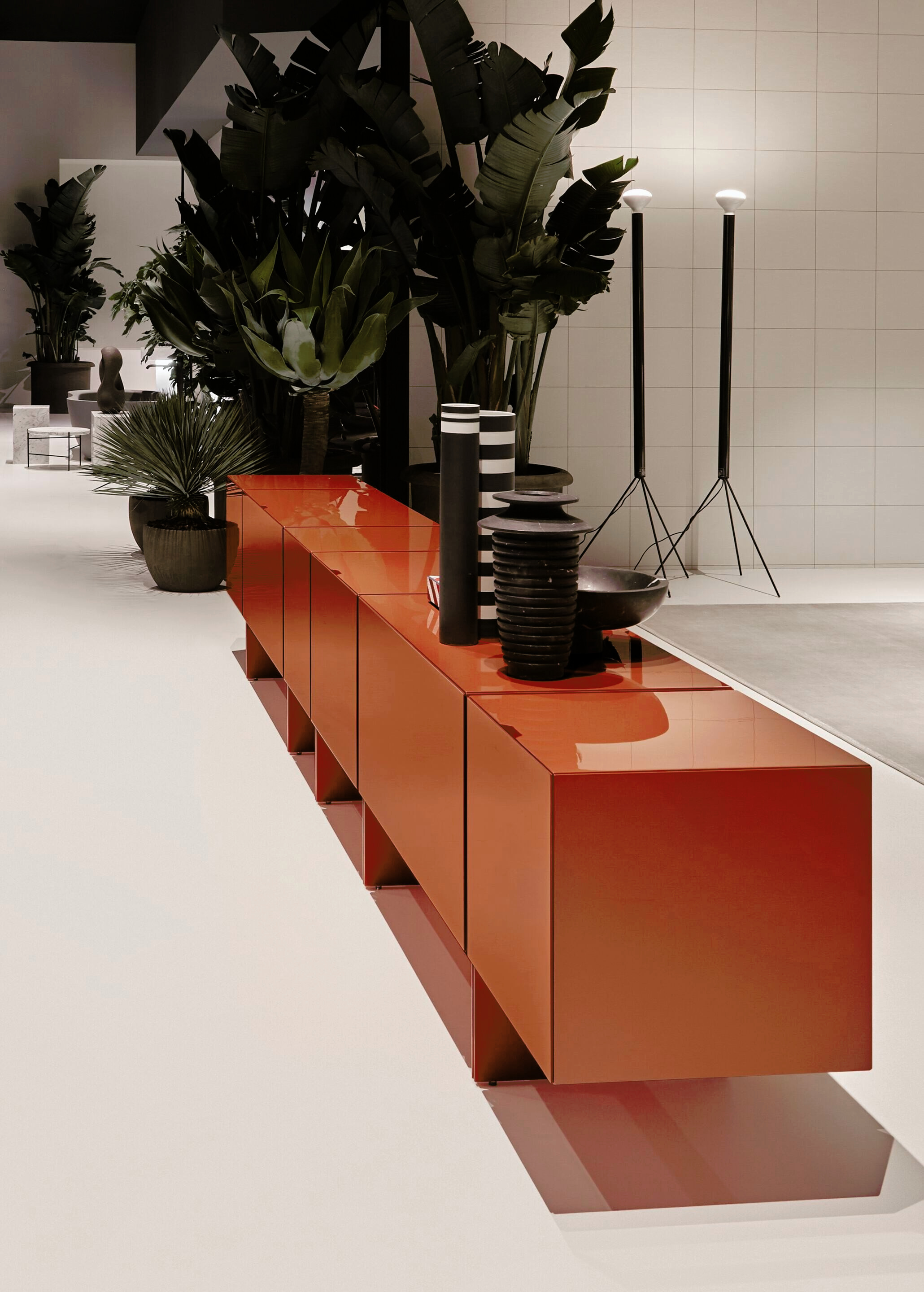
In his collaboration with Flexform, Lissoni develops a language of architectural minimalism based on proportion, rhythm and visual balance. Flexform therefore consistently ranks among the Top 5 most specified brands in the private luxury residences segment in Europe because the furniture integrates easily into complex architectural spaces without competing with them.
Dmitry Korotchuk:
«Architects choose Lissoni. Lissoni's design does not impose form; Lissoni's design disciplines space. Flexform serves as a versatile tool for serious projects.»
Antonio Citterio: systematic design and the economics of time
Antonio Citterio represents a design model focused on longevity. The European Furniture Lifecycle Study reports that products created by Citterio have one of the lowest rates of perceived obsolescence in the premium segment.
For factories, the approach means stable demand. For clients, the approach provides long-term value. For designers, the approach creates predictable results. Flexform collections express the approach through modularity, considered ergonomics and structural honesty, allowing interiors to be updated without completely replacing the furniture.
Dmitry Korotchuk:
«Citterio is not about an immediate effect. Clients with a 10, 15-year perspective choose Citterio because clients value calm, intelligent comfort.»
Carlo Colombo: technology as part of the aesthetic
Carlo Colombo belongs to a generation of designers for whom technology is a design language. According to Interior Design Magazine's Global Design Leaders Survey, Colombo ranks among the ten designers whose projects are used most often in luxury residences across Europe, the United States and the Middle East.
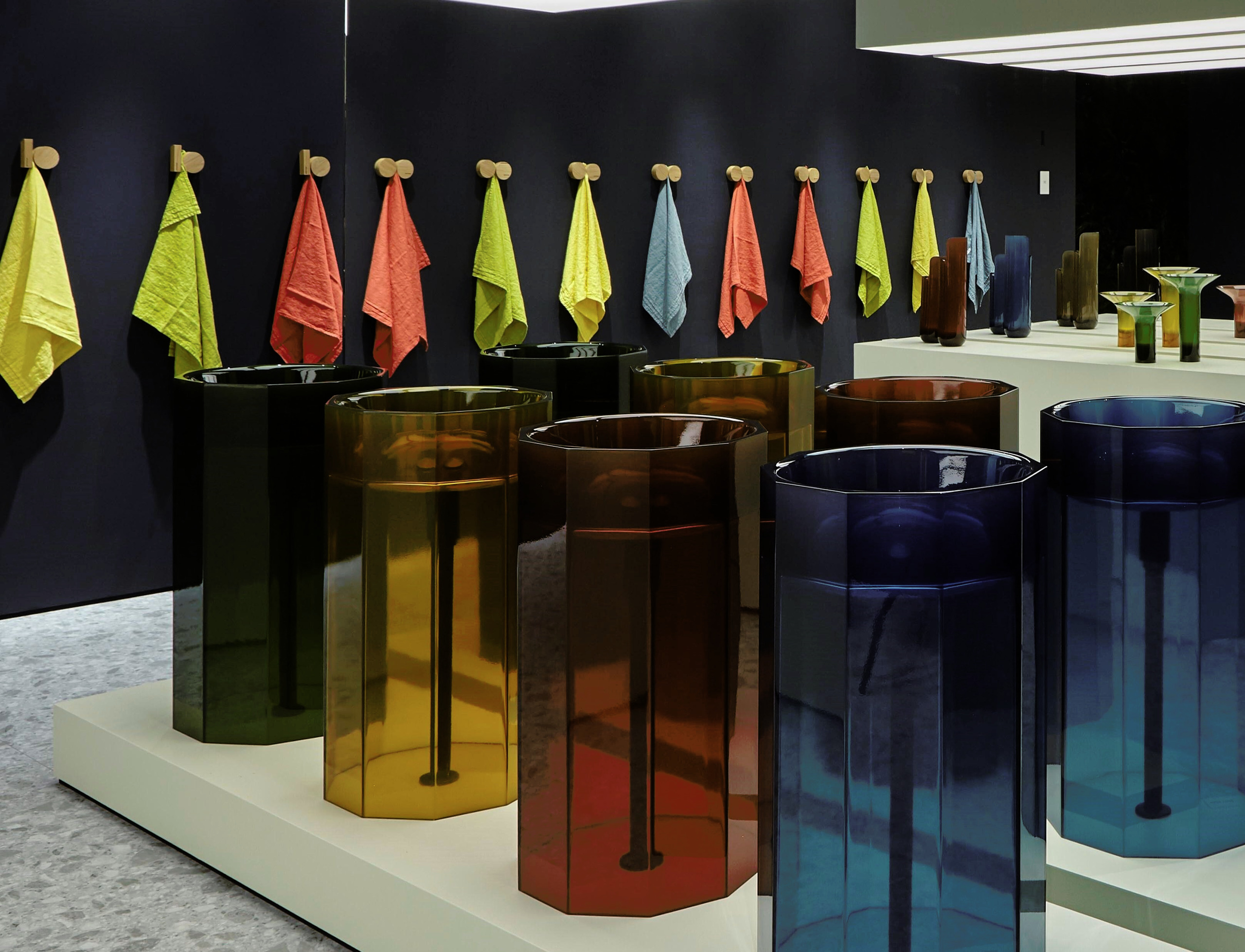
In collaborations with Antonio Lupi, Colombo reinterprets the bathroom as an architectural space. Monolithic volumes, integrated storage systems, concealed lighting and natural stone create zones comparable in importance to living spaces.
Dmitry Korotchuk:
«Antonio Lupi is a brand for architects. Colombo strengthens that identity because Colombo thinks in volumes and living scenarios rather than individual objects.»
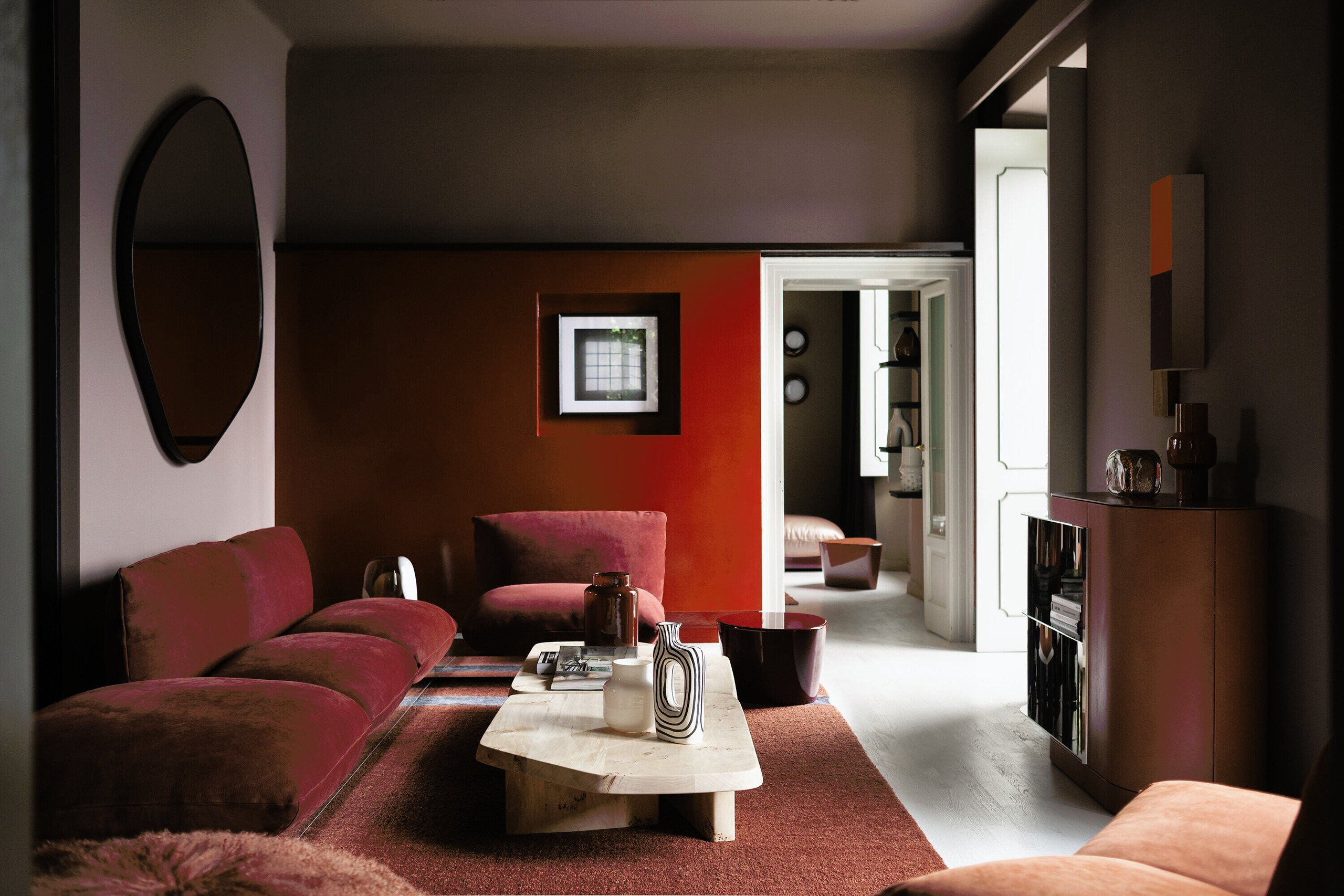
Baxter: emotion as a measurable value
Contrary to common stereotypes, emotional design has long been a measurable factor in the luxury segment. The Luxury Living Market Review reports that interiors with pronounced tactility and material depth demonstrate 32% higher client satisfaction than neutral minimalist spaces.
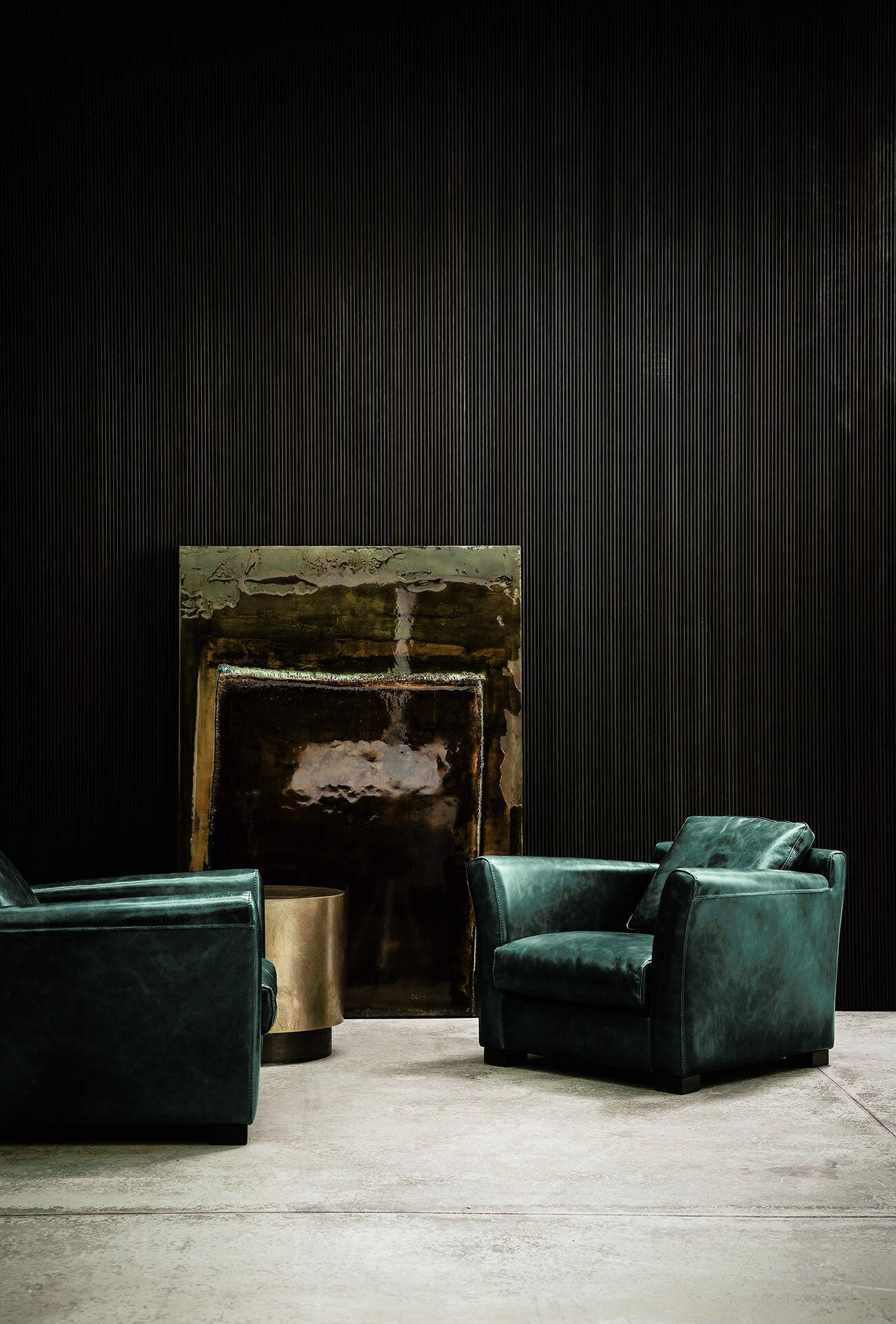
The Italian Furniture Export Observatory reports that Baxter ranks among the Top 10 Italian factories by upholstered furniture deliveries to private luxury projects, with more than 68% of orders involving custom and semi-custom solutions. The figure confirms demand for an emotional, author-led approach.
The IED Milano study Material Perception in Luxury Interiors also shows that natural leather with a “living” surface increases the subjective perception of a product's value by an average of 27%. Baxter also records one of the highest levels of appearance retention after 7, 10 years of use, a critical factor in the premium segment.
Dmitry Korotchuk:
«Baxter demonstrates how emotion can become a calculated decision. Baxter products most often become the centre of an interior and the elements that clients value over time.»
Why factories avoid short-term collaborations
According to the Milan Furniture Observatory, brands that change designers every 1, 2 seasons lose up to 18% of professional audience trust. Fragmented visual language and the absence of a coherent philosophy cause the loss.
Long-term collaboration allows a factory to develop products through evolution rather than follow trends chaotically. The approach matters particularly in the luxury segment.
Dmitry Korotchuk:
«Luxury design leaves no room for chance. A strong brand always represents a dialogue extended over time.»
Antonovych Home's curatorial approach
Antonovych Home builds its selection around ideological compatibility rather than breadth. Every showroom brand has a strong author and a clear design philosophy, reducing risks for architects and interior designers working on complex projects.
Dmitry Korotchuk:
«We select ideologies rather than collections. The approach gives professionals confidence in the result and predictability of quality.»
Practical value for professionals
According to the European Interior Market Review, projects based on clear designer collaborations pass the approval stage 25, 30% faster and require fewer adjustments during implementation. The result directly affects project economics and reduces reputational risks.
Dmitry Korotchuk:
«A piece supported by a designer's name and philosophy turns an interior into a reasoned solution rather than a compromise based on personal taste.»
Designer and factory collaborations form the foundation of modern luxury design. Piero Lissoni and Carlo Colombo represent different approaches, from architectural restraint to emotional expression, while each author strengthens brand continuity and long-term interior value.
Antonovych Home therefore works only with factories where the designer forms the core of the brand rather than serving as a formal participant in the process.