
Most Iconic 20th-Century Lamps: Engineering, Design and Legacy
Lamps serve as functional interior elements and as key objects that shape the visual identity of a space. Several 20th-century designs became reference points for engineering, aesthetics and cultural significance. The selection includes PH Table Lamp (1926), Taccia (1962), Pipistrello (1965), Atollo (1977), Nessino (1967) and Arco (1962/1965). Each lamp combines form, technology and innovative materials, and each lamp remains a subject of study and inspiration in professional interior design.
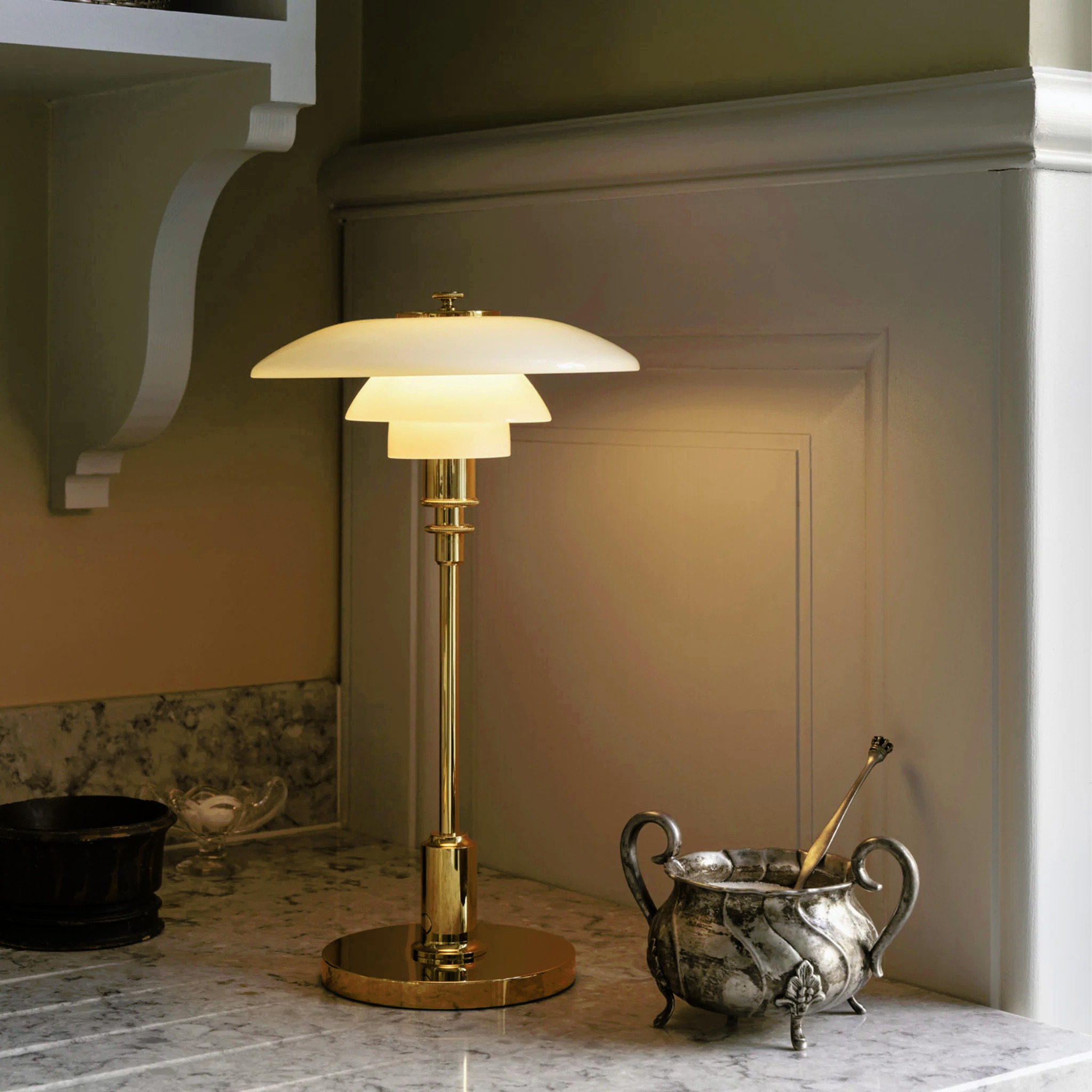
1. PH Table Lamp (1926), Poul Henningsen, Louis Poulsen
PH Table Lamp was designed by Poul Henningsen for Louis Poulsen. PH Table Lamp uses an engineered three-shade system that removes direct glare and provides even light diffusion.
Materials and construction: blown glass, brass, Bakelite.
Dimensions: shade diameter 30, 50 cm, standard table-lamp height.
Purpose: interiors focused on comfortable, soft lighting.
Features: reflected-light concept, glare reduction, compatibility with universal light sources.
PH Table Lamp became a classic of Scandinavian design and a reference point for ergonomics and lighting efficiency.
2. Taccia (1962), Achille and Pier Giacomo Castiglioni, Flos
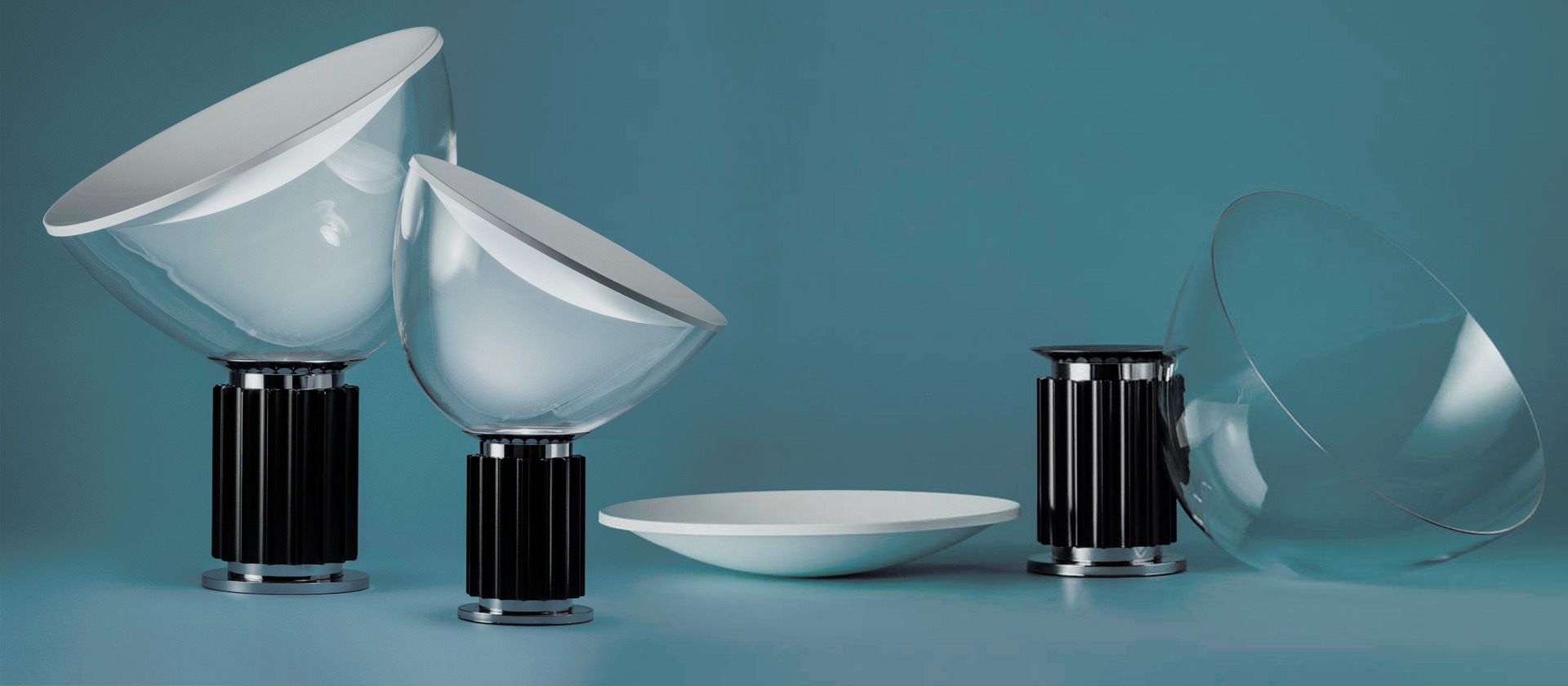
Taccia is a table lamp that combines engineering solutions with an expressive sculptural form. Taccia uses an inverted shade to create soft, diffused light across the work surface and interior.
Materials: blown glass diffuser, aluminium reflector and base.
Dimensions: height 64.5 cm, diffuser diameter 49.5 cm.
Purpose: interiors requiring decorative and functional lighting.
Features: adjustable diffuser, transparent and reflective materials, an innovative approach to light diffusion.
Taccia became a symbol of experimental Italian design in the 1960s and a reference point for combining engineering and aesthetics.
3. Pipistrello (1965), Gae Aulenti, Martinelli Luce
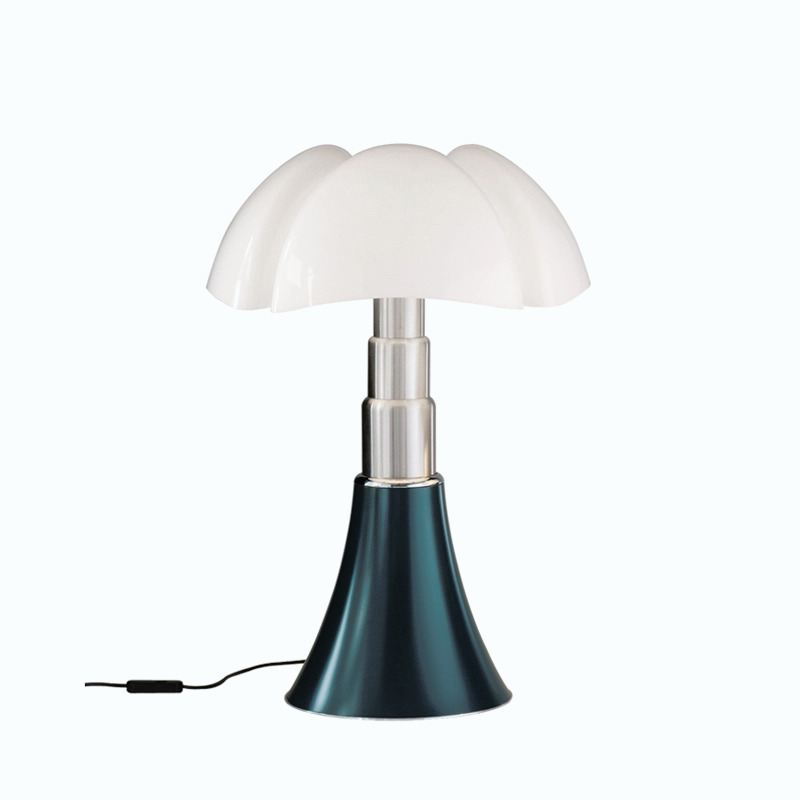
Pipistrello is a hybrid table and floor lamp with a telescopic stem. Pipistrello takes inspiration from the shape of a bat, reflected in the sculptural diffuser.
Materials: opal methacrylate diffuser, stainless-steel telescopic stem, painted aluminium base.
Dimensions: height 66, 86 cm, shade diameter 55 cm.
Purpose: interiors requiring accent and diffused lighting.
Features: telescopic construction, sculptural silhouette, soft diffused light, innovative materials for the mid-1960s.
Pipistrello is one of the most expressive examples of functional flexibility combined with visual drama in Italian design.
4. Atollo (1977), Vico Magistretti, Oluce
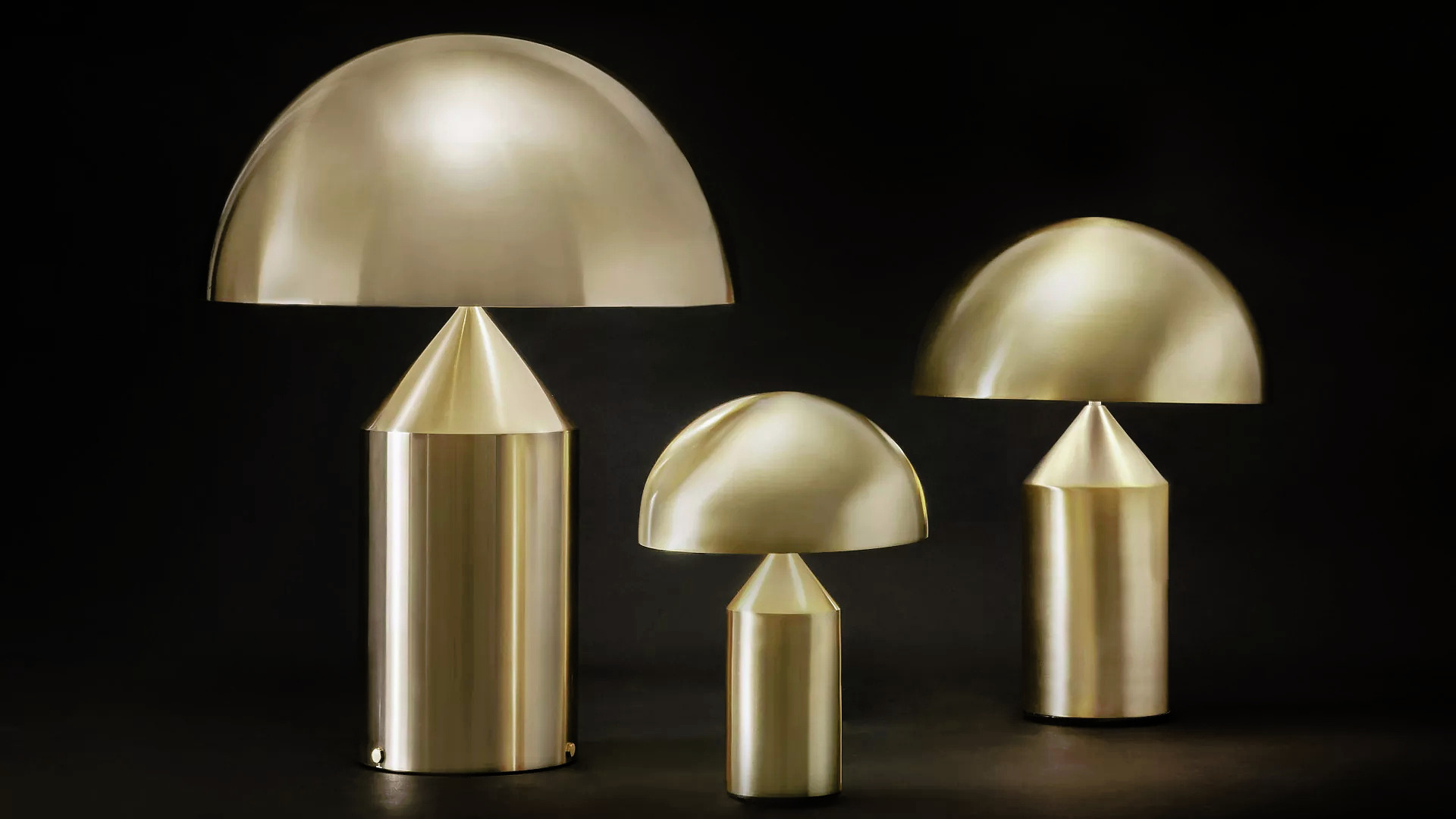
Atollo presents an architectural approach to lighting composition. Atollo combines a cylinder, cone and hemisphere to create a distinctive visual and lighting effect.
Materials: metal, aluminium, blown opal glass.
Dimensions: diameter approximately 50 cm, height approximately 70 cm.
Purpose: interiors that value minimalism and precise forms.
Features: strict geometry, balanced form and light, winner of the Compasso d’Oro award (1979).
Atollo became a symbol of rational lighting design and a reference point for late-20th-century Italian modernism.
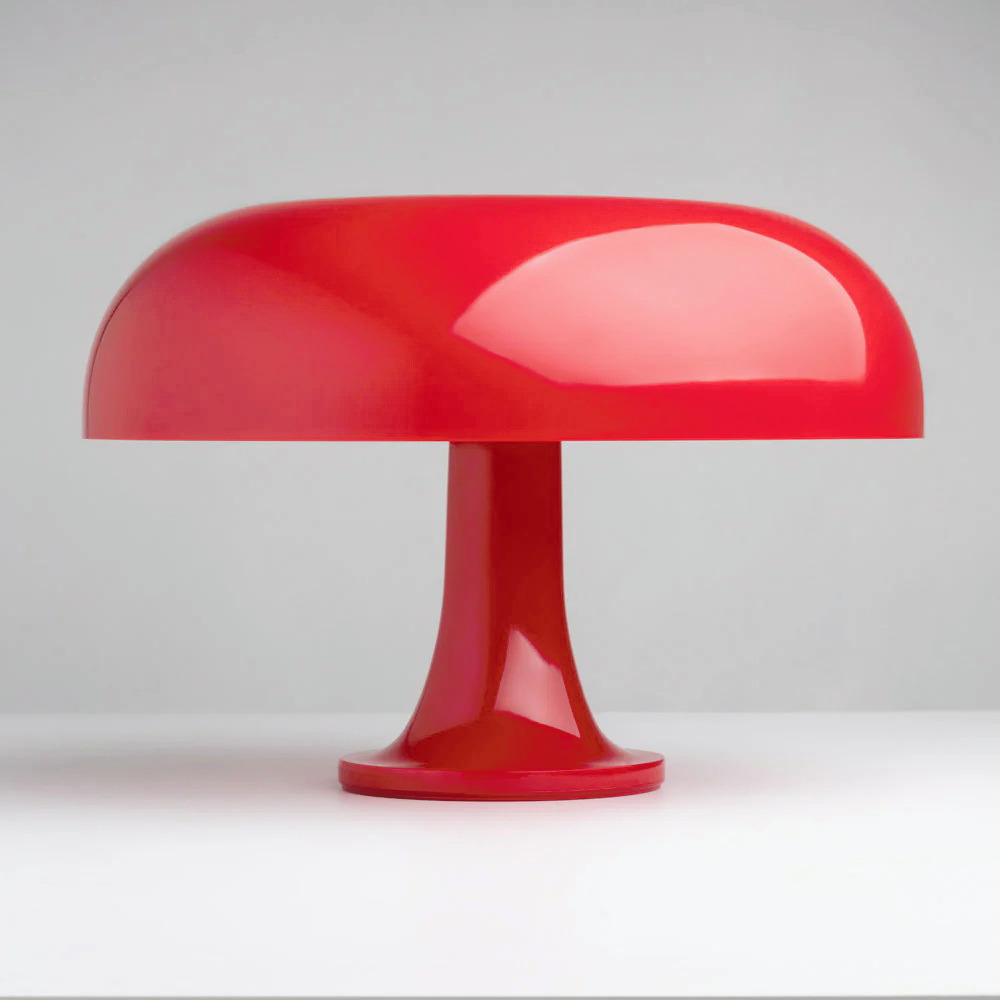
5. Nessino (1967), Giancarlo Mattioli, Artemide
Nessino is a vivid example of a pop-art approach to lighting. Nessino features a compact form, a rounded shade and saturated colours.
Materials: moulded polycarbonate.
Dimensions: height 22.3 cm, diameter 32 cm.
Purpose: interiors requiring decorative and accent lighting.
Features: even diffused light, compact size, expressive colour palette.
Nessino marked an important stage in the use of synthetic materials in designer lighting and symbolises the Space Age.
6. Arco (1962/1965), Achille and Pier Giacomo Castiglioni, Flos
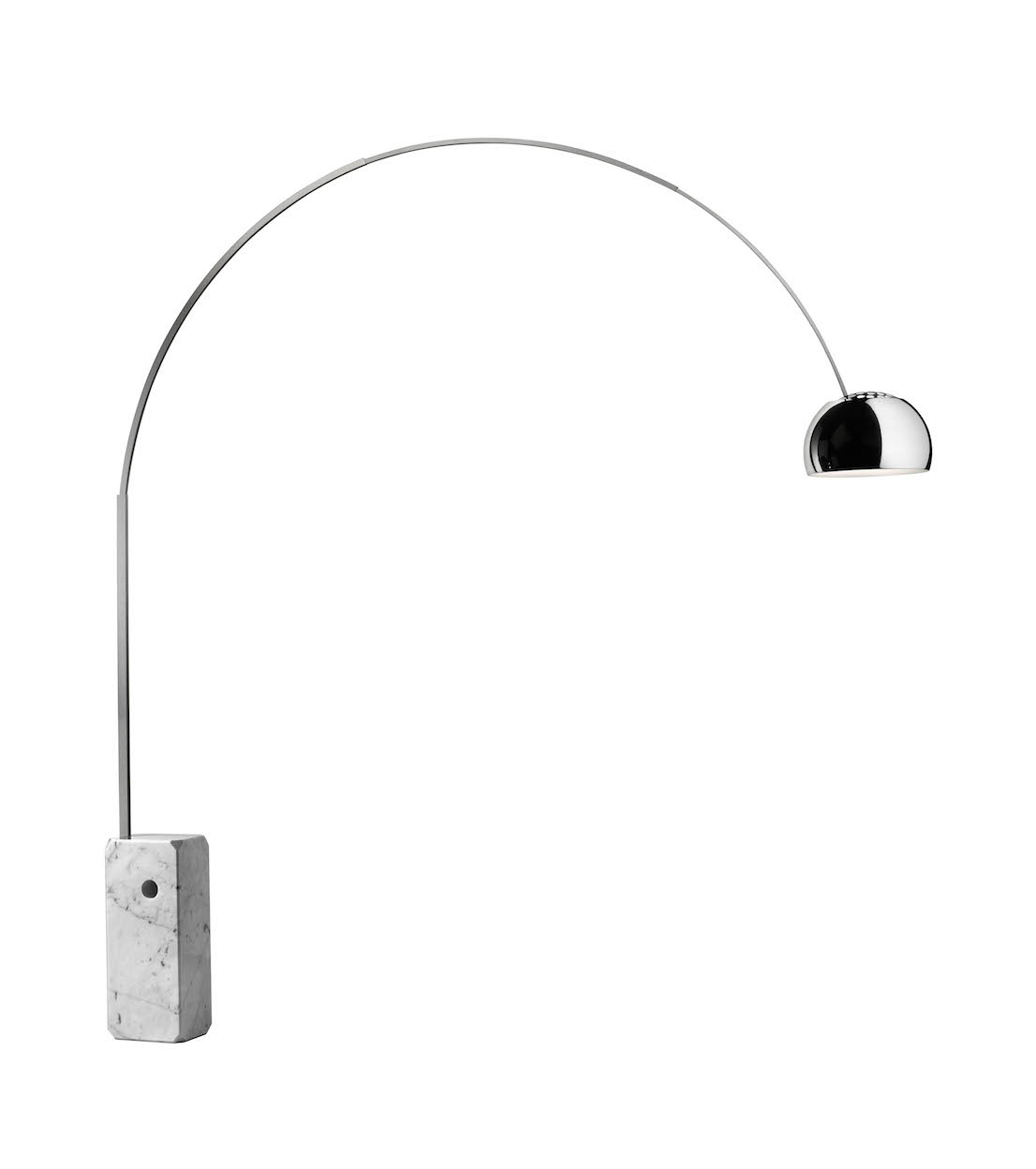
Arco is the world's first floor lamp with a curved arch. Arco directs light over a table or seating area without a suspended fitting.
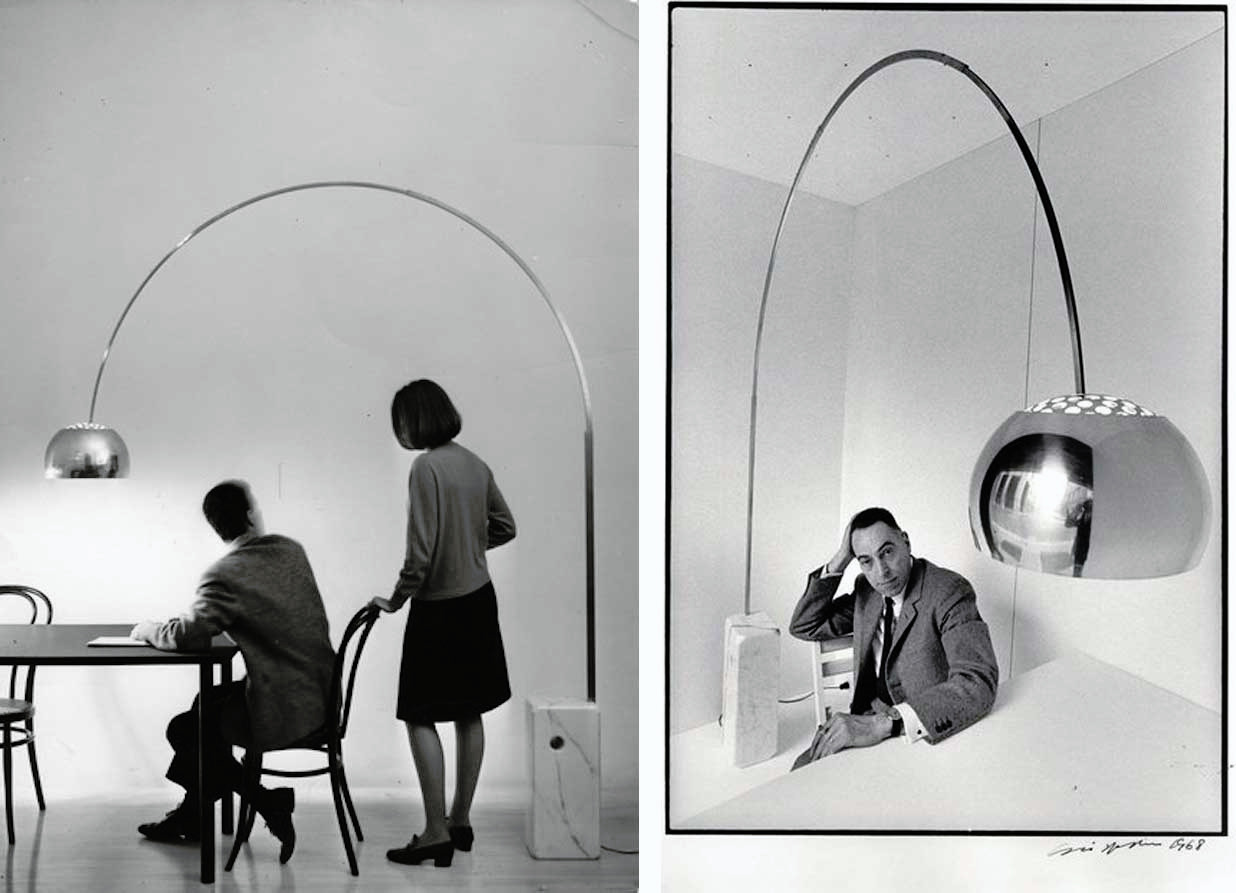
Materials: Carrara marble base, stainless-steel arch.
Dimensions: arch length approximately 244 cm, marble base approximately 20 kg, adjustable height and reflector.
Purpose: interiors where functionality and a visual accent matter.
Features: telescopic arch, sculptural form, precise engineering.
Arco became a symbol of 20th-century functional elegance and continues to inspire interior designers and architects.
Conclusion
These six lamps show how engineering, material experimentation and artistic intuition can shape lasting design. PH Table Lamp, Taccia, Pipistrello, Atollo, Nessino and Arco set standards for composition, light and interior aesthetics. Studying and using these lamps in contemporary projects supports spatial solutions with historical depth, technical precision and artistic impact.