Why Italian Furniture Is No Longer Just Furniture: The 2024 Revelation
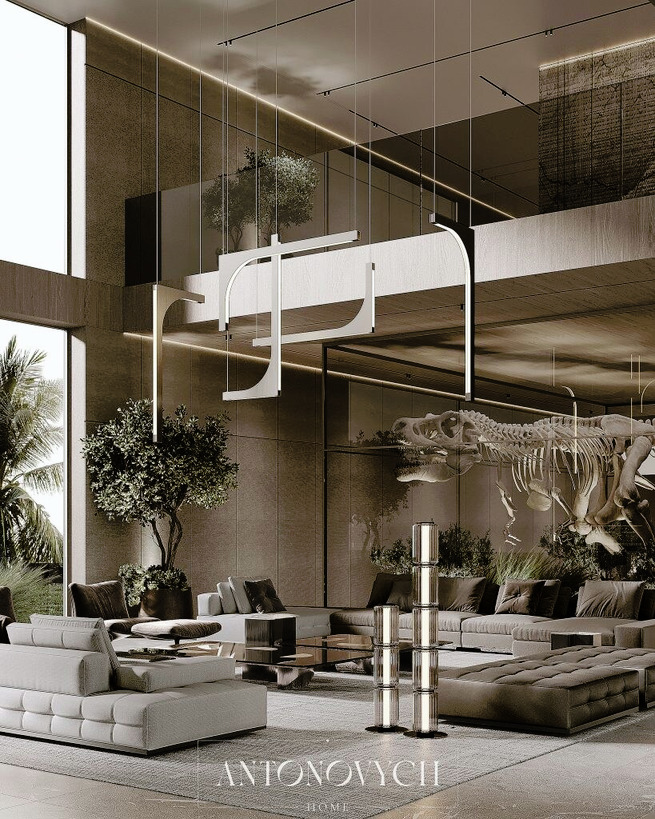
Italian furniture has always represented style, but 2024 is challenging familiar ideas. Tables are becoming art objects, armchairs are becoming status symbols, and sofas are becoming spaces for mental renewal. How are Italian brands dissolving the boundaries between art, technology and function? Italian furniture is entering a world where furniture is no longer just furniture.
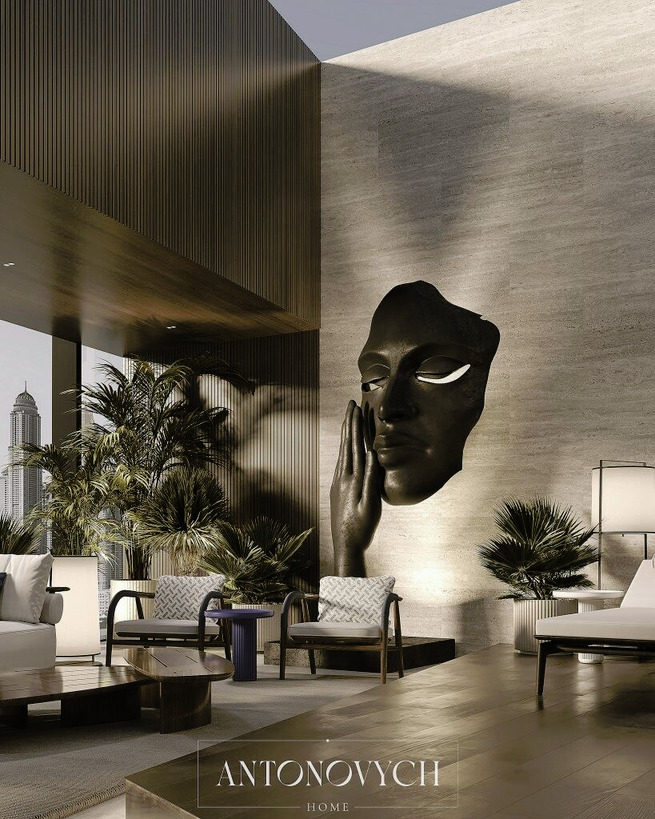
An Armchair Instead of a Painting: Furniture That Speaks for YouIn 2024, armchairs and sofas are becoming forms of self-expression that rival works of art in importance. Italian brands are offering designs inspired by natural forms, urban motifs and mathematical patterns that challenge traditional ideas of aesthetics.
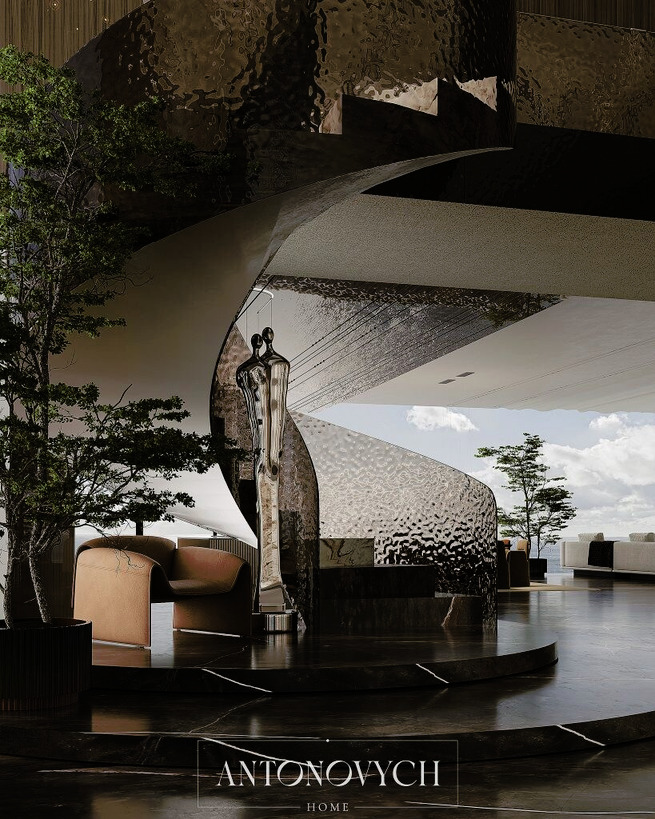
Italian designers see furniture as more than physical comfort, because furniture also creates space for reflection. Modern sofas are designed with neurobiology in mind. Textures, colours and forms create an atmosphere that supports creativity and calm.
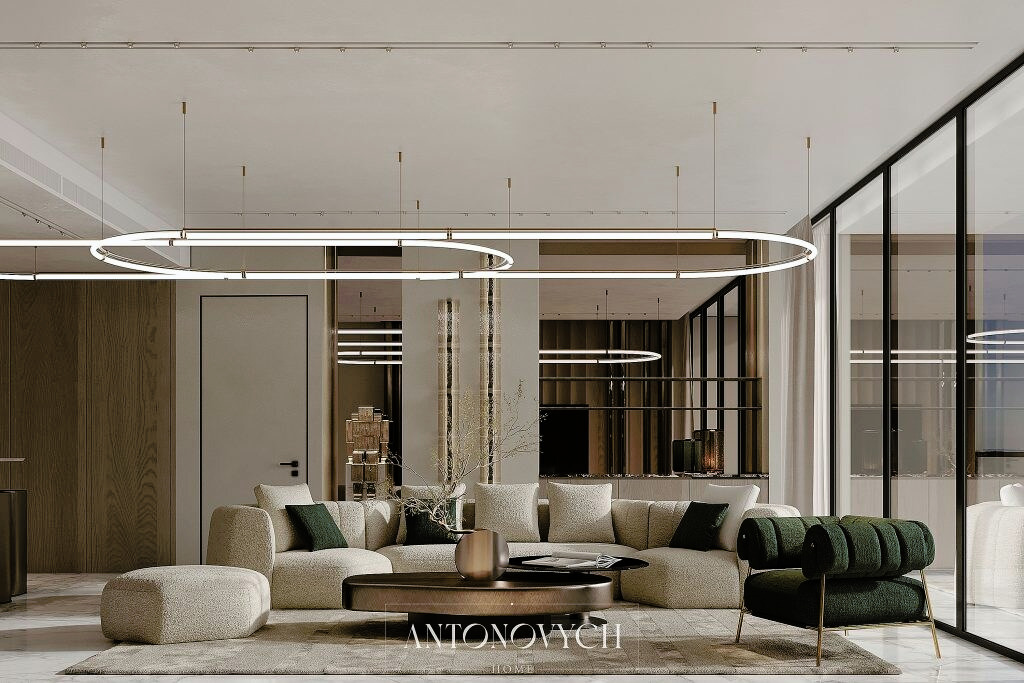
Italian craftspeople are introducing advanced materials. Examples include marble with a porous texture that interacts with air humidity and biodegradable leather that is both environmentally friendly and self-healing. These innovations are changing attitudes towards furniture objects and turning furniture into almost living elements of an interior.
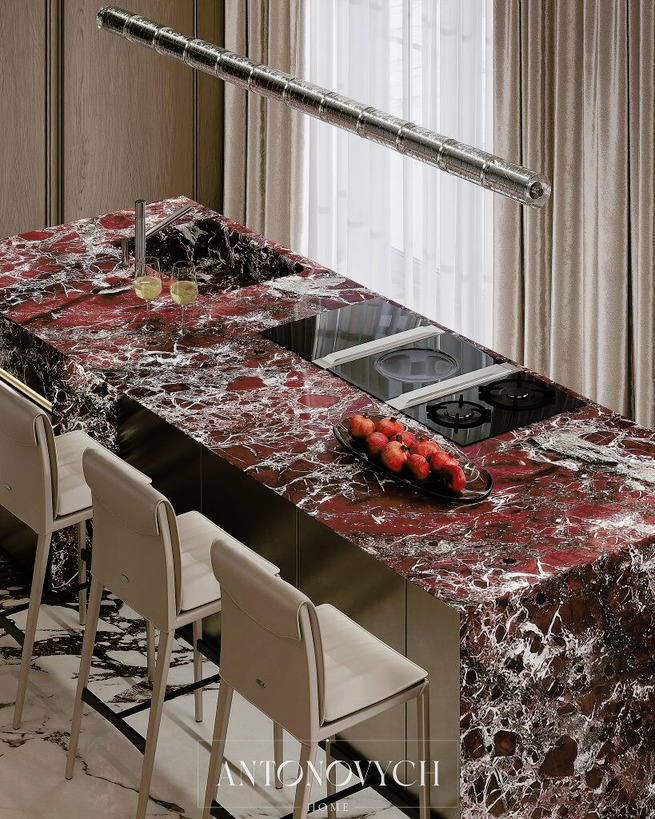
Built-in AI systems are no longer limited to gadgets. In 2024, wardrobes can analyse personal style and suggest new storage options. Tables can automatically adjust their height according to body posture. Italian furniture is becoming smarter than a smartphone.
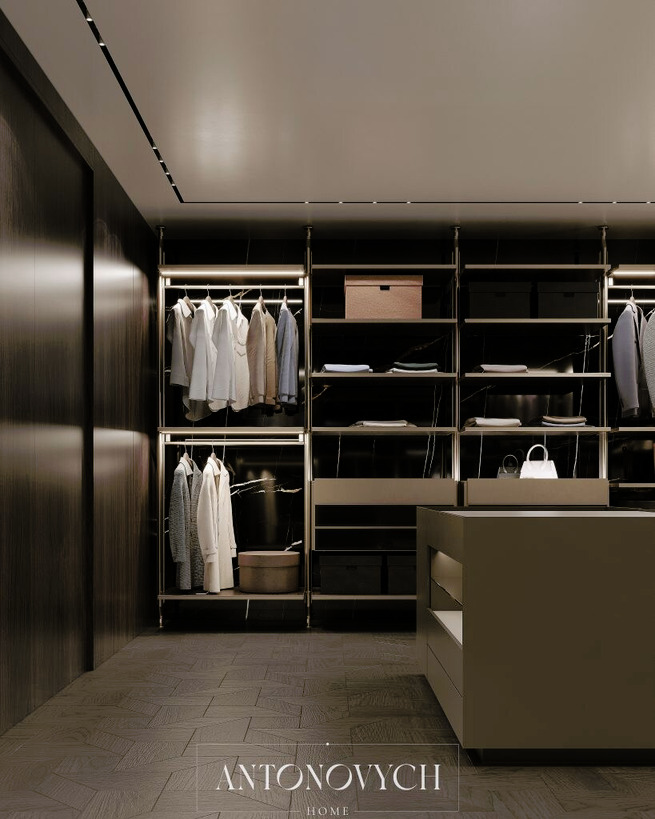
Designers are moving away from tradition to create emotional responses. A mirror can change colour according to mood. An armchair can resemble a surrealist labyrinth. Italian furniture creates an emotional response and turns an interior into a live show.
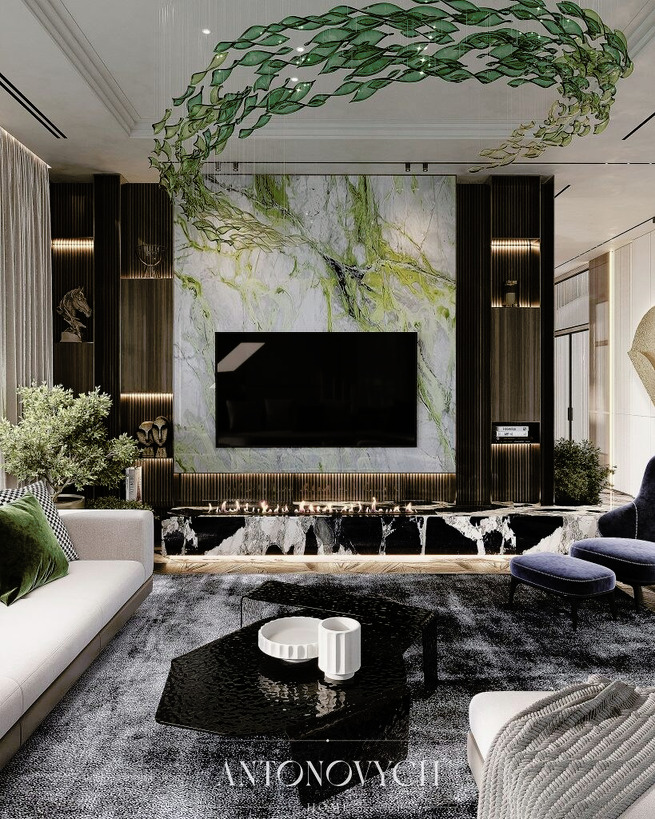
Italian furniture in 2024 is challenging familiar comfort zones with solutions that integrate living areas. Modular systems can transform from wardrobes into partitions. Smart ergonomics can turn dining tables into workstations. Furniture is no longer tied to a specific room. Furniture connects the interior and makes functional boundaries less visible.