
Why the Kitchen Became the Centre of the Modern Home
Over the past ten years, the kitchen has changed from a utilitarian space into the architectural core of the home, a setting for strategic decisions and emotional experiences. The kitchen shapes the value of an interior, the level of privacy and the owner's lifestyle. Designers and architects now approach the kitchen as a complex, layered task that combines technology, ergonomics, gastronomic culture and premium Italian furniture. The Modulnova and Poliform brands show why the kitchen has moved to the centre of the composition and how professionals can work with this shift.
The Kitchen as a Social Magnet: A New Model of Communication
According to Houzz & Home (2025), 61% of homeowners in Europe and 58% of homeowners in CIS countries regard the kitchen as the main space for communication rather than food preparation. The figure reaches 72% in the premium segment. Architects are recording a consistent trend: living rooms are merging with kitchens, while the island becomes the main point of attraction.
Antonovych Home creative designer Svitlana Antonovych notes:
«We design kitchens as public spaces within private architecture. The island is no longer just a work surface, but the stage for family life. The island replaces the dining room and even the meeting room.»
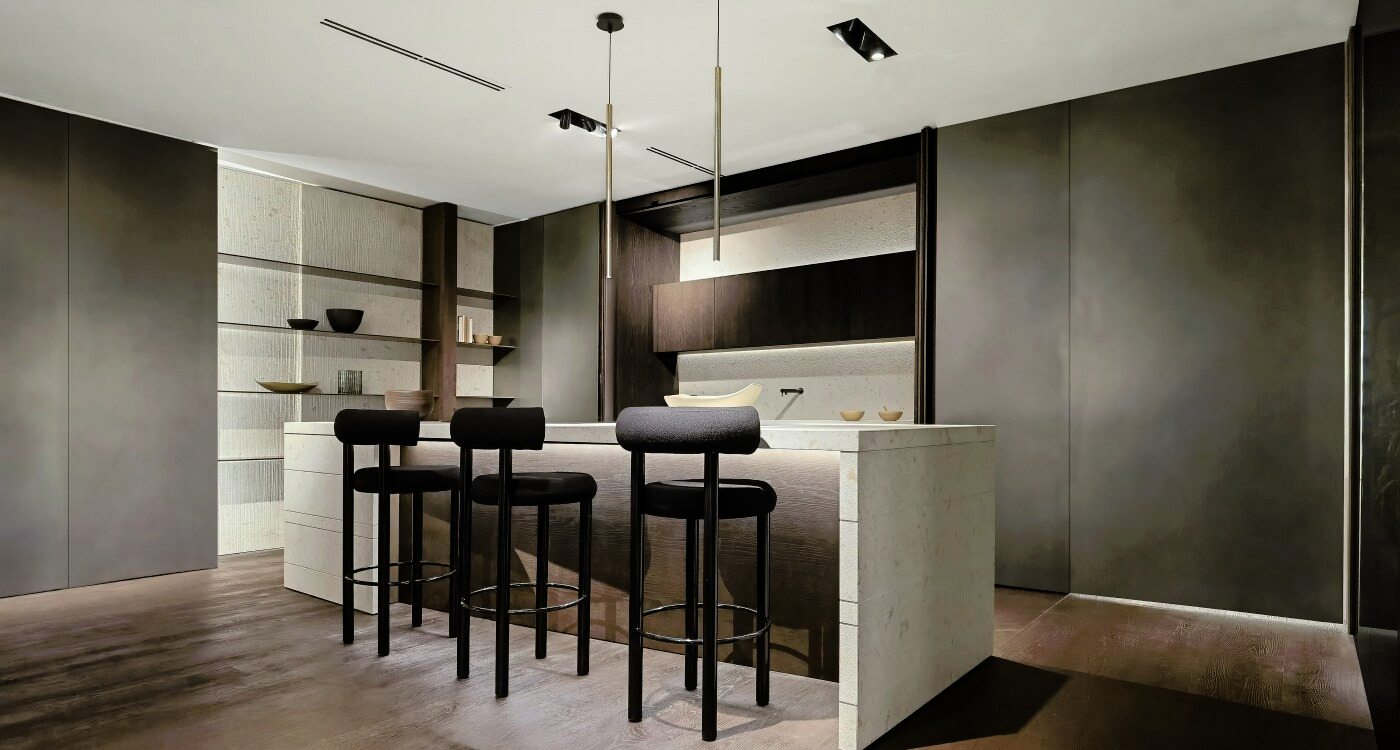
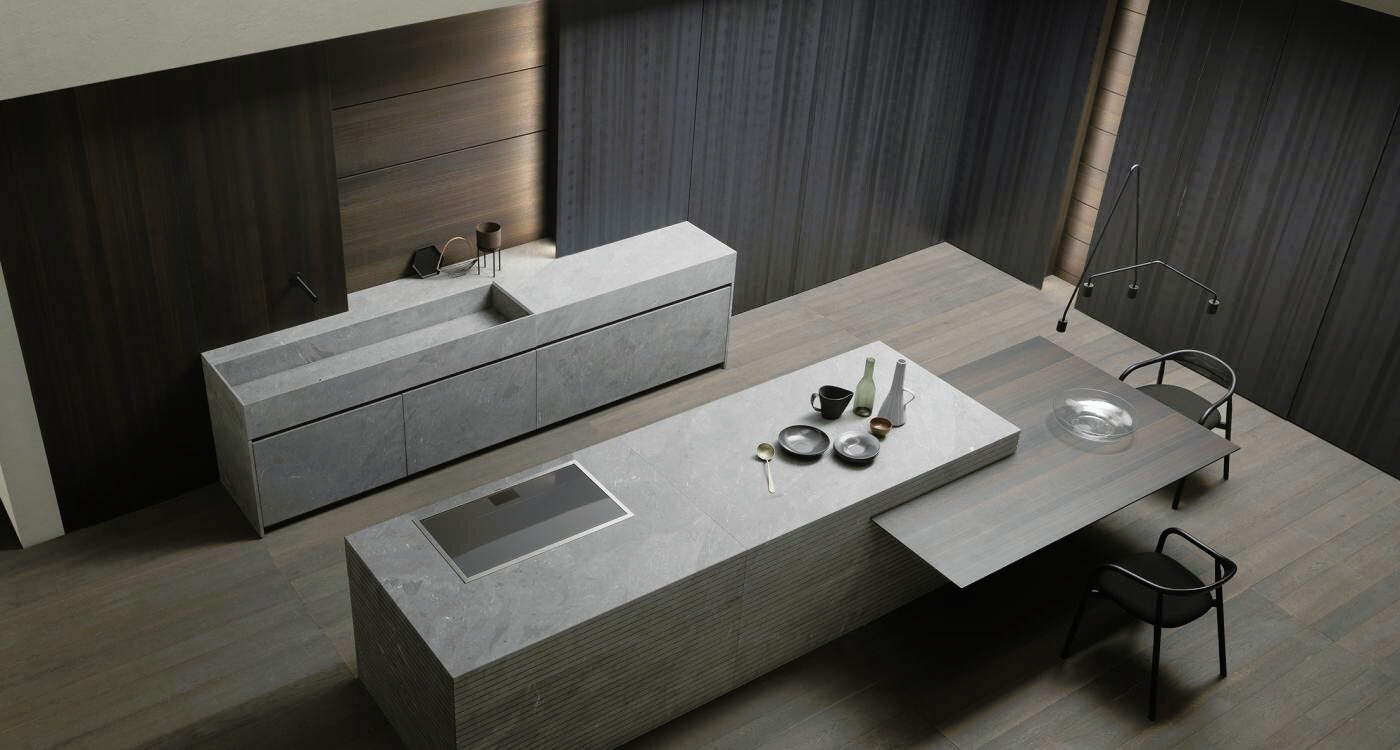
Projects using Modulnova solutions focus on monumental stone and metal islands, integrated storage systems and concealed cooking areas. The arrangement changes how people use the space: the kitchen becomes a place for shared activity rather than a service zone.
Designers must reconsider planning solutions through open compositions, acoustic scenarios and hospitality-level lighting.
The Economics of Space: The Kitchen as an Investment Factor
According to Knight Frank (2025), a high-quality kitchen increases the market value of premium property by 8, 15%, depending on the brand and specification. Buyers are paying increasing attention to the origin of the furniture and the manufacturer of the fronts.
Antonovych Home showroom director and premium furniture expert Dmytro Korotchuk emphasises:
«Clients now ask a specific question: which recommended furniture brands have been used? Clients look to the world's top furniture brands. A kitchen by Modulnova or Poliform is perceived as an indicator of the property's level.»
In Kazakhstan, interest in the searches «best furniture in Kazakhstan» and «where to buy the best furniture in Astana» increased by 37% between 2024 and 2025, according to local Google Trends analysis. The growth shows that clients have become more informed and view the kitchen as an investment.
For architects, the point is strategic: correctly selected furniture for premium interiors directly affects the property's liquidity.
Technological Revolution: The Concealed Kitchen
Modern kitchens are highly complex engineering systems. According to the Euromonitor (2025) report, 46% of premium kitchen buyers choose solutions with integrated appliances, automated storage systems and touch controls.
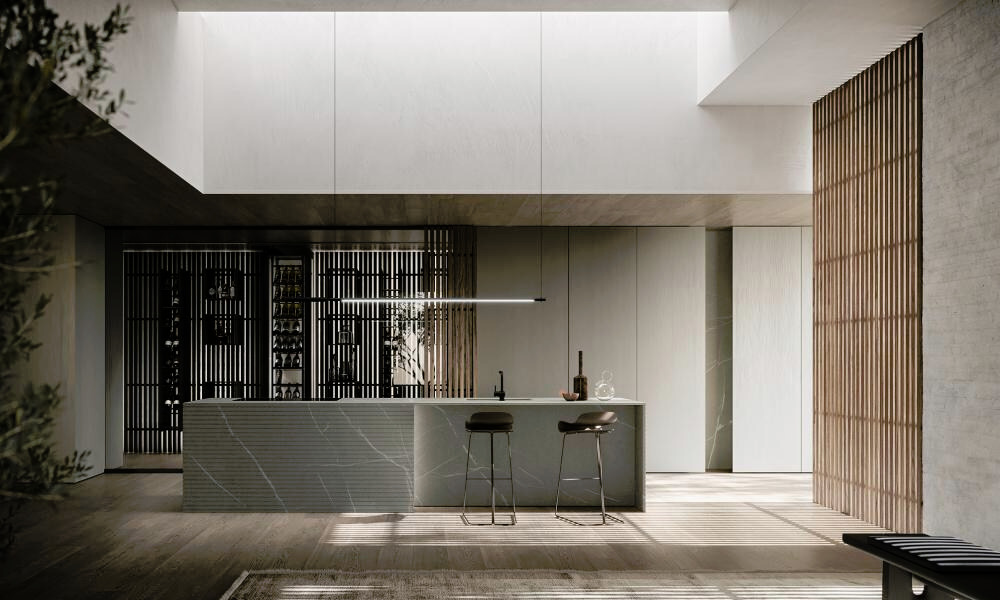
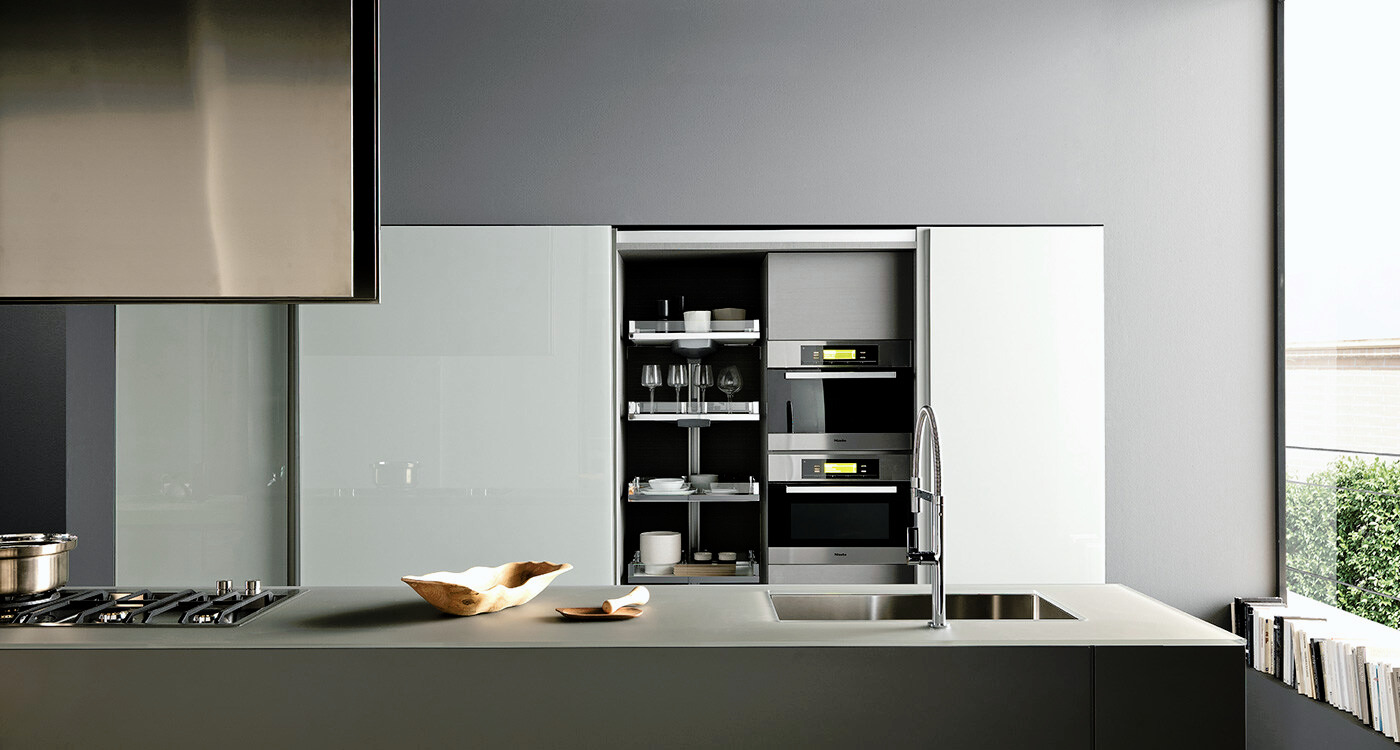
Poliform collections integrate the kitchen into the living space through concealed panels, sliding modules and library compositions. The approach is particularly relevant to open-plan interiors, where visual noise is unacceptable.
Svitlana Antonovych comments:
«We see demand for a “disappearing kitchen”. The fronts become an architectural plane. Concealed appliances make the space look more expensive and cleaner.»
Project designers must coordinate with engineering specialists at an early stage. An error in concealed fixing points or ventilation can undermine the concept.
Next-Generation Materials: Tactility as a Selection Criterion
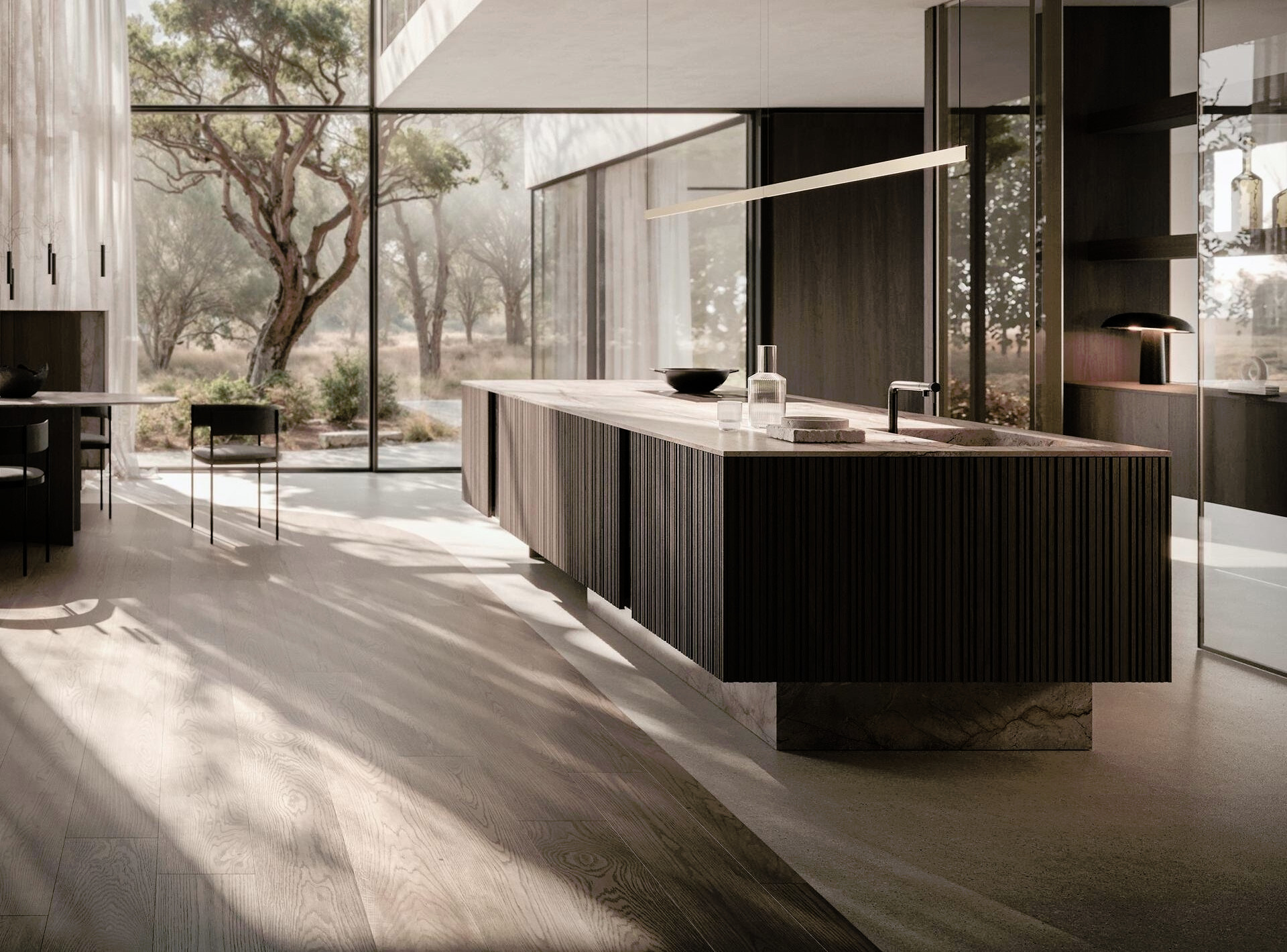
The Material Bank (2025) study shows that 64% of designers consider tactility a key factor when selecting kitchen surfaces. Stone, metal, innovative ceramic and matt lacquer create an emotional connection through material.
Modulnova works extensively with natural stone, large-format ceramic and aluminium to create an industrial aesthetic. Poliform focuses on the balance of wood, lacquer and metal.
Product origin is especially important in the Kazakhstan market. Demand for «premium Italian furniture» continues to grow, while clients look to the top furniture brands in Kazakhstan represented by professional showrooms.
The best furniture showrooms in Astana are becoming more than retail locations. The showrooms are educational spaces where architects can demonstrate textures, construction and mechanisms to clients.
The Kitchen as Part of a Lifestyle Concept
According to the Deloitte Global Consumer Survey (2025), 53% of affluent clients view the kitchen as a reflection of their lifestyle. The kitchen represents more than gastronomy, because the kitchen also expresses a cultural code.
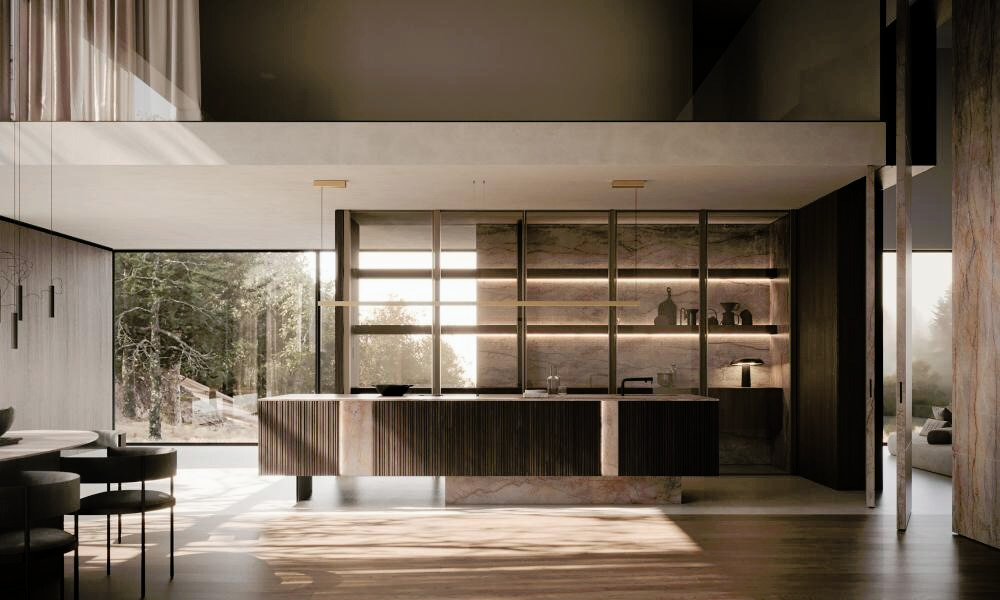
A kitchen with a large island, wine area and professional appliances establishes a new standard for the private home. Antonovych Home premium projects design the kitchen alongside dressing rooms and living rooms as one system of storage and living scenarios.
Furniture for premium interiors in the kitchen now integrates with libraries, wall panels and even media zones. The integration expands the architect's task, because the kitchen becomes part of the overall architectural composition.
The Psychology of Space: The Kitchen as a Centre of Emotional Stability
A study by the Harvard Joint Center for Housing Studies (2025) indicates that the kitchen remains the place of daily interaction for all family members in 68% of family homes. The kitchen preserves physical communication in the digital age.
Dmytro Korotchuk notes:
«When a client chooses a kitchen, the client chooses more than fronts. The client chooses the environment where most of life takes place. Brands such as Modulnova and Poliform are therefore perceived as guarantees of stability and quality.»
Architects must therefore design the kitchen as the compositional centre rather than as a residual element.
Conclusion: The Kitchen as the Architectural Core of the Home
The kitchen has become the centre of the modern home for three reasons: social transformation, investment value and technological evolution. Modulnova and Poliform have established a new standard in which the kitchen is an architectural system rather than a furniture block.
Svitlana Antonovych emphasises:
«The living room once determined the interior's structure. Today, the kitchen sets the rhythm for the entire space.»
Dmytro Korotchuk adds:
«Clients increasingly look to the world's top furniture brands and seek expert guidance. The role of a premium furniture expert has become essential.»
The conclusion for market professionals is clear: the kitchen is a strategic design tool. The kitchen forms the home's emotional centre, the property's financial value and its architectural identity.