How to Light a Living Room with Marchettiilluminazione
Proper living room lighting preserves the room’s appearance and creates a relaxed, functional setting with the right decorative lights. Light placement depends on assessing the areas that require stronger illumination.
Assessing the specific areas where artificial light can be directed also forms an important part of living room furnishing. Assessment highlights details that your client does not want to leave in shadow, such as paintings and other furnishing elements.
Light plays a fundamental role in psychophysical balance. Lighting quality therefore determines the level of comfort in the surrounding environment.
The best living room lighting creates a calm, pleasant atmosphere. A well-planned scheme allows your client to make the most of every moment spent in this part of the home.
Living room lighting is often assigned to one ceiling chandelier installed in the centre of the room. A chandelier provides diffused light, but one fitting alone is often insufficient for adequate illumination throughout the space.
6 tips for lighting a living room with suitable solutions for each area
Family members use the living room for different activities, including reading, conversation, computer work, games and television viewing. Different activities require different lighting, so selecting one scheme for every use can be difficult.
The following decorative lights can provide effective living room illumination. The key categories include:
Chandeliers Table lamps Floor lamps Wall lights LED profiles Recessed spotlights The options can be considered step by step.
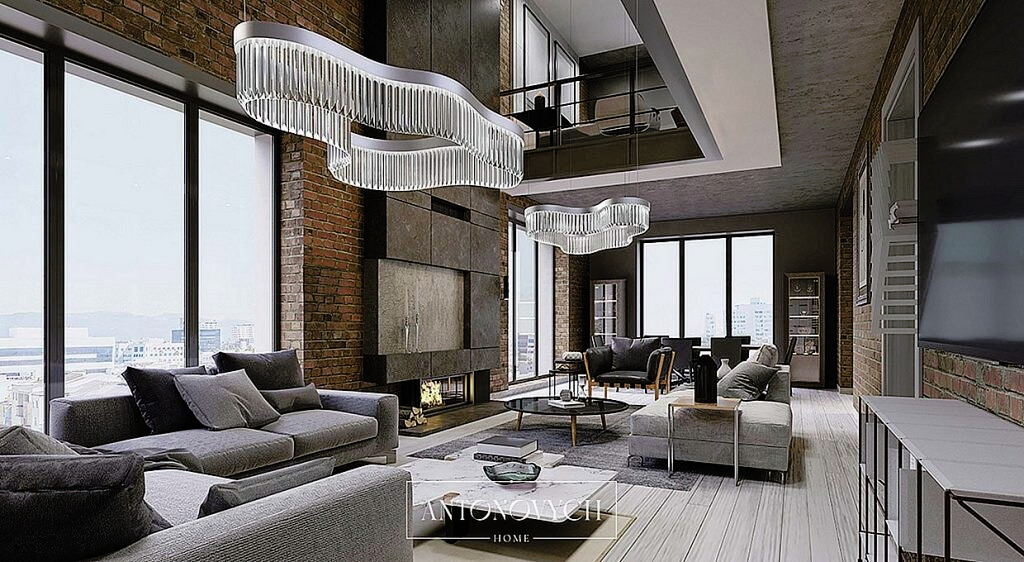
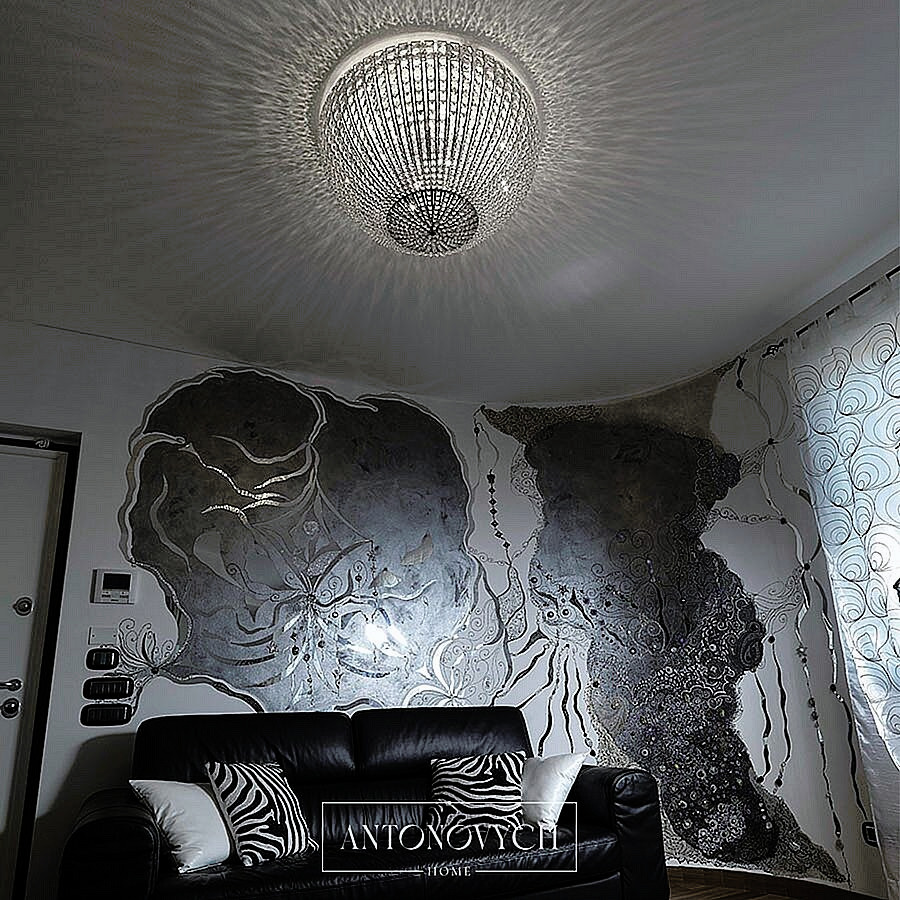
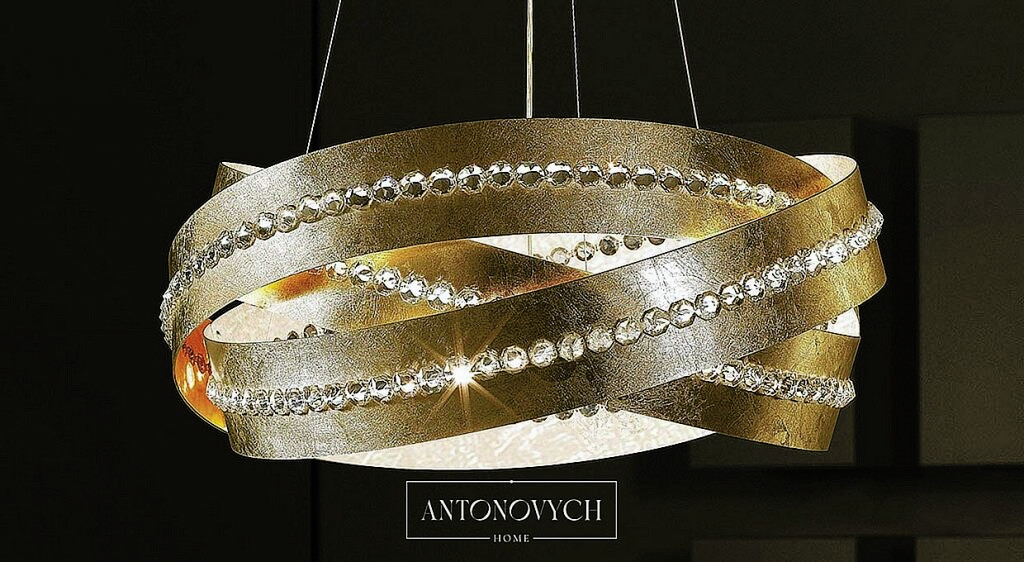
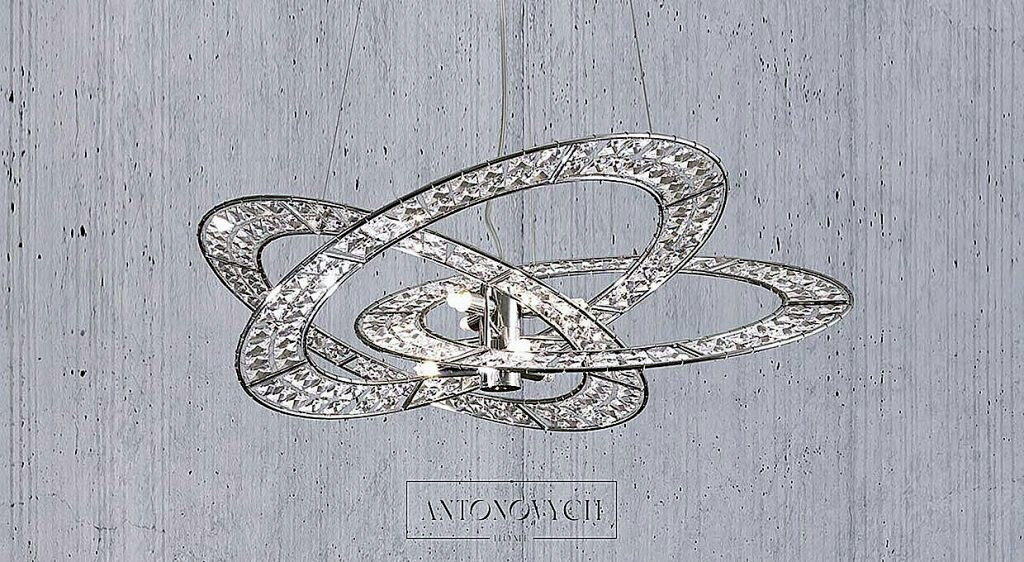
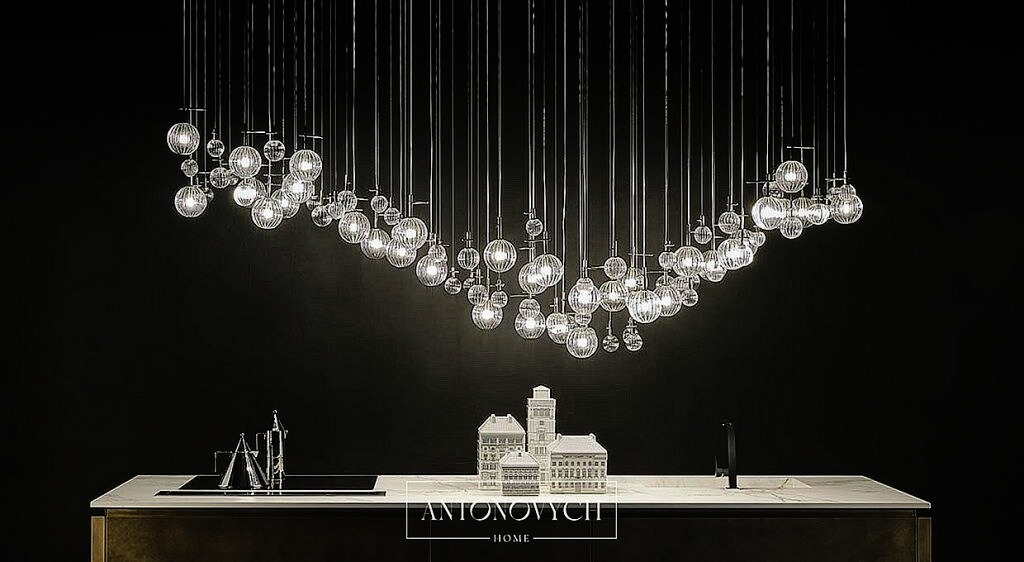
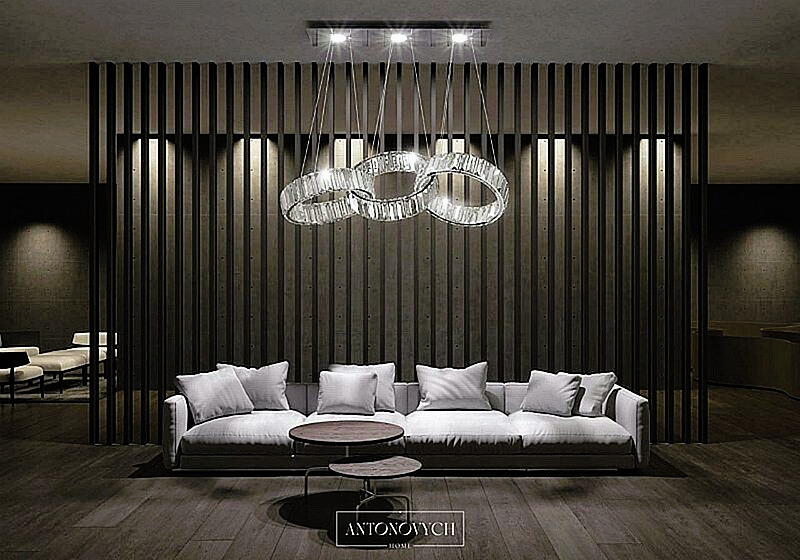
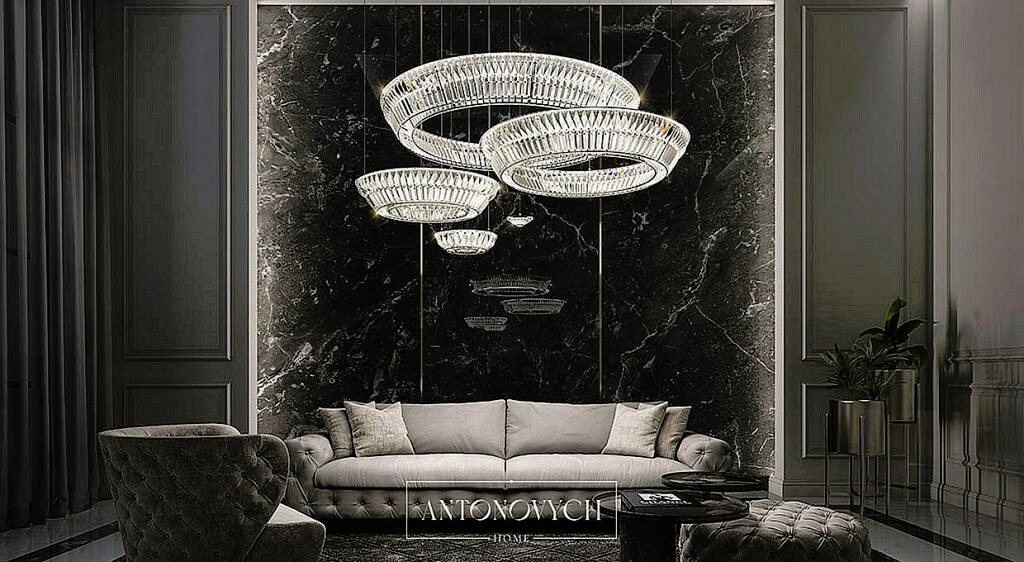
Yes to modern chandeliers Modern chandelier solutions provide a strong beam of light in the central area and generally illuminate the entire room. The result improves when the fitting has been selected and positioned with care.
Multi-light chandelier models contain several bulbs and distribute light more effectively around the room. Multiple light points also allow the living room lighting scheme to be adjusted to different uses.
A living room that also serves as a dining room can use one light point above the centre of the table for direct illumination during meals. Two additional light points can illuminate the areas beside the sofa for comfortable reading.
A good chandelier should complement the furniture style.
Chandelier selection should address both function and appearance. The right choice makes the fitting a functional, attractive furnishing element for the home’s living room.
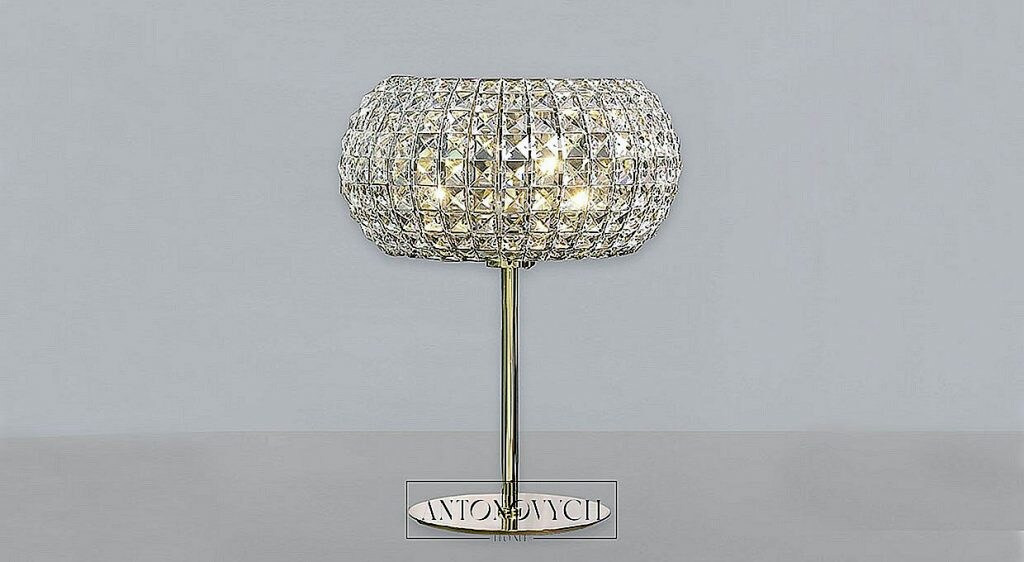
Table lamps combine lighting and design
Living rooms with a desk, writing table or one or more coffee tables can benefit from a table lamp.
A table lamp provides more than illumination. A table lamp can also become a central furnishing element in the living room.
Table lamps have a strong visual presence, especially in living rooms with consoles, chests of drawers or other support surfaces. Carefully selected models can enhance the furniture and become noticeable elements in the room.
Table lamps offer versatile living room lighting because the light point can be moved from one piece of furniture to another. Relocating the lamp can connect different functional areas, including the living room and dining room.
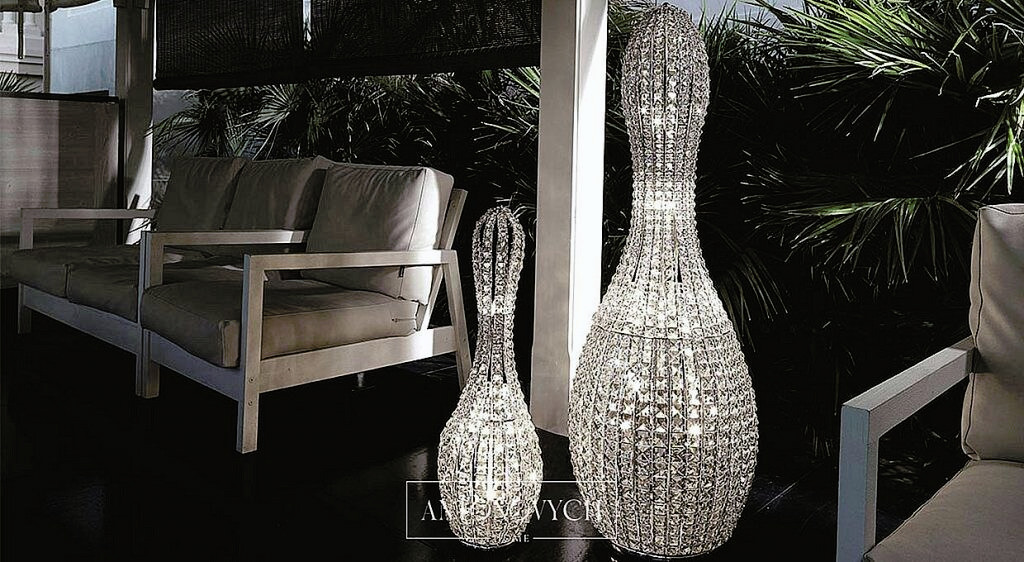
Floor lamps provide practical, intimate lighting
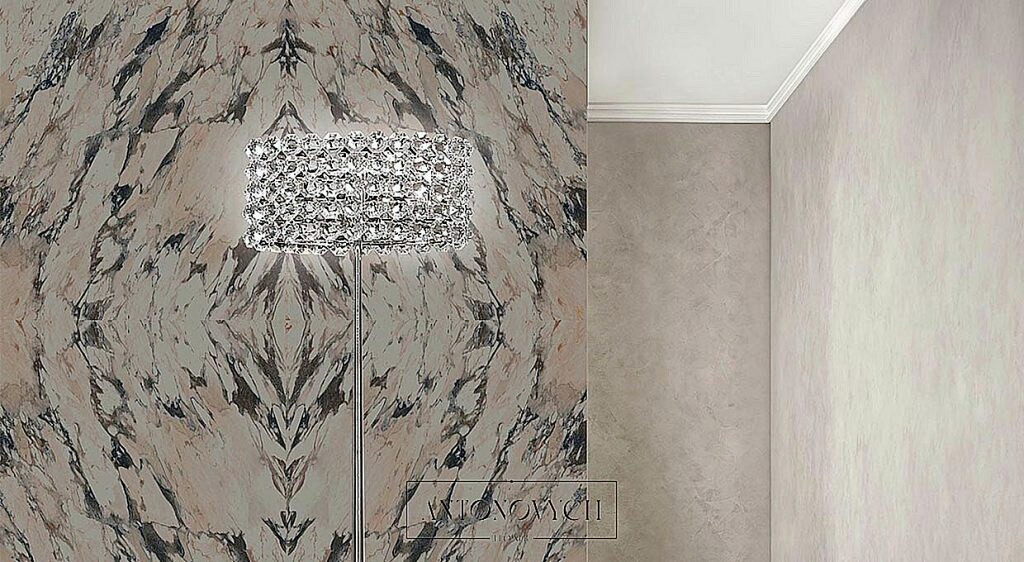
Floor lamps provide an effective way to improve ambient lighting.
Floor lamps are available in many shapes and sizes. Floor lamps can cast warm, soft light throughout the room.
Floor lamps offer a major practical advantage because installation does not require assembly. Connecting the plug to a power socket is sufficient to switch on the lamp.
Floor lamps can provide suitable light for any living room activity.
A floor lamp beside a sofa or armchair can create a comfortable reading position. A floor lamp can also reduce eye strain during computer work or television viewing.
Floor lamps with flexible structures provide another functional solution. Flexible structures allow your client to direct the beam wherever required. Some newer models even allow light sources to move from the floor lamp to a chandelier or wall lights.
Floor lamps can be moved easily when furniture layouts change. Floor lamps therefore adapt to different arrangements while providing effective, intimate lighting.
Wall lights combine function and design
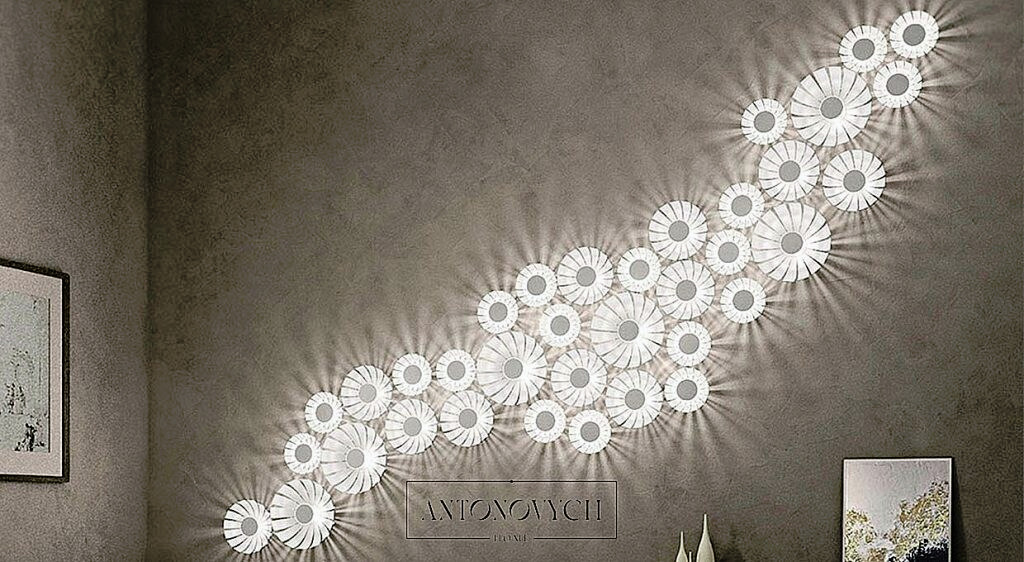
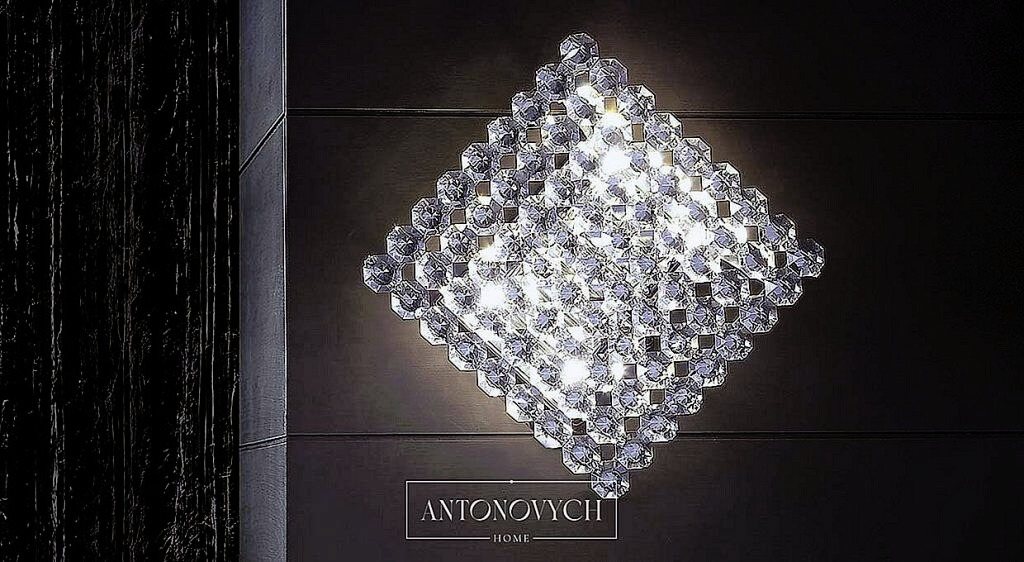
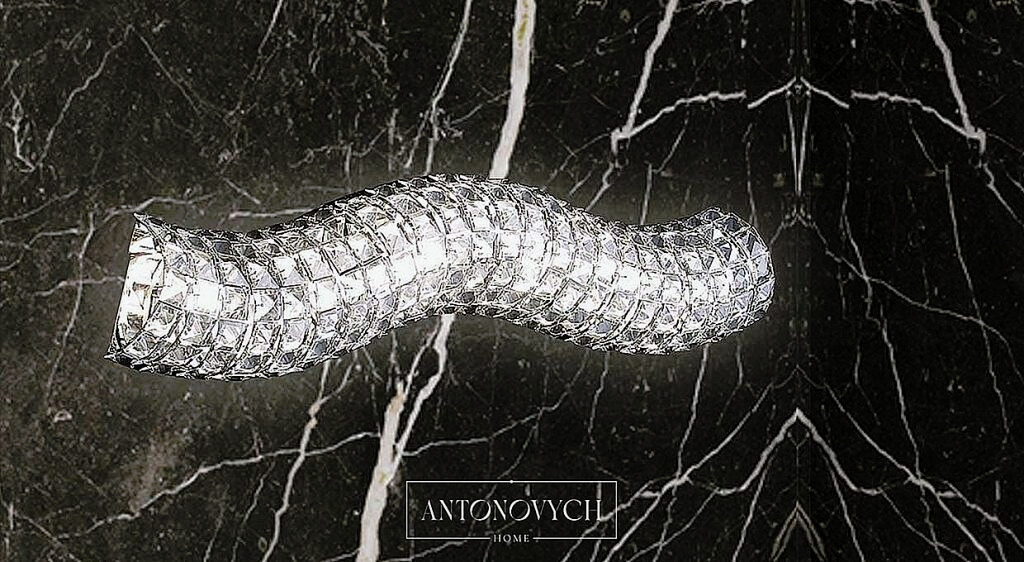
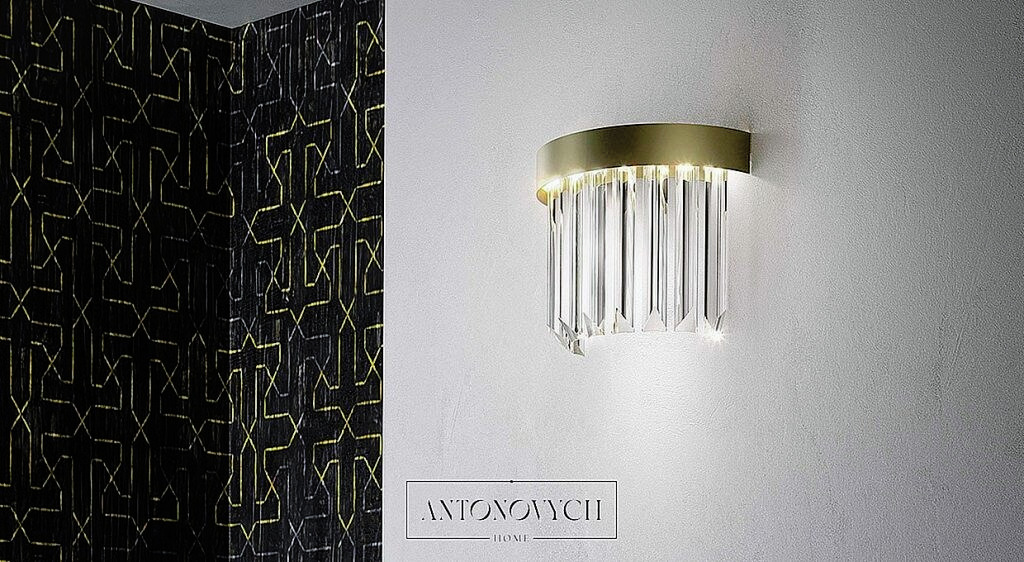
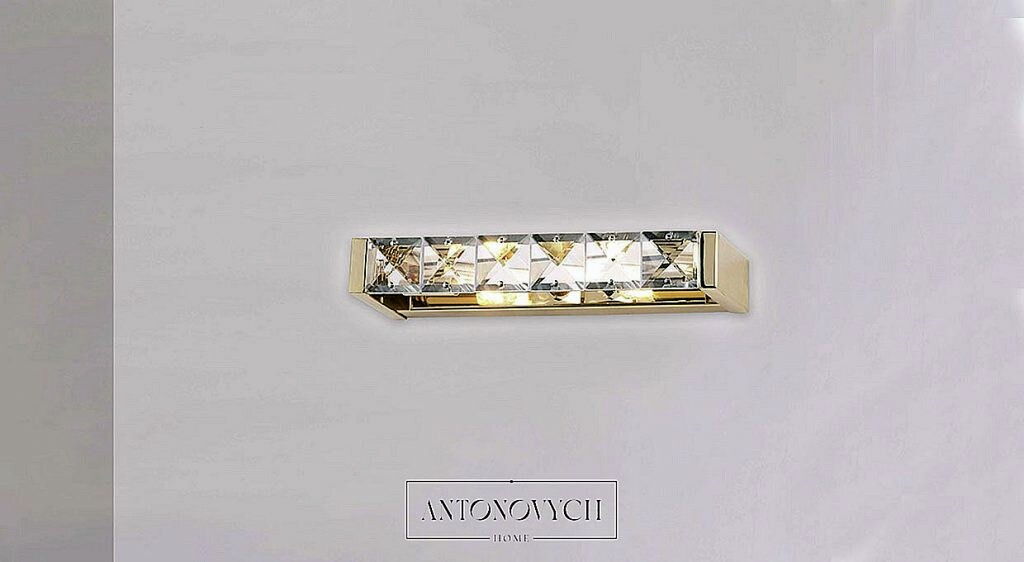
Wall lights combine functional and aesthetic elements, especially in modern models with strong design value.
Wall lighting takes up no floor or surface space. Wall lights can also create specific effects, such as placing light points on the wall behind a sofa. Light source selection is essential for the result.
Room brightness depends on the selected light source. Light source selection should consider colour temperature, measured in Kelvin degrees (K), as indicated on the back of the packaging.
Lamps rated from 2700 to 3200 K produce warm white light. Lamps rated from 3500 to 5000 K produce cool white light.
LED profiles suit minimalist and non-minimalist living rooms
LED profiles and strips offer an alternative for clients seeking energy savings and functional lighting without sacrificing style.
LED lighting was once commonly associated with minimalist living rooms. LED lighting is now also used in every type of living room as decorative, striking illumination.
LED strips can be installed along wall, floor or suspended-ceiling profiles. Installation depends on the lighting result your client wants, alongside the other lighting technology.
Classic LED lights with cool or warm light can be installed alone. Coloured options can also be integrated, often with remote adjustment, to create different living room lighting effects based on chromotherapy.
Careful selection and positioning of spotlights and LED profiles can create an attractive stylistic contrast in warmer, more rustic interiors.
Recessed spotlights are popular for modern living rooms
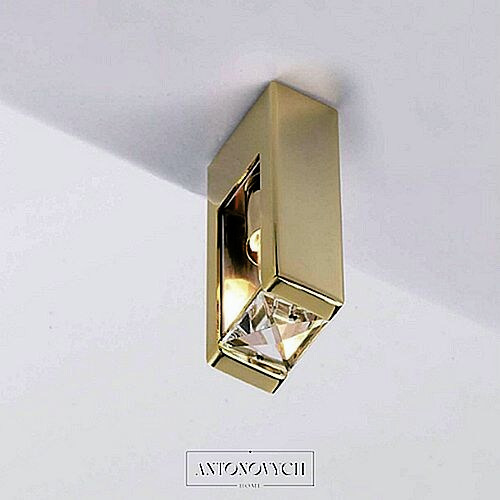
Recessed spotlights provide stylish living room lighting without taking up space.
Recessed spotlights can use LED technology with warm or cool light. Recessed spotlights suit suspended ceilings and walls or ceilings with linear, simply plastered surfaces.
Recessed ceiling spotlights offer several benefits:
Recessed spotlights provide deep brightness and maximum discretion across the room when a modern, minimalist interior style is preferred; Recessed spotlights can outline the room around its full perimeter and highlight one section of masonry according to the desired effect; Recessed spotlights allow the system to be divided into separate areas. Your client can control each section and alternate light points across the illuminated living room areas.
Chic lamps can suit a living room when the surrounding decor has been selected carefully. Simple, restrained and discreet lighting remains central to a successful living room scheme.
More decorative lamps and chandeliers can also work well when the living room has enough visual space to accommodate them.
Your client’s preference for the living room depends on the style selected to personalise the home.
A striking lighting installation is not always suitable. The effect on the space should be considered before selecting a prominent decorative fitting.
Practicality and style: how to light a living room
Living room lighting requires careful selection of suitable decorative lights. Lighting choices affect the style and identity of your client’s living room.
A practical approach is to select fittings that work stylistically with one another and with the furniture already present in the living room. Fittings with especially prominent or iconic designs should not be combined in one part of the space. Clients seeking a more eclectic living room lighting style can combine selected lamps. The fittings should remain visually coherent and work well together.