
Modulnova: Kitchen as Spatial Architecture
In contemporary interior architecture, the kitchen is gradually moving beyond its utilitarian role and becoming a complete spatial element. Architects and designers use the kitchen in the same way as walls, partitions and volumes: the kitchen shapes composition, establishes room proportions and defines the visual logic of an interior. The Italian brand Modulnova has developed this approach for more than thirty years, treating the kitchen as an architectural system. Professionals working on high-end projects can use the Modulnova philosophy to create interiors where premium furniture becomes part of the spatial architecture.
The Kitchen as an Architectural System
The role of the kitchen in residential interiors has changed significantly in recent years. According to the international Houzz Kitchen Trends Report 2025, approximately 64% of new premium-segment homes are designed with a kitchen integrated into the main living space.
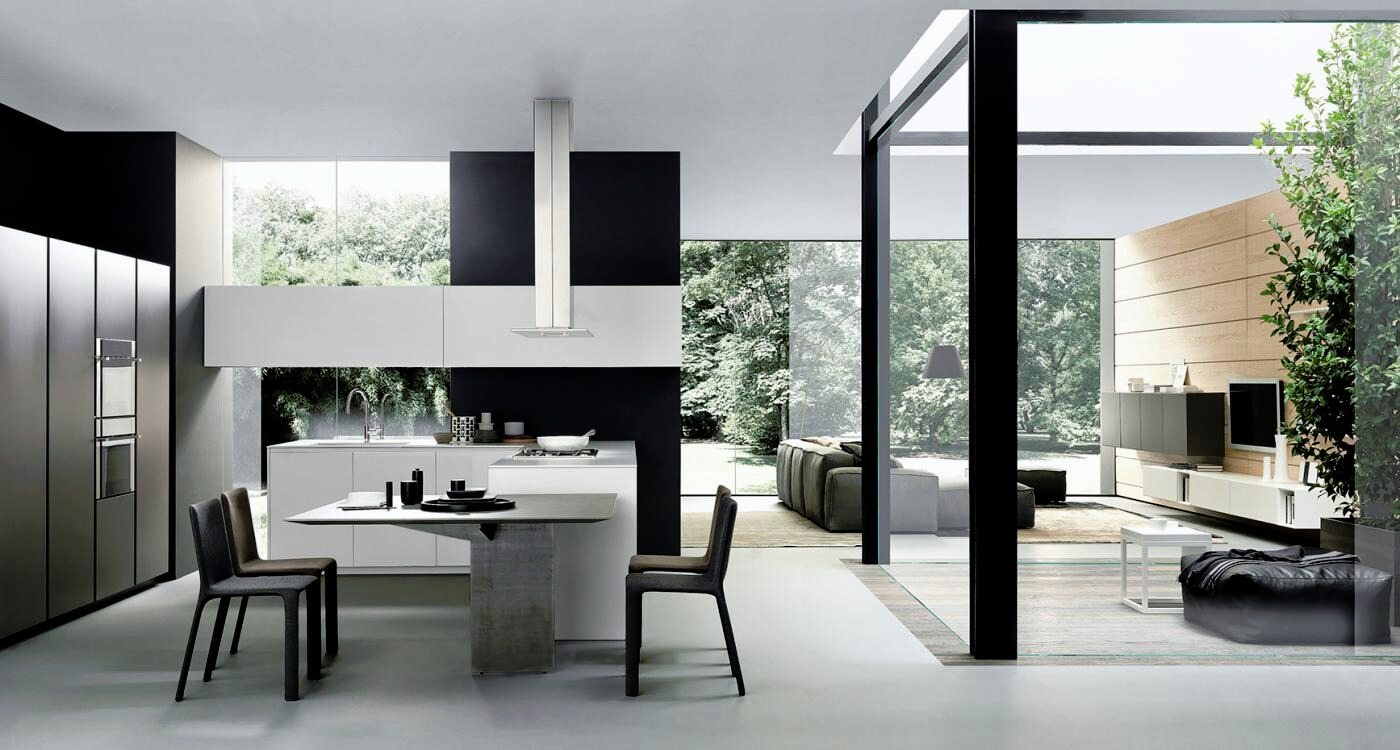
Modulnova works in precisely this direction. The brand's projects treat the kitchen as a unified architectural structure: large island volumes, monolithic surfaces and precisely aligned facade geometry. The composition shapes the space as actively as other interior architectural elements.
Svetlana Antonovych, creative designer at the Antonovych Home studio, says:
"When we work with Modulnova kitchens, we are effectively designing architecture within the interior. The island, facade lines and niche depth all shape the spatial composition and influence how the home is perceived."
The approach is especially relevant to designers creating open-plan projects.
Materials as an Architectural Tool
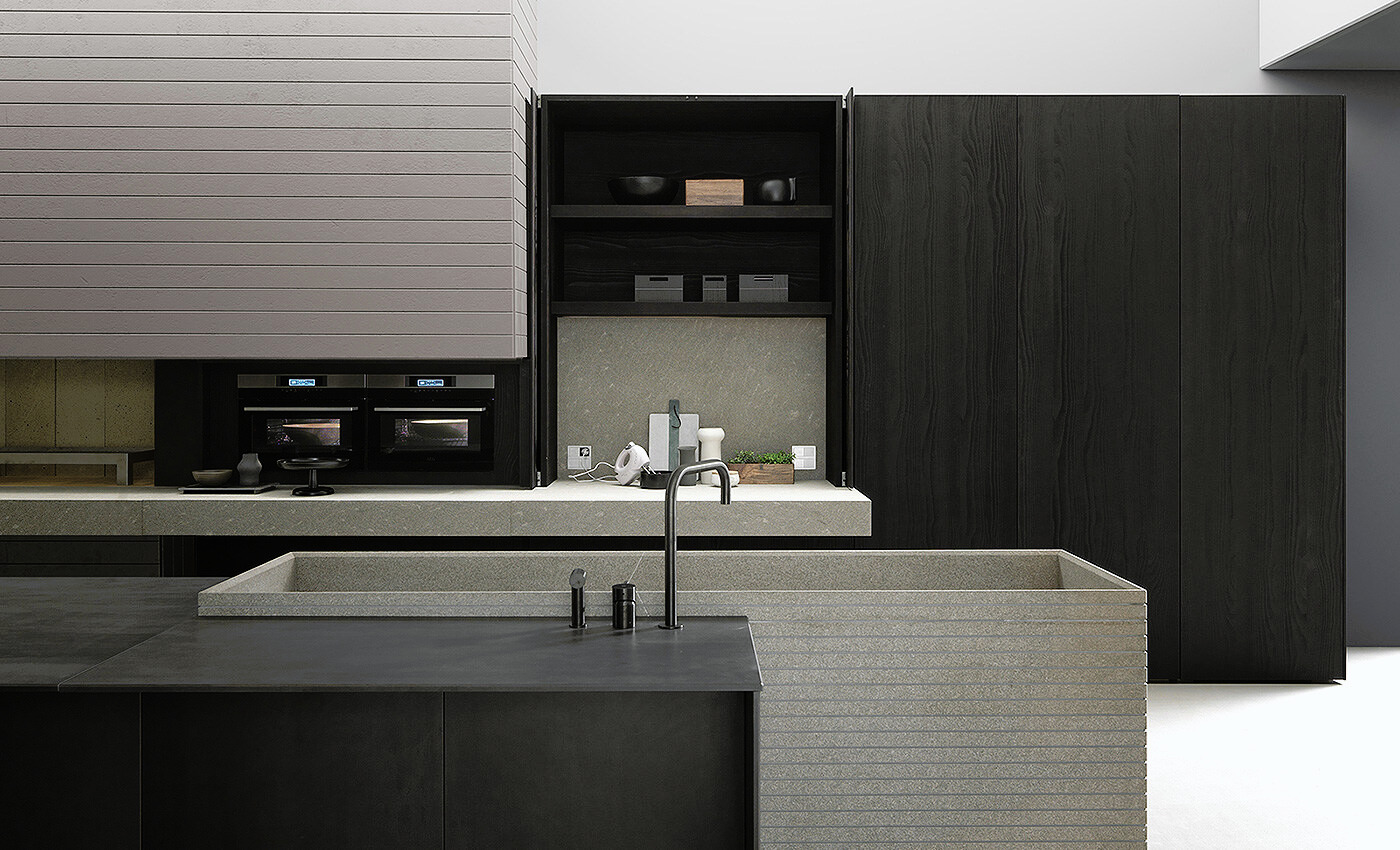
One of Modulnova's key principles is treating materials as architectural planes. Stone, natural veneer, metal and innovative composite materials serve as part of the kitchen's structural logic rather than as decorative elements.
According to the Statista 2025 analytical report, more than 72% of premium-segment kitchens in Europe use natural stone or high-tech stone composites.
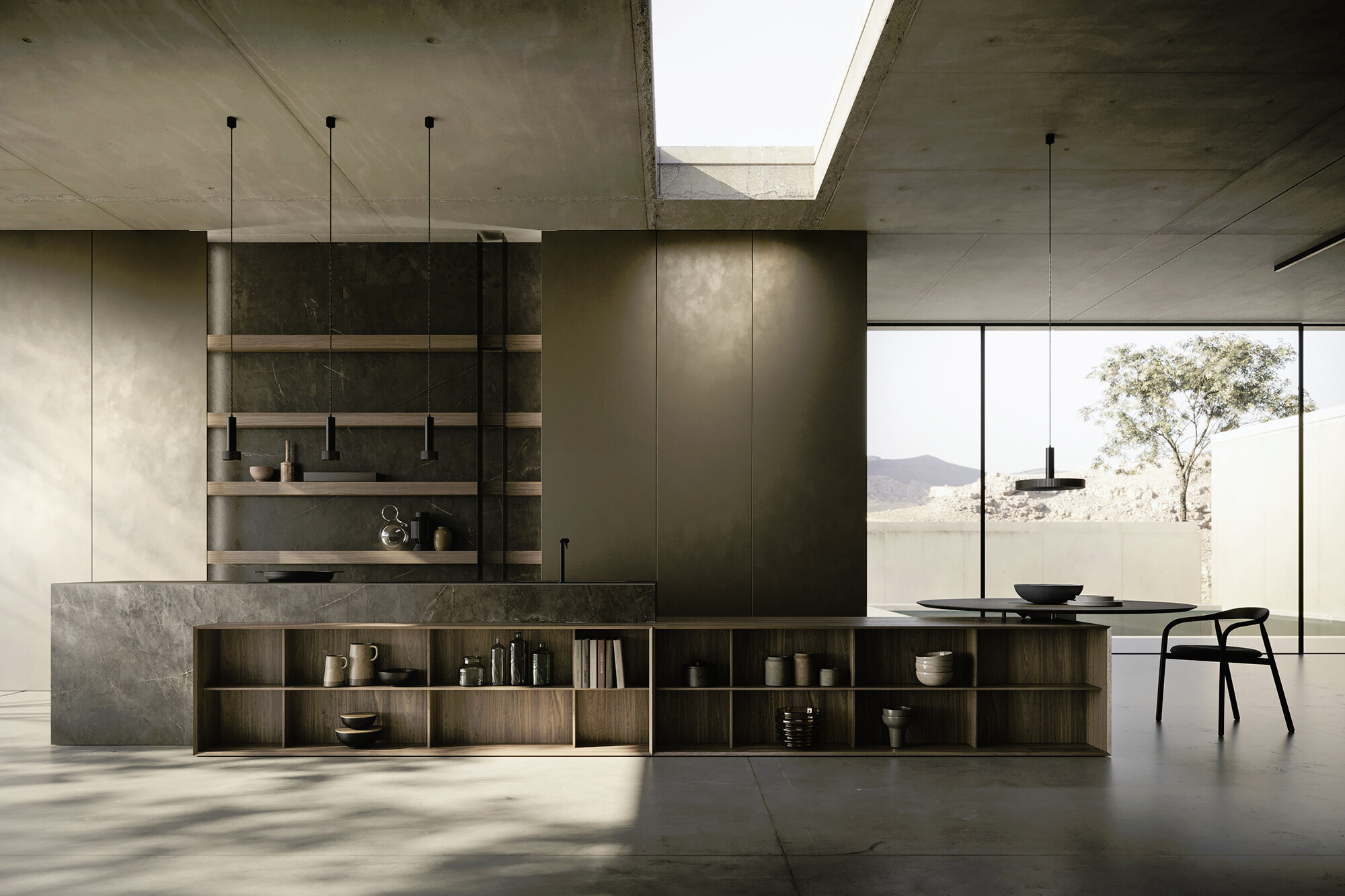
Modulnova collections include solid stone islands, large-format panels and monolithic countertops. The surfaces connect to create the visual impression of a single architectural volume.
Interior designers can therefore treat the kitchen as a complete compositional element of the space.
Minimalism and Engineering Precision
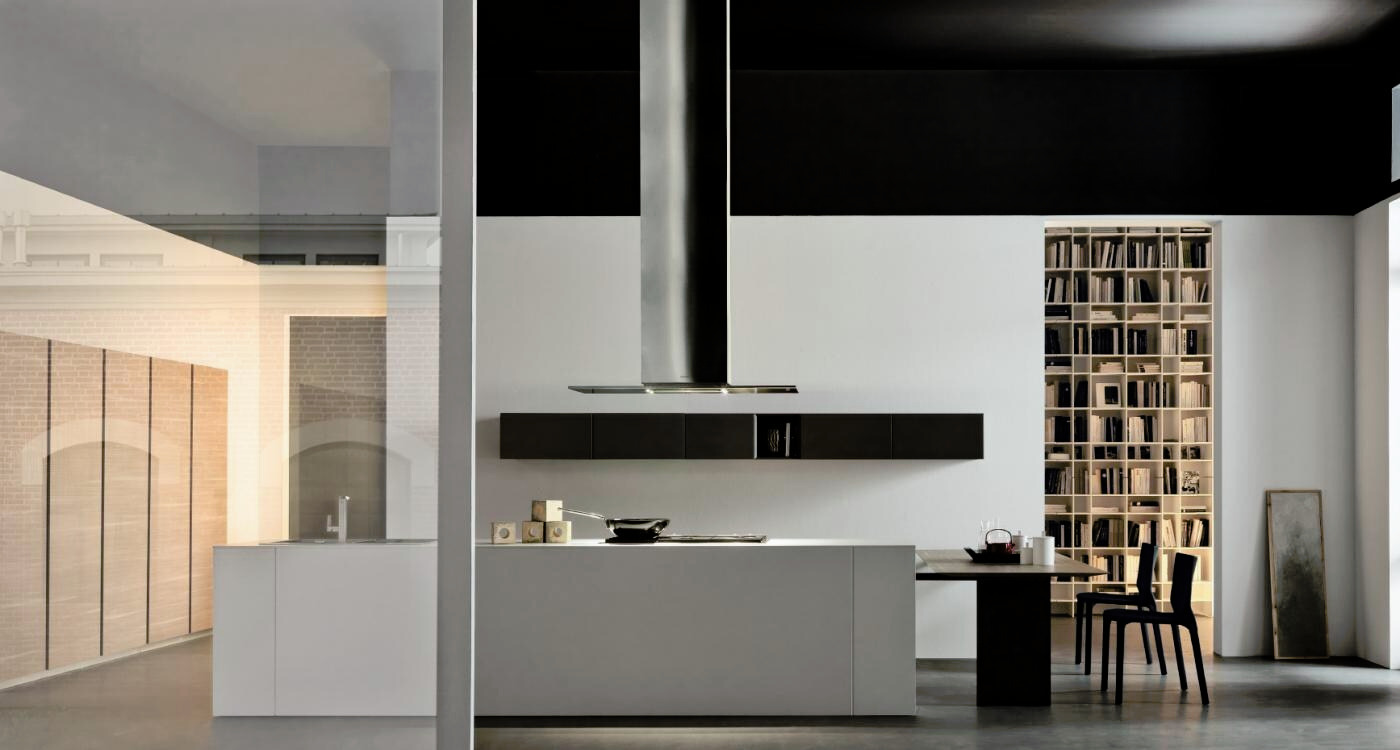
The minimalism demonstrated by Modulnova results from complex engineering work. Storage systems, opening mechanisms and integrated appliances remain concealed behind the concise facades.
According to the Italian Design Institute, a contemporary premium kitchen includes more than 120 different technological components that support ergonomics and functionality.
Dmytro Korotchuk, showroom director at Antonovych Home and an expert in premium furniture, emphasises:
"A minimalist kitchen requires extraordinary production precision. Every line and every gap between panels must be perfect. Architects value Modulnova kitchens for precisely this reason: the kitchens allow professionals to work with space at the level of architectural geometry."
Designers can create clean, almost sculptural compositions without visual clutter.
The Kitchen Island as the Centre of the Composition
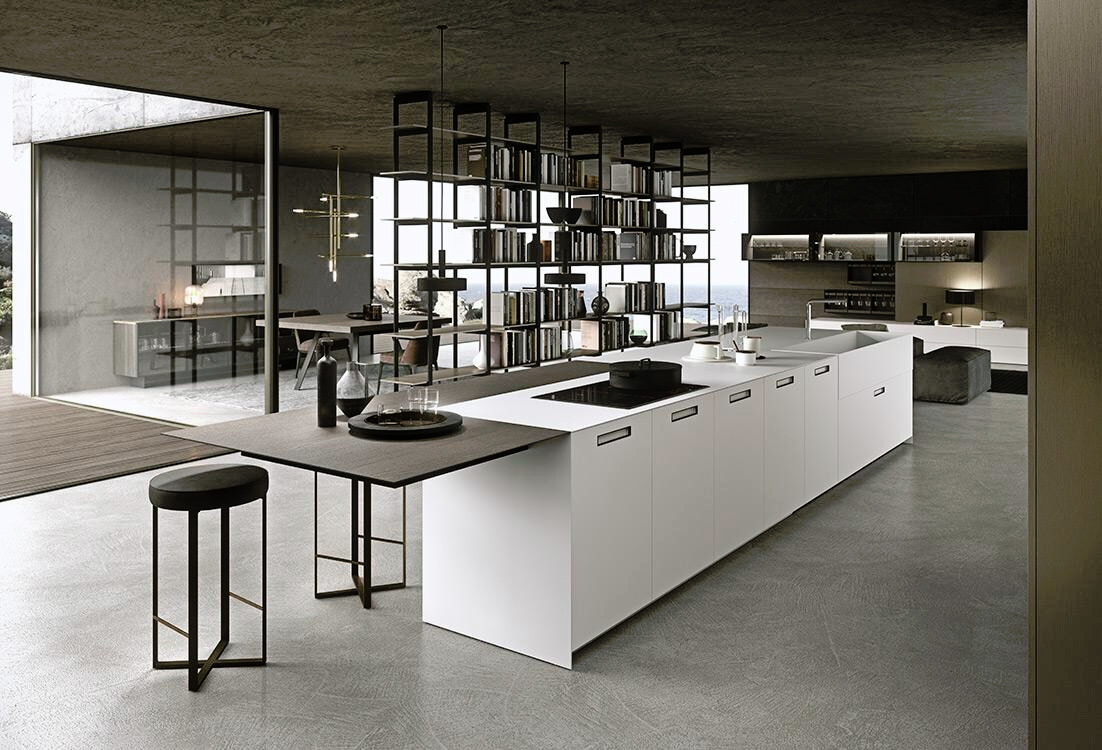
The island is one of the key elements of a Modulnova kitchen. The island performs a functional role and becomes an architectural centre of the space.
According to the Global Kitchen Design Trends 2025 report, 58% of premium kitchens are now designed around a large island measuring more than 2.5 metres in length.
Modulnova kitchens often use stone or composite materials to create the island as a monolithic volume. The element becomes the dominant feature of the space and establishes the interior's compositional axis.
Architects can build the space around one expressive element.
Integrating the Kitchen into Residential Architecture
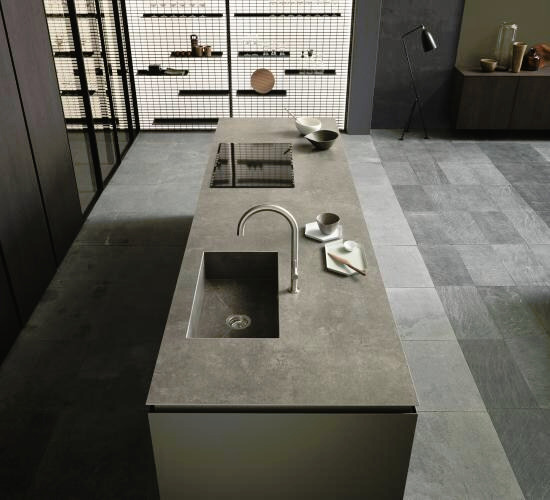
Contemporary residential spaces are increasingly designed according to an open-plan principle. The kitchen, dining room and living room combine into one architectural structure.
According to Euromonitor 2025, approximately 70% of premium apartments in Europe are designed with an open plan.
Modulnova responds to this trend by developing systems that integrate the kitchen into the interior. Options include concealed kitchens, panels that hide appliances, architectural niches and storage systems that visually continue the room's walls.
These solutions are especially relevant when creating premium furniture for interiors where the kitchen must integrate harmoniously with the living space.
Why Architects Choose Modulnova
Modulnova is now regarded as a reference point for architects and designers working in the premium interior segment.
According to the European Furniture Market Report, Italy accounts for approximately 30% of the global high-end furniture market. The architectural approach adopted by Italian manufacturers has become one factor behind this position.
Designers value Modulnova kitchens because the kitchens allow professionals to work with spatial volumes rather than furniture alone.
Premium furniture expert Dmytro Korotchuk notes that such brands are among the furniture brands recommended in professional circles for high-level projects. Architects and designers creating interiors for demanding clients therefore increasingly search for the best furniture in Kazakhstan and ask where to buy the best furniture in Astana.
Conclusion
Modulnova kitchens demonstrate how furniture can become part of spatial architecture. Monolithic forms, sophisticated material work and engineering precision allow the kitchen to serve as the compositional centre of an interior.
Svetlana Antonovych believes that solutions of this kind define the future of residential architecture because the kitchen becomes a space that shapes the home.
Premium furniture expert Dmytro Korotchuk also emphasises the importance of working with brands that can offer architects and designers an architectural system rather than furniture alone. Modulnova kitchens therefore remain in demand for high-level projects and rank among the solutions shaping the Italian premium furniture market and contemporary approaches to premium interior furniture.