
Paola Navone for Baxter: Five Pieces That Changed Leather Design
When Italian brand Baxter invited Paola Navone to collaborate, Baxter trusted intuition. The decision proved successful. Paola Navone does more than shape furniture: Paola Navone listens to materials. Leather becomes supple, living and seemingly marked by its own history in her interpretation. Five key objects created by Paola Navone for Baxter show how the designer shaped the brand's visual identity.
1. Budapest: the sofa that started everything
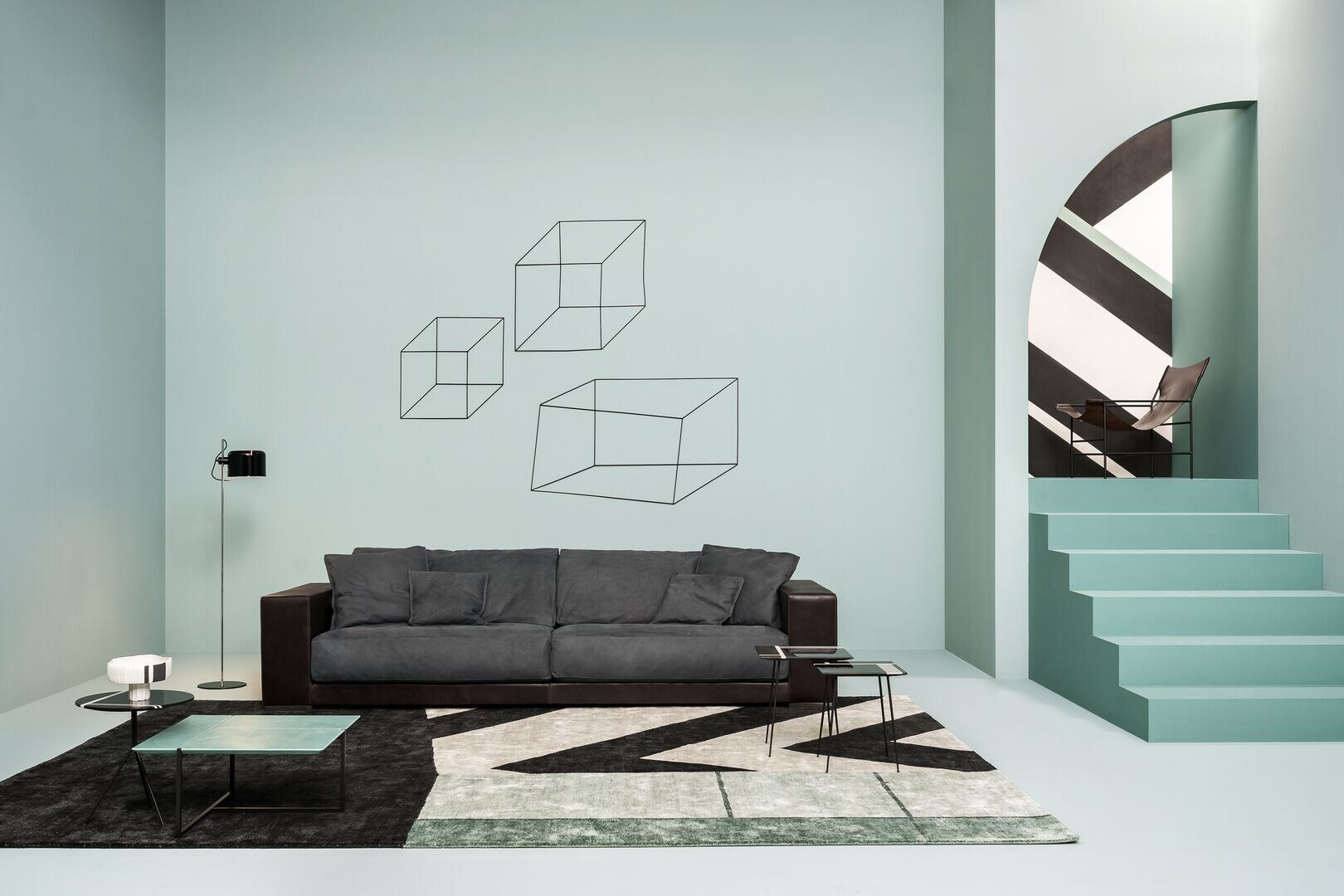
The Budapest model marked the beginning of Paola Navone's collaboration with Baxter. Budapest presents a direct interpretation of upholstered furniture. The design uses clear volumes, a defined seat and leather treated to preserve its natural texture, without decorative excess. The backrest and armrests sit slightly apart from the sofa body, creating a sense of lightness.
Budapest expresses Paola Navone's respect for imperfection as an aesthetic quality. Paola Navone often says that inspiration comes from mismatch, accidental shapes and traces of time rather than trends. Budapest quickly became a Baxter icon: restrained, expressive and tactile, Budapest showed that leather can feel warm and informal.
2. Miami Soft: modular freedom without clichés
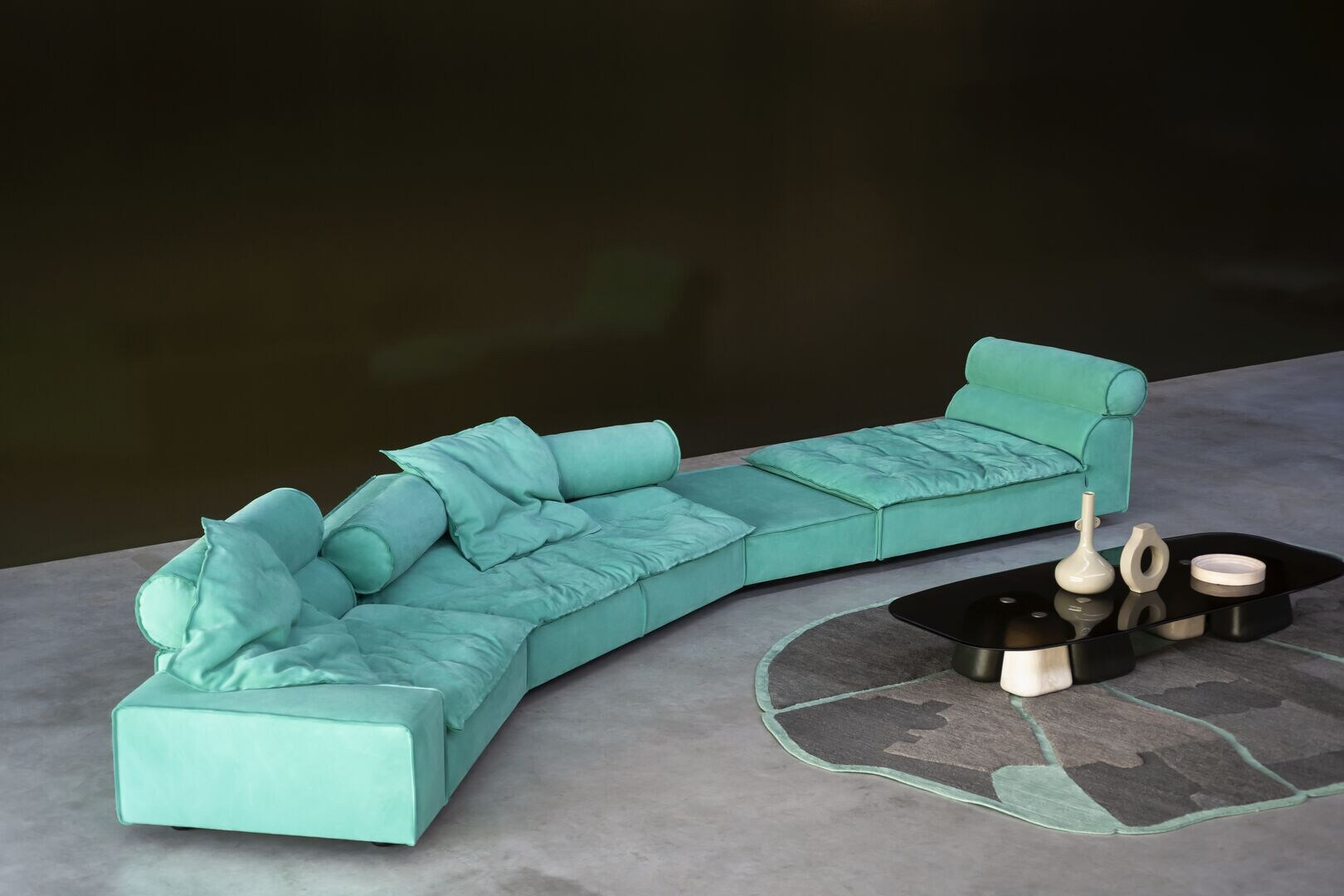
Miami Soft is a system rather than a single sofa. Paola Navone designed a flexible configuration with a low seat, removable cylindrical bolsters and deep sections. The components create both linear arrangements and island compositions.
Miami Soft reflects Paola Navone's view that design should feel relaxed without becoming careless. The design gives particular attention to soft, slightly creased leather in a complex colour palette. Miami Soft is made for everyday living rather than status display.
Paola Navone never studied traditional furniture design. Paola Navone trained as an architect, then devoted most of her career to product and interior design, combining discipline with strong intuition.
3. Casablanca: volume as a form of comfort
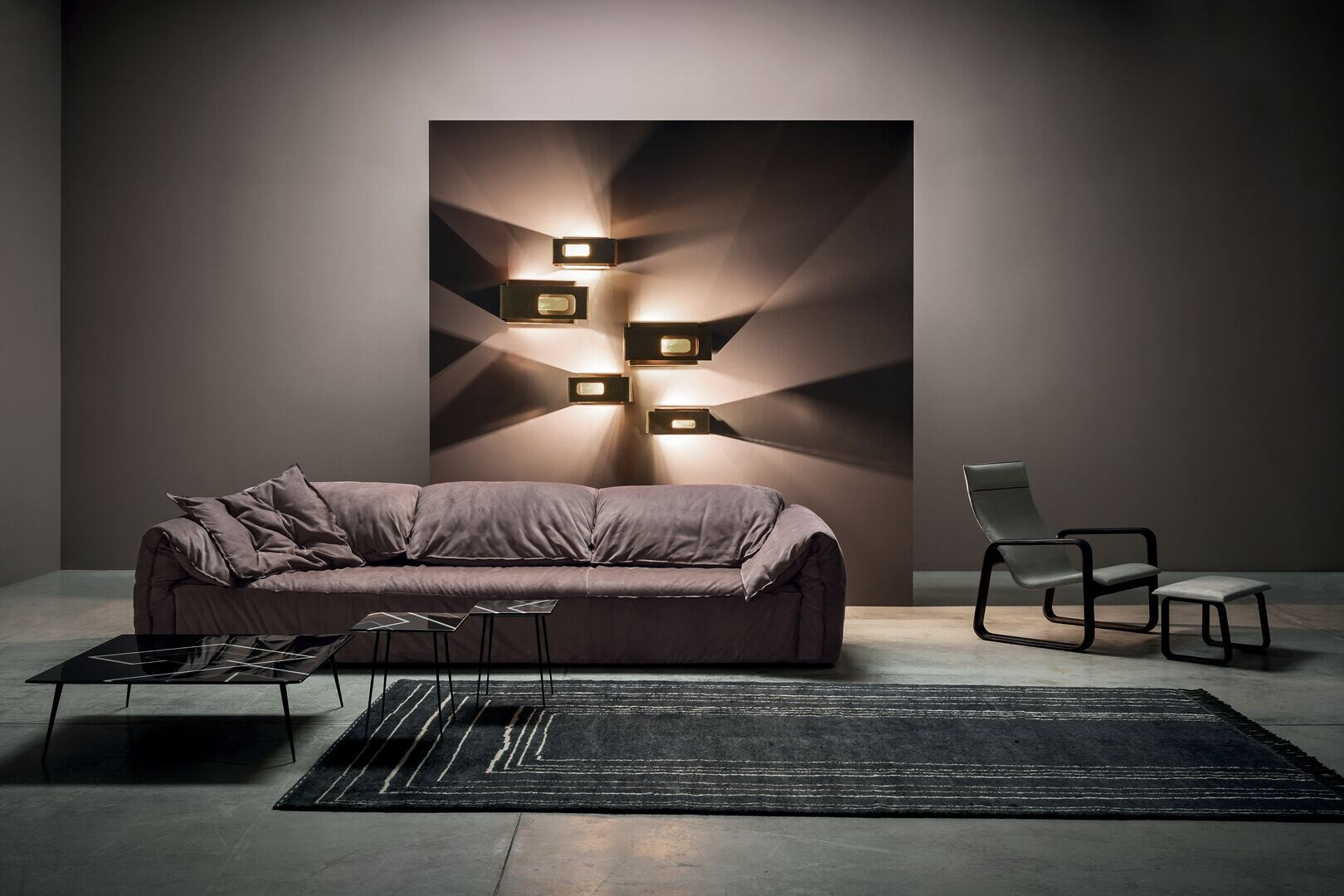
The Casablanca sofa ranks among the most expressive objects in Paola Navone's portfolio. The design has a hand-shaped quality, with rounded lines, soft curves and substantial visual weight. The apparent mass conceals great delicacy: the leather hangs with deliberate informality, while the cushions envelop the body like clay.
Paola Navone leaves structure visible in her work. Paola Navone values noticeable stitching and materials that speak for themselves. Casablanca follows that approach by presenting leather as living, flexible and authentic.
Before collaborating with Baxter, Paola Navone worked in Asia, including Hong Kong, where Paola Navone developed furniture and textiles with local craftspeople. Paola Navone says that this experience strongly influenced her appreciation for an unpolished aesthetic and natural materials.
4. Bruxelles: an armchair with character
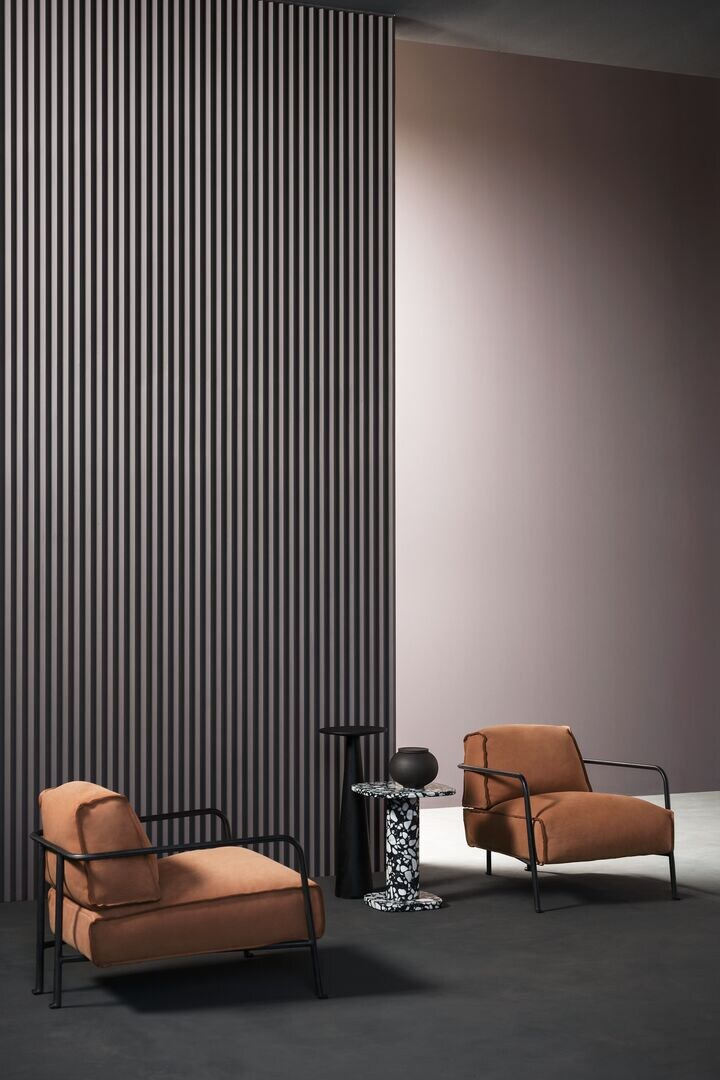
Bruxelles is more than an armchair. Bruxelles is a sculptural object that combines restraint with charisma. A deep seat, broad backrest and pronounced component thickness create an instantly recognisable silhouette. Paola Navone works with proportions as well as form, giving the armchair a substantial presence in a room.
Bruxelles suits minimalist interiors and more eclectic settings. The armchair maintains its presence in both environments and directs attention within the room.
Paola Navone joined the radical design movement Alchimia at the beginning of her career. Alchimia promoted furniture with an ironic and expressive character. That approach may explain the confidence of Paola Navone's furniture designs.
5. Panama Bold: a return to hand-crafted expression
Panama Bold belongs to the «Quaderno di Viaggio» collection, which Paola Navone presented for Baxter in 2024. Panama Bold is a modular sofa inspired by travel, with seats on low wooden platforms, backrests that resemble assembled upholstery pieces and complex layered textures.
Paola Navone again combines opposites in Panama Bold. A strict structure meets unpolished leather, while utility meets comfort. Panama Bold introduces a new direction in Baxter's aesthetic, with emphasis on sensation rather than form.
Paola Navone travels constantly. Paola Navone uses her laptop as a kind of object diary, recording textures, fabric fragments, building silhouettes and architectural details. The Quaderno di Viaggio collection translates that design mapping into furniture.
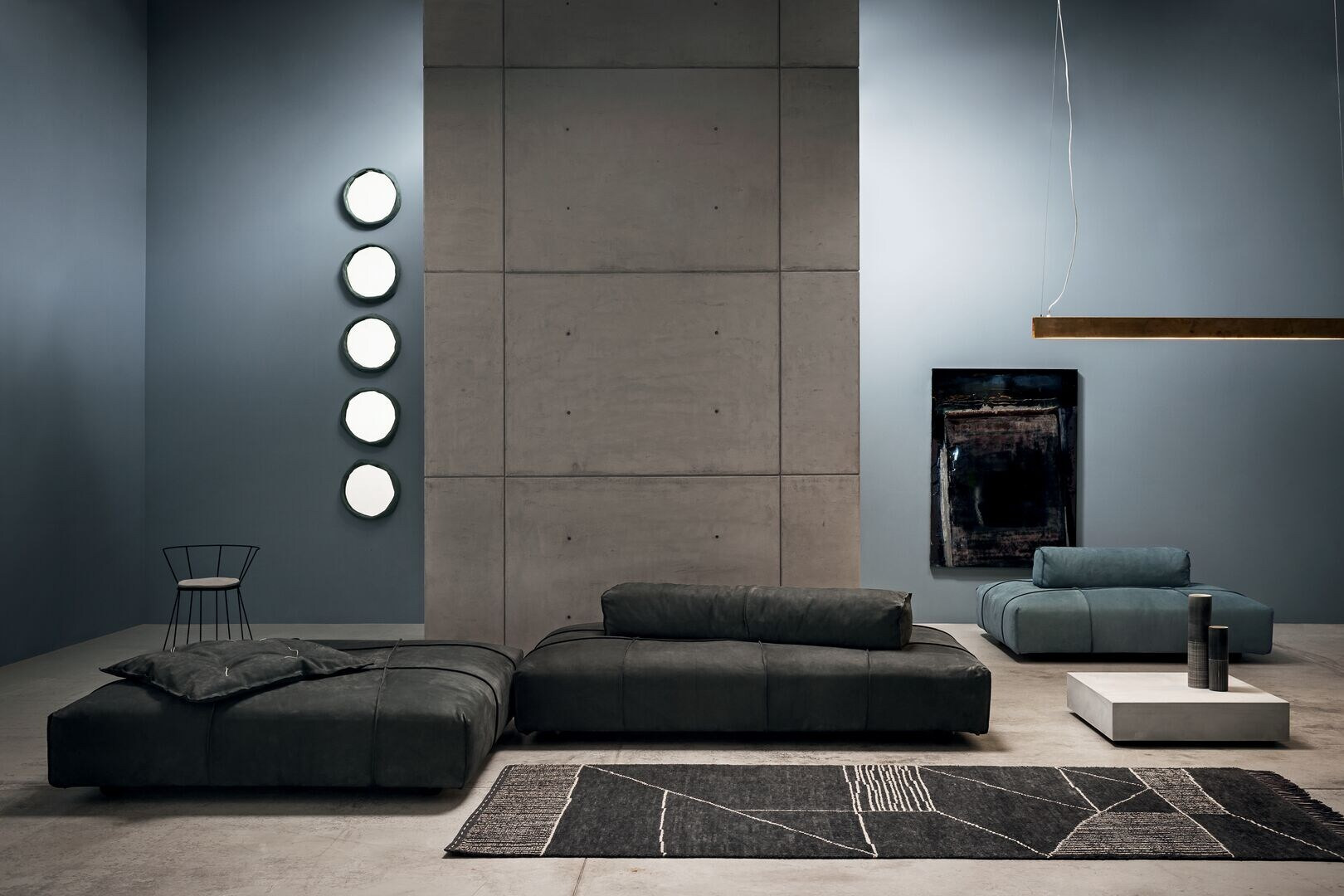
These five pieces represent more than furniture. These five pieces form a means for Paola Navone to connect with people who value material, form and personal touch. Paola Navone's work helps Baxter remain more than a leather furniture manufacturer, positioning Baxter as an active participant in global design discussion.
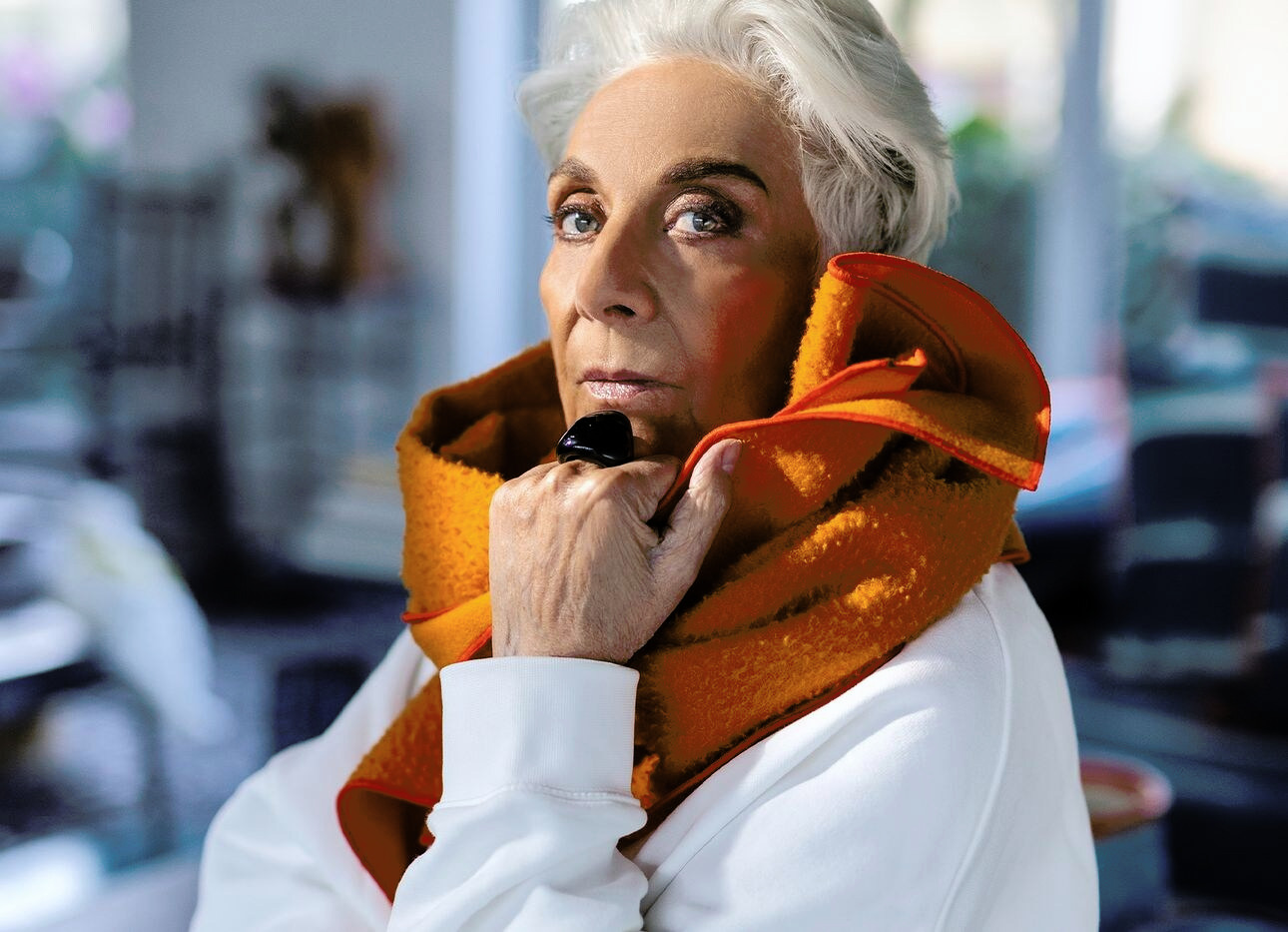
Paola Navone's central lesson may be to let materials speak and to accept imperfection. Personal style emerges through that approach.