
What to Prioritise When Furnishing an Interior
Interior furnishing today is not a final layer of decoration. Interior furnishing is a strategic decision that determines quality of life, property liquidity and the professional reputation of a project. Designers and architects face complex choices between aesthetics and engineering, speed and depth, visual impact and long-term value. The premium furniture market changes faster than established project templates. Selection criteria therefore require a new structure. This article examines what deserves priority when furnishing premium interiors for clients focused on a strong result rather than an attractive image alone.
Project logic before the brand
Over the past five years, the share of interiors where furnishing is planned at the concept stage has grown from 42% to 68% (SBID study, 2024). Furniture is no longer a final layer and has become an equal participant in architecture. Project logic means calculating the dimensions, rhythm, proportions and usage scenarios of each item before purchasing rather than adjusting the furniture after the fact.
Antonovych Home creative designer Svitlana Antonovych notes: “When furniture is not included in the project from the start, the interior begins to resist. The strongest solutions emerge when the layout, lighting and furniture work as one system rather than as a group of expensive objects.”
According to the McKinsey Design Index 2025, companies and private clients investing in an integrated architecture and furniture approach receive an average 17% higher property valuation at resale. The professional conclusion is clear: the primary priority is not the label but the integrity of the concept.

Construction quality matters more than visual impact
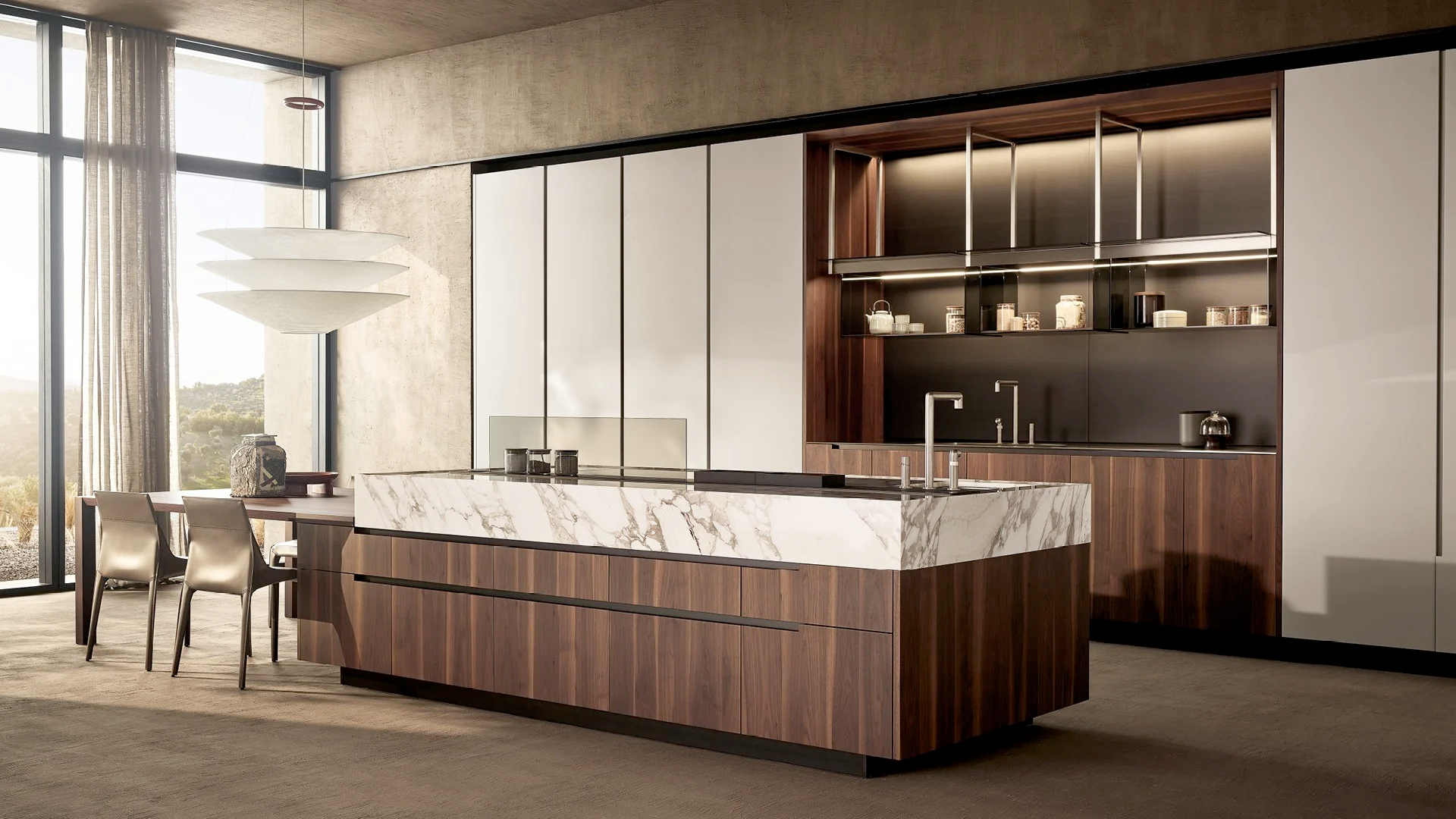
The Italian premium furniture market grew by 9.3% in 2025. The market also saw a rise in replicas and visually striking products with weak technical performance. According to a FederlegnoArredo report, around 28% of premium items sold online fail to meet stated standards for wear resistance and material sustainability.
Svitlana Antonovych emphasises: “Beauty is only the outer layer. Premium furniture requires attention to the inside of the product: how the frame is joined, how the hardware operates and how the fabric will perform after five years.”
Prioritising construction means choosing factories that invest in material research, testing and engineering solutions. Construction quality also affects a designer’s reputation. According to Houzz Pro 2024, 63% of clients return to the same specialists because of the quality of completed products rather than the project’s visual style.
Materials as a long-term investment
In 2025, 71% of premium furniture buyers in Europe said that material sustainability and provenance influence purchasing decisions (Bain & Company, Luxury Study 2025). The trend is gradually shaping the Kazakhstan market. Clients increasingly ask not only how a product looks but also what materials a product contains.
Dmitry Korotchuk, premium furniture expert and director of Antonovych Home, notes: “The finest furniture in Kazakhstan is not simply expensive furniture. The finest furniture uses carefully selected materials that age well. Natural stone, solid wood, high-quality veneer and fabrics with verified performance characteristics keep a product relevant for decades.”
Deloitte research from 2025 shows that products made from high-quality natural materials retain up to 60, 70% of their value after 7, 10 years. Products made from budget substitutes can lose up to 90% of their value. Material selection therefore supports the project’s long-term stability.
The brand as a carrier of culture, not just a logo
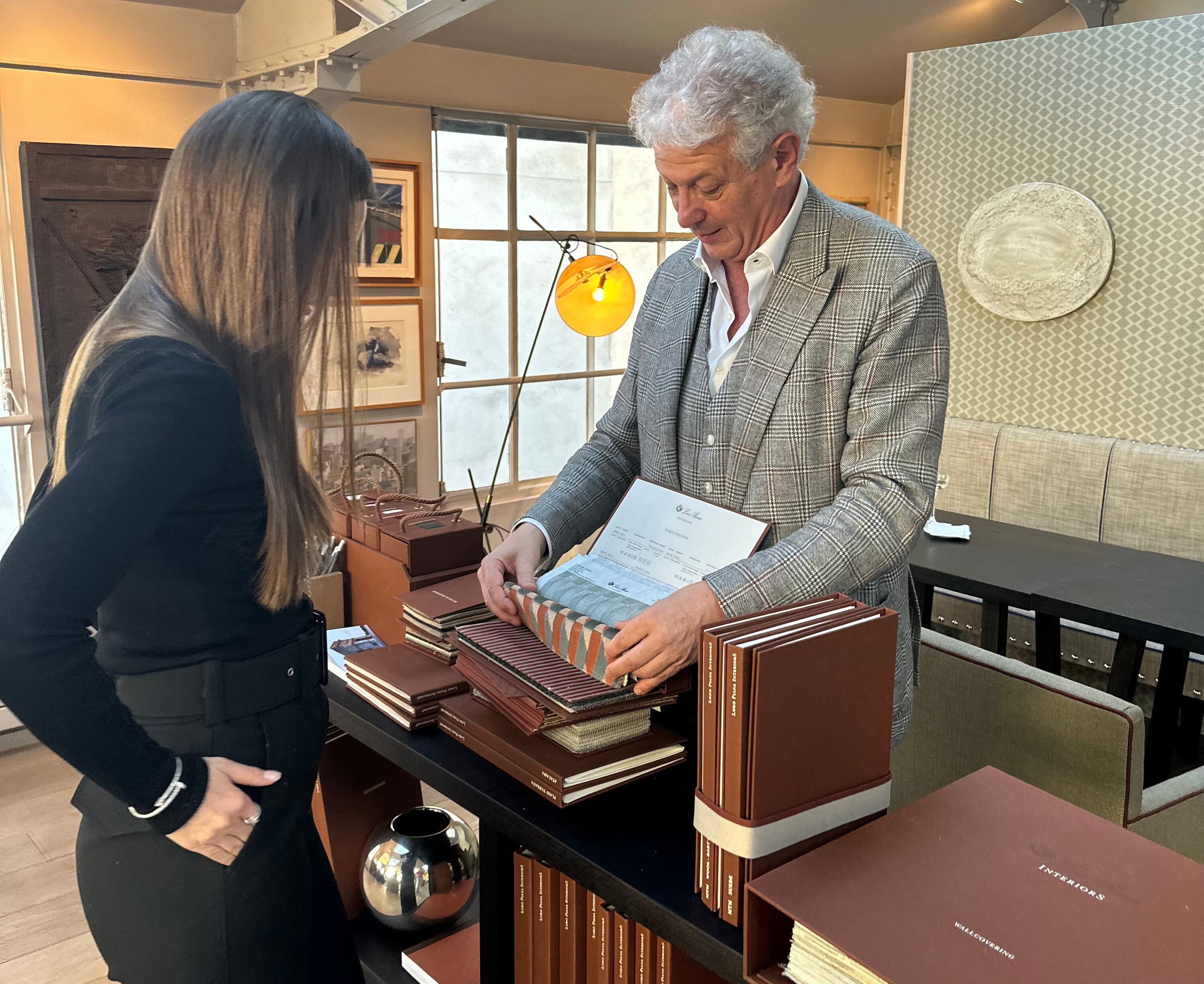
Designers searching for where to buy premium furniture in Astana need more than product availability. Designers also need access to the brand’s expertise. Leading furniture brands in Kazakhstan represent an ecosystem of knowledge, services and warranties rather than a list of factories alone.
According to Euromonitor 2025, 54% of professional buyers in the premium segment choose suppliers based on the quality of consultation rather than assortment alone. Leading furniture showrooms in Astana now act as project partners. Showrooms assist with technical drawings, samples, logistics and after-sales support.
Prioritising a brand as a cultural code means working with recommended furniture brands that have a clear design philosophy, history and consistent quality. The approach reduces professional risk and strengthens client trust in the project.
Ergonomics and living scenarios matter more than trends
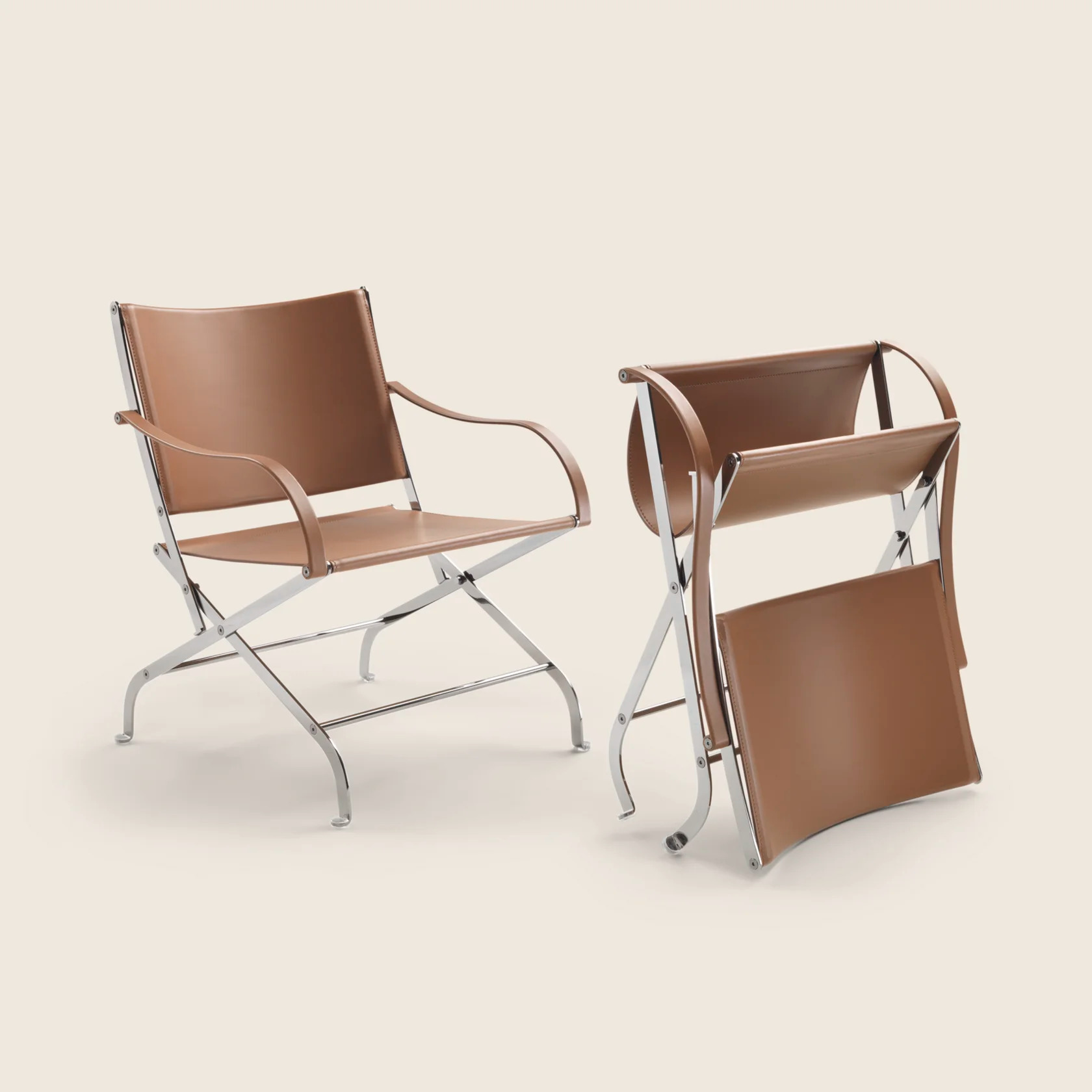
Design trends change every 18, 24 months, but human physiology does not. A 2025 Herman Miller study found that correctly selected ergonomic products increase interior satisfaction by 34% and reduce furniture complaints by 41%.
Prioritising ergonomics means considering seat depth, worktop height, angles of inclination and the tactile properties of materials. Ergonomics is especially critical in premium interiors, where comfort must make as strong an impression as aesthetics.
Architects and designers therefore need to view furniture as a tool for living rather than as an object alone. Furniture planning should consider how people sit, work, rest and communicate. Strong projects use products that are attractive and intuitively comfortable.
Long-term partnership instead of a one-off purchase
The global market for leading furniture brands is increasingly moving from one-off sales towards long-term cooperation with designers and studios. According to the Capgemini Luxury Report 2025, 48% of premium brands already offer tailored professional programmes. Programmes include exclusive terms, customisation and access to limited collections.
Prioritising partnership means working with showrooms and factories that understand the requirements of project-based business. The choice of where to buy premium furniture in Astana therefore also means choosing a strategic project ally.
Long-term cooperation reduces the risk of missed deadlines, simplifies communication and improves the quality of the completed project for designers.
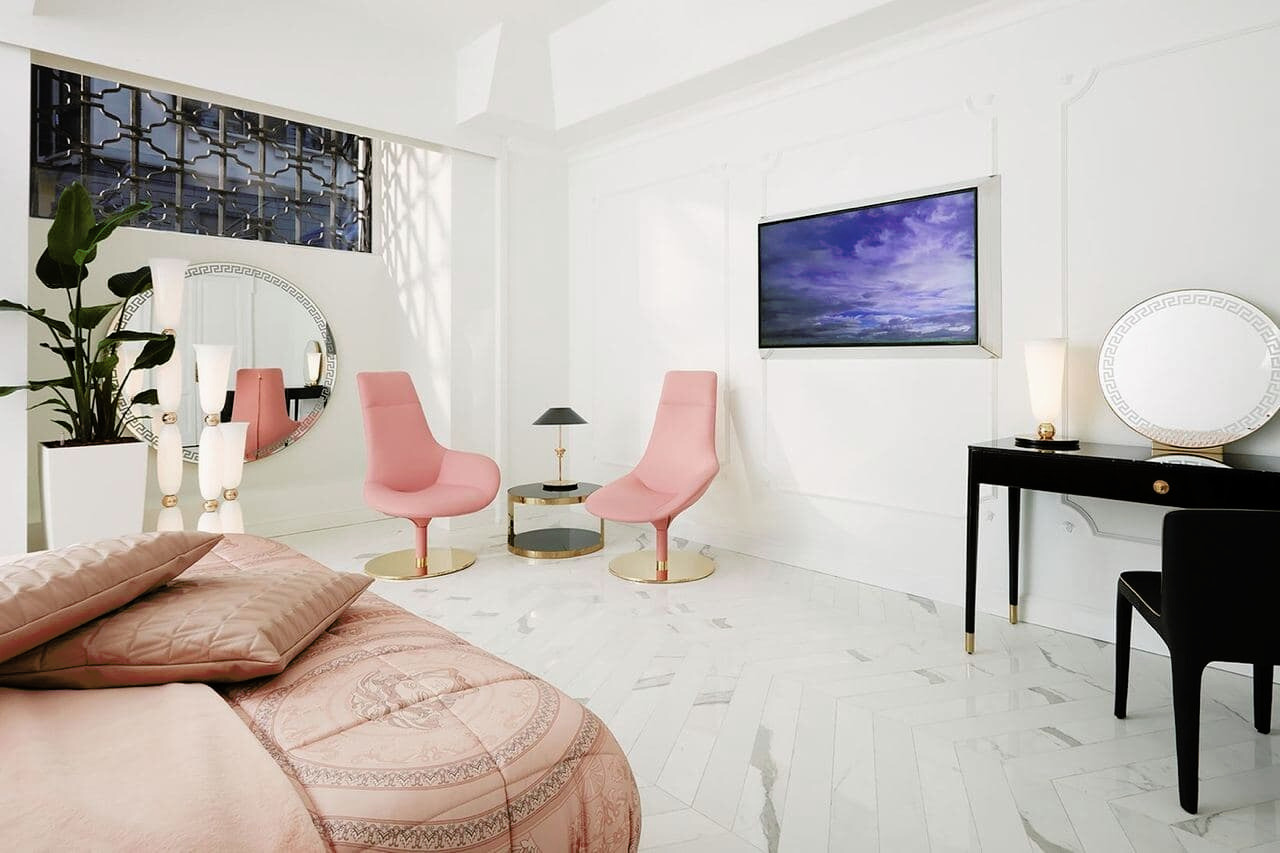
What truly deserves priority
Interior furnishing requires balance between concept, quality, materials, brand, ergonomics and partnership. A focus on visual impact or a famous name alone no longer works in the modern market.
According to the World Design Organization 2025, projects where furniture is integrated into the architectural concept from the outset receive an average of 22% more professional awards and publications. The result directly affects a studio’s reputation.
Svitlana Antonovych summarises: “We prioritise not individual products but the integrity of the space and its honest relationship with the person.”
Premium furniture expert Dmitry Korotchuk adds: “Italian premium furniture and leading furniture showrooms in Astana are only tools. True value appears when a designer consciously chooses products that will live with the client for decades.”
Antonovych Home follows a philosophy based on quality, meaning and long-term value. The showroom supports clients searching for premium furniture in Kazakhstan and professionals furnishing premium interiors to international standards.