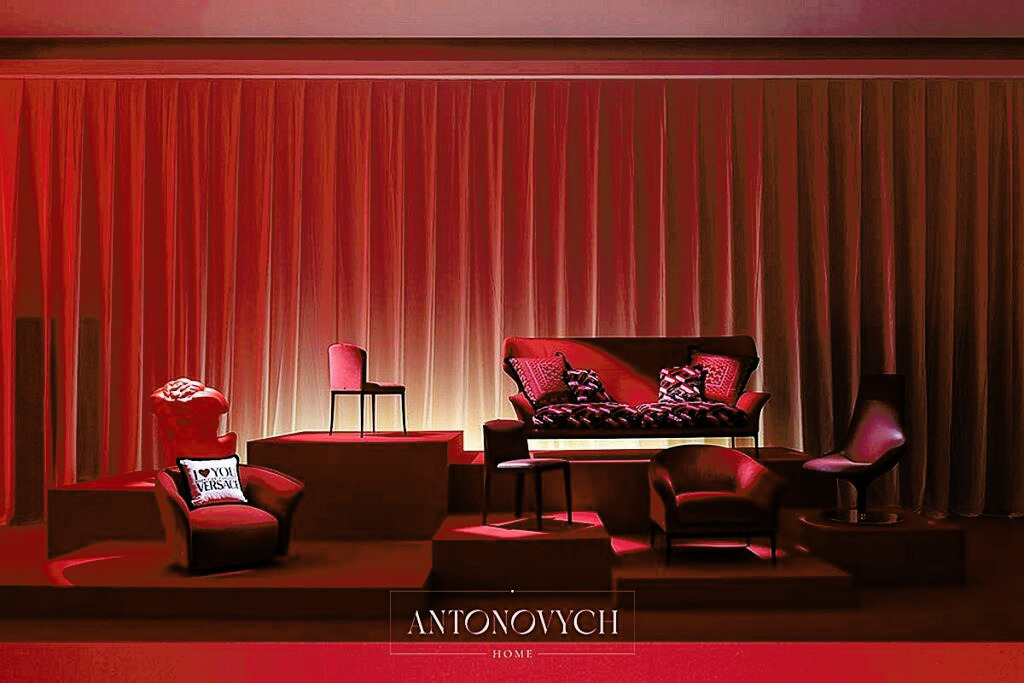
Rebellious Elegance: How Breaking Form Creates New Elegance
When traditional forms and design conventions move into the background, innovation, unexpected solutions and genuine rebellion can shape the world of furniture. This article examines how breaking familiar standards creates refined, elegant forms that bring fresh energy to interior design. Unexpected forms can become a source of new trends in Italian furniture. Discover how design courage becomes true art.
Breaking Symmetry: Finding Asymmetric HarmonySymmetry has long served as one of the foundations of classic design. Recent trends show that asymmetry is not a defect but an opportunity to create unique, organic forms. Italian designers increasingly use asymmetric lines to create furniture that looks new and provokes emotion by challenging familiar ideas of harmony. Each object can become an individual accent within an interior.
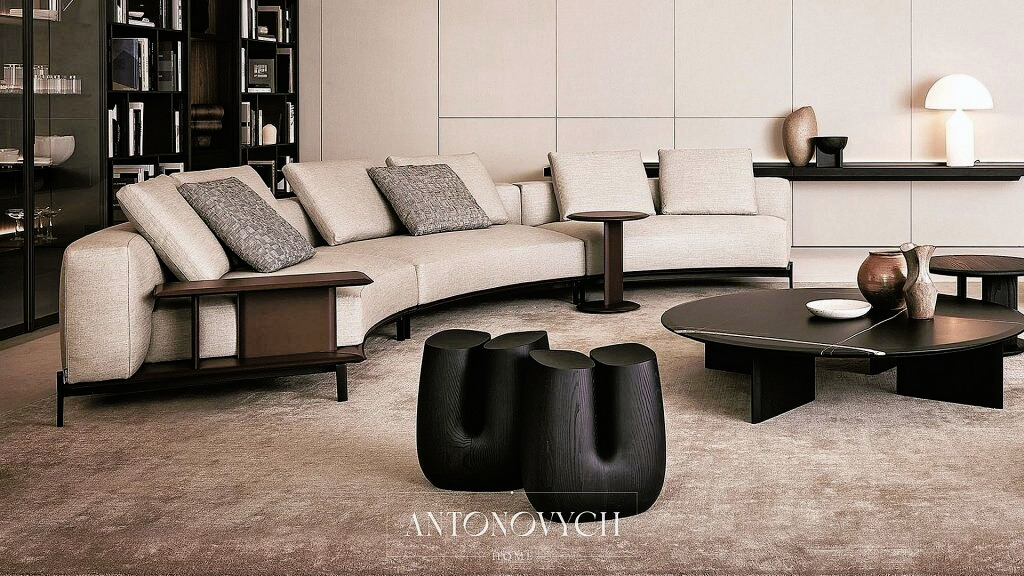
When designers move beyond traditional dimensions and forms, furniture can become more than functional equipment and take the role of art. Large furniture pieces, including oversized armchairs, can change the perception of space and introduce surprise and playfulness. Large-scale design challenges standard expectations and turns furniture into more than an interior object.
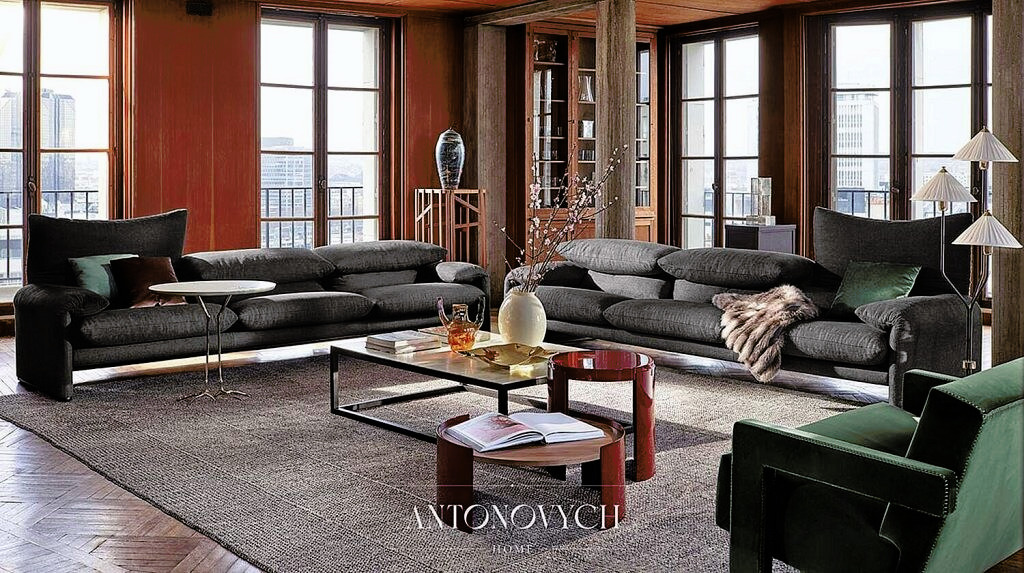
Materials once considered unsuitable for high-end furniture now provide a foundation for innovative design. Wood with natural cracks, stainless steel, concrete and recycled materials challenge established stereotypes and give furniture an organic, contemporary roughness. Non-standard materials can express elegance and become symbols of modern design.
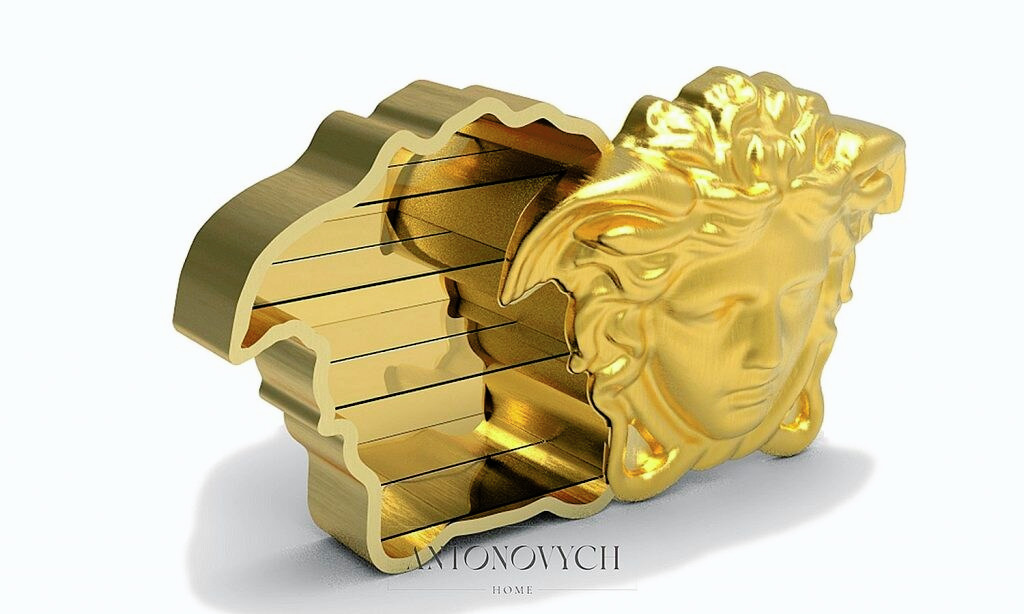
Furniture is no longer tied to one place or function. Transformable furniture challenges the standard idea of permanent interior elements. Armchairs, tables and shelving units can change form and purpose according to the situation, giving new furniture pieces elegant movement and the ability to integrate into different spaces.
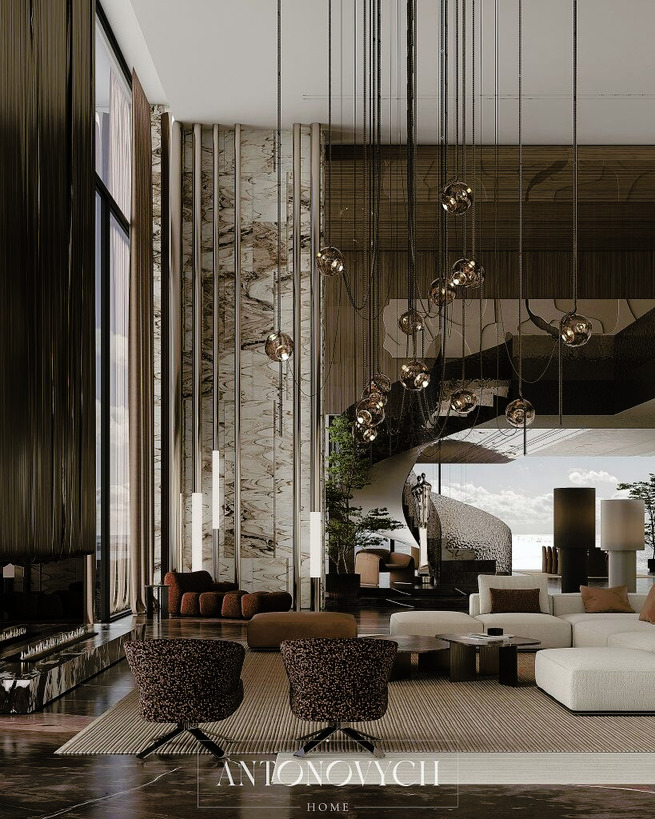
Geometry has long formed the basis of modern design. Traditional geometric forms are now broken apart and combined, producing new concepts that challenge familiar ideas about proportion and contour. Bold, sometimes abstract forms create furniture that does more than decorate a space and can establish new trends.
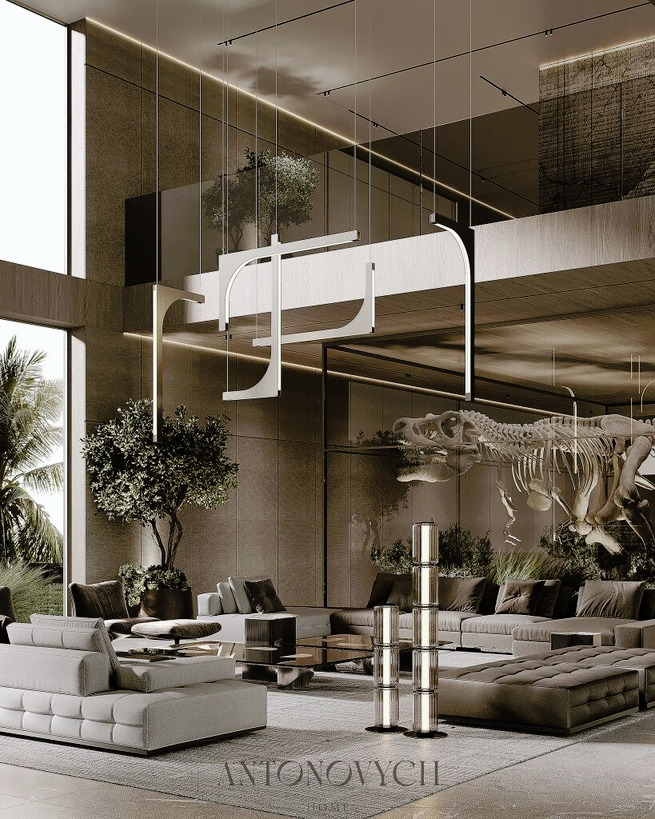
Furniture based on contrasts in materials, colours or forms creates an unusual sense of tension within an interior. Contrasting design stages a form of struggle between opposites, giving objects movement and energy. Such elements become more than accessories and serve as central accents within an interior.