
Water Design: Gessi in Contemporary Interior Practice
In 2025, Gessi is increasingly viewed as an architectural project system rather than a sanitaryware manufacturer. Production scale, a defined sustainability strategy, designer collaborations and the development of wellness scenarios place the brand beyond contract design. This article analyses why Gessi is relevant now and how market statistics support the brand’s position in professional interior practice.
From Factory to Industrial Platform
The global sanitary equipment market is valued at USD 36, 42 billion in 2025, while bathroom sanitaryware accounts for a significant share and continues to grow steadily. The luxury sanitaryware market is reaching approximately USD 22 billion, confirming a shift in demand towards premium solutions with architectural intent.
Against this background, Gessi operates as a large-scale industrial manufacturer with full-cycle production and quality control. The model suits complex projects that require scalability, repeatable finishes and reliable supply.
Sustainability as Part of the Technical Brief
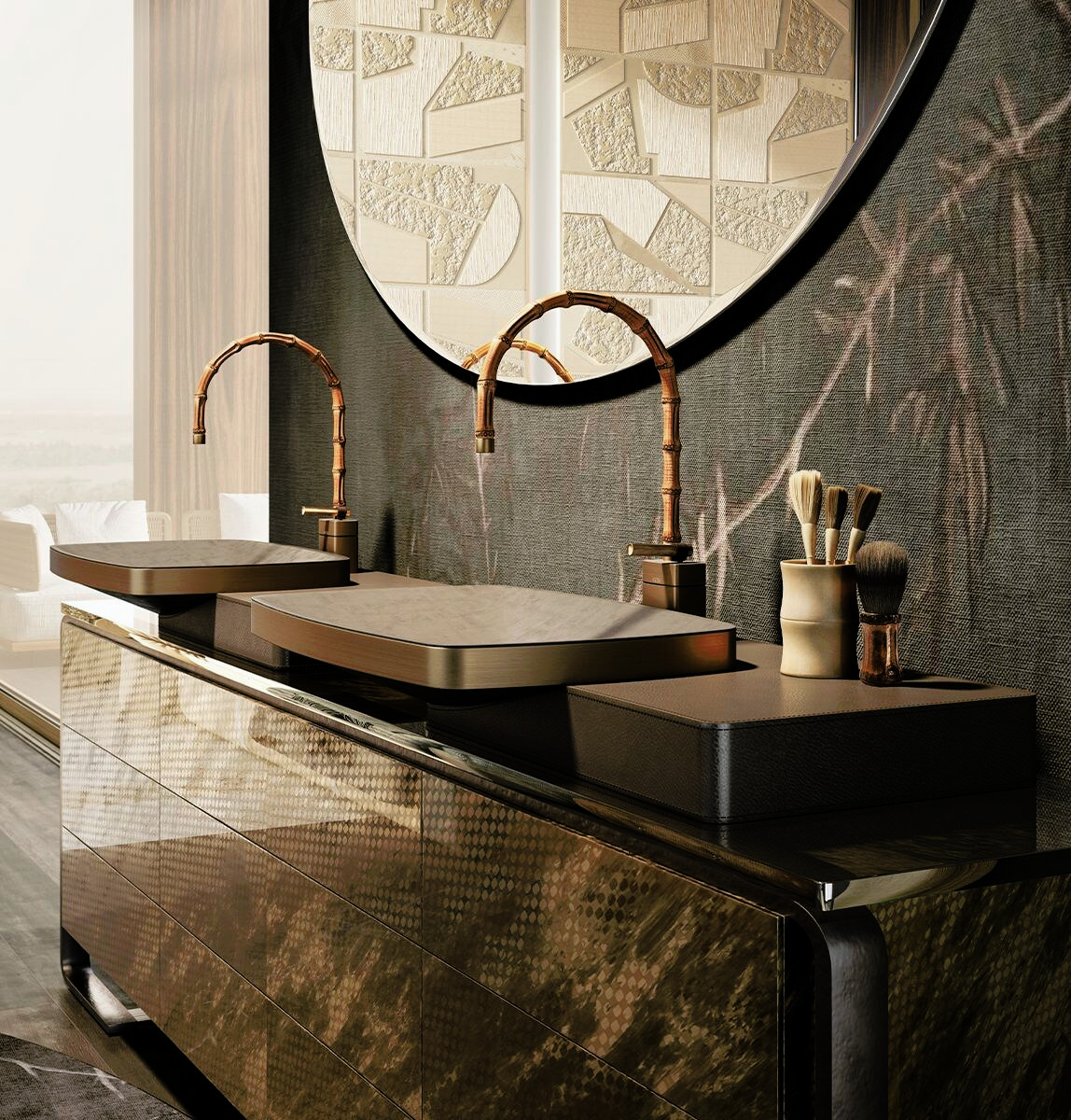
In 2025, environmental parameters are no longer optional: industry data indicates that more than 60% of development and hospitality projects address water conservation and sustainability at the concept stage. The sanitaryware market correlates directly with green standards, while manufacturers that document environmental performance receive priority in specifications.
Gessi follows this approach by recording sustainability through reporting and engineering data rather than advertising language. The documentation makes the brand suitable for projects pursuing LEED and BREEAM.
Collaborations as a Sign of Architectural Quality
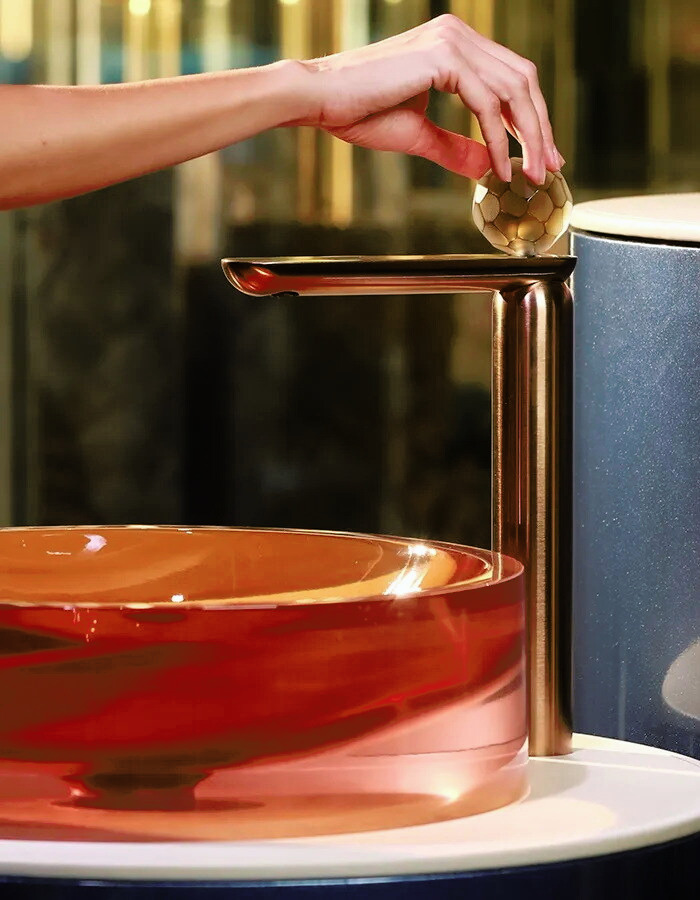
In 2025, the premium segment is increasingly assessed through a brand’s intellectual capital rather than assortment breadth. Market research shows that approximately 70% of architectural and interior design practices in Europe and North America prefer brands working with original design and architectural collaborations.
Gessi collaborations with Ludovica + Roberto Palomba, Yonoh and Kengo Kuma demonstrate a shift in sanitaryware design. Sanitaryware becomes part of a spatial language in which form, material and the ritual of using water are designed together.
Technology Designed Around User Scenarios
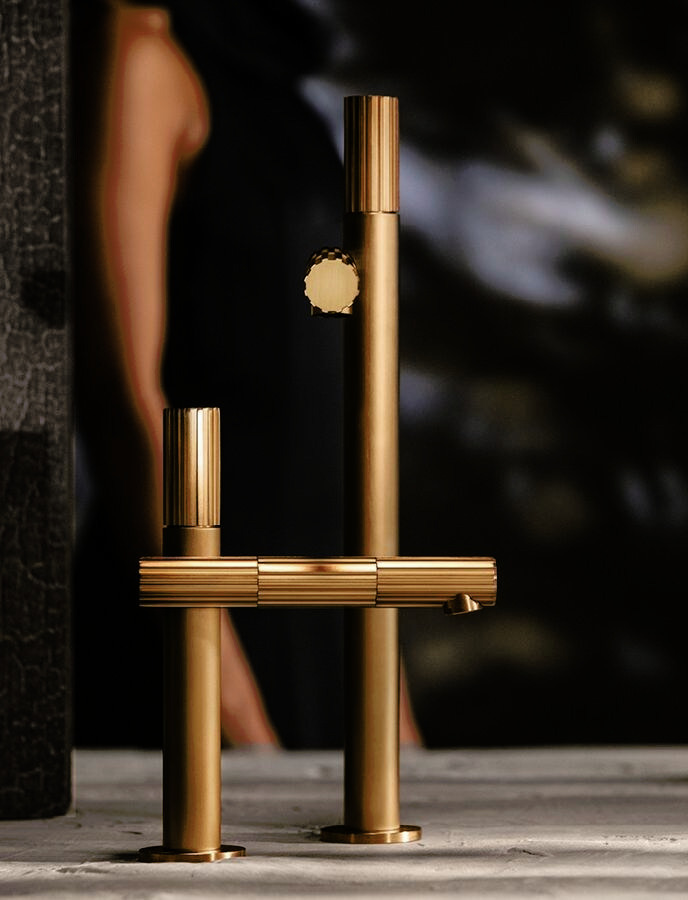
The smart sanitaryware and fittings market is growing at an accelerated rate in 2025. Industry estimates place the compound annual growth rate for smart solutions and sensor systems at approximately 6%, confirming sustained demand for scenario-based and hygiene technologies.
For Gessi, the approach appears in the development of Private Wellness: shower systems, sensor controls, and integrated temperature and fragrance scenarios. The bathroom becomes a process rather than simply a room, changing the designer’s approach to planning.
Materials and Finishes as a System, Not Decoration
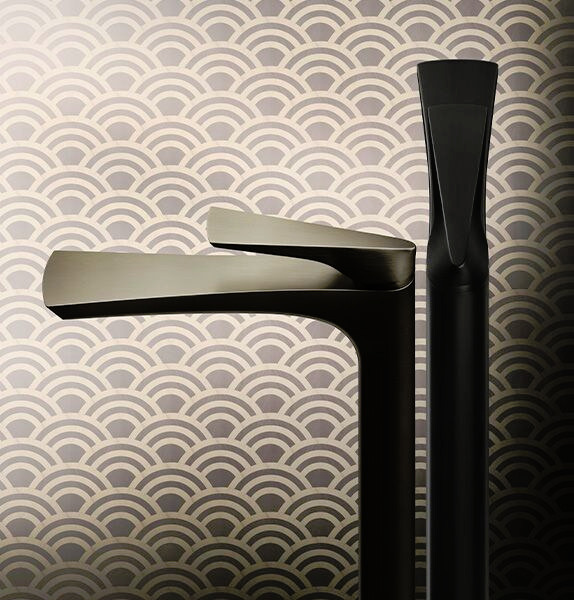
In 2025, approximately 40, 60% of premium sanitaryware products compete through materials and surfaces, including PVD coatings, complex metal tones, matte finishes and tactile textures.
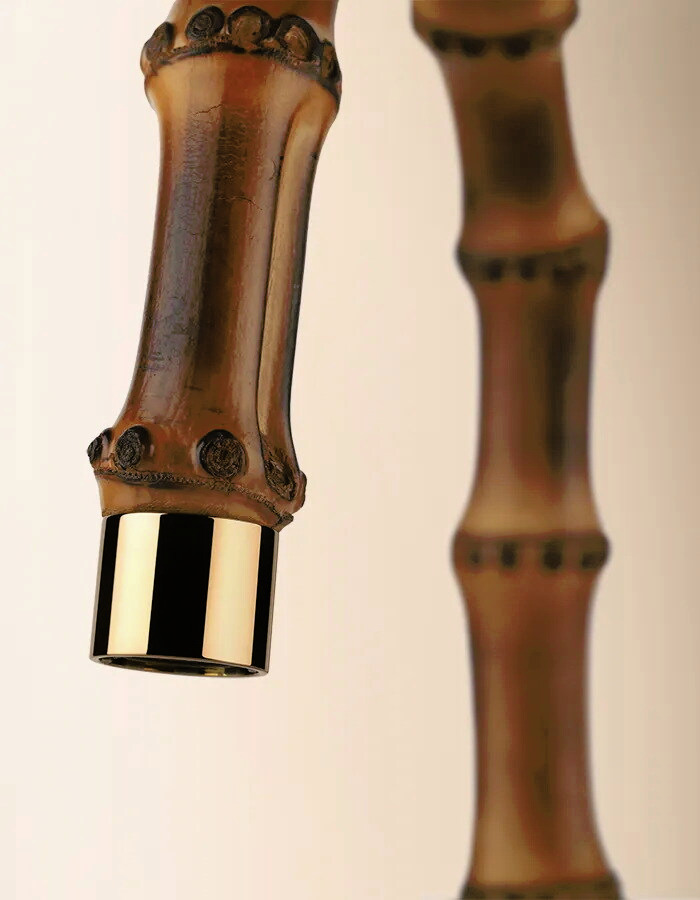
Gessi uses the trend as an integration tool rather than a decorative device. Sanitaryware enters into dialogue with furniture, stone, joinery and lighting, reducing visual conflicts and supporting interior design as a unified material environment.
Commercial Logic and Project Support
The global bathroom renovation and reconstruction market is valued at more than USD 400 billion in 2025, highlighting activity among private and commercial clients. Brands that support projects with services as well as products gain an advantage in these conditions.
Gessi works with professionals through project programmes, customisation and technical support. The approach reduces implementation risks and makes the brand a practical tool for complex specifications.

Local Presence as a Factor in Project Confidence: Gessi at Antonovych Home, Astana
In 2025, physical brand presence is becoming critical because designers and architects increasingly make decisions after working with physical samples. Gessi’s presence at the Antonovych Home showroom in Astana follows this logic as part of professional project infrastructure rather than a display alone.
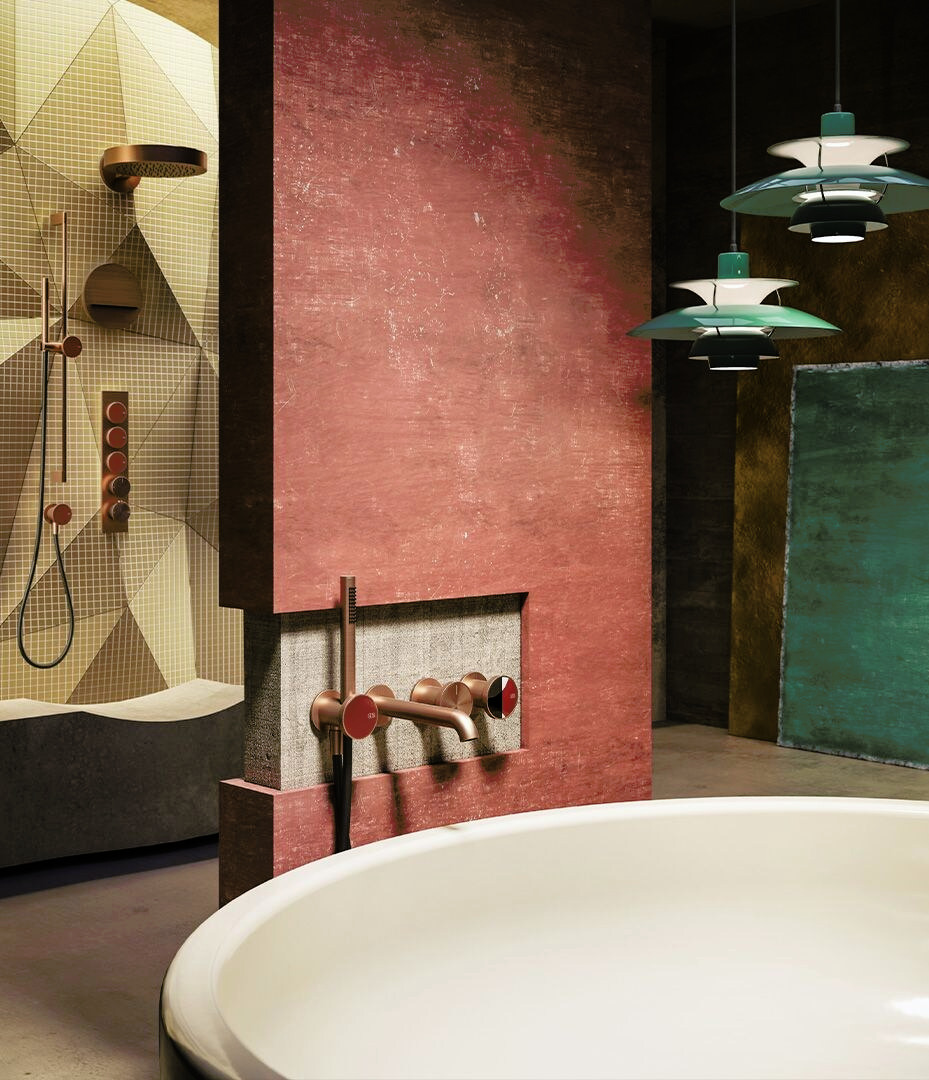
Kazakhstan’s premium interior market is growing in the private residential and hospitality segments. Gessi’s selection for the Antonovych Home portfolio reflects the shift towards brands with architectural precision.
Dmitry Korotchuk, Director of Antonovych Home:
«We chose Gessi not as beautiful sanitaryware, but as a brand with architectural thinking. Our priority is a product that can form part of a concept rather than adapt to a concept at the last moment. Gessi combines scale, engineering culture and material expertise in a way that matches our work with designers and architects».
Statistics for 2025 clearly show that sanitaryware is no longer a final interior element and is increasingly becoming a project system. Gessi maintains this position through industrial scale, sustainable practices, architectural collaborations, scenario-based technologies and local professional presence.
For an interior designer, working with Gessi means choosing an architectural solution rather than selecting an isolated product. The decision influences spatial structure and the logic of interaction with water.