
Fumie Shibata

Fumie Shibata is a leading figure in contemporary Japanese design. Fumie Shibata creates a distinct visual language based on simplicity, tactility and close attention to everyday human experience. Fumie Shibata's approach extends beyond formal aesthetics: the designs engage the senses through quiet presence and intuitive perception.
Education and early career
Fumie Shibata was born in Japan and studied industrial design at Musashino Art University, one of the country's leading art universities.
After completing her studies, Fumie Shibata worked in product design. Fumie Shibata founded her own studio, Design Studio S, in 1994. Design Studio S became a platform for collaborations with international brands and technology companies.
Design philosophy
Fumie Shibata's central principle is to create objects that do not dominate a space but fit naturally into it.
Fumie Shibata's work is defined by:
soft, rounded forms
the absence of visual noise
intuitive ease of use
attention to tactile experience
Fumie Shibata places people and their interaction with objects at the centre of her approach. Good design should not require effort to understand. Good design should feel obvious.
Fumie Shibata often discusses the importance of “invisible quality”. Invisible quality describes an object that attracts no unnecessary attention but becomes an indispensable part of everyday life.
Key areas of work
Fumie Shibata works across several design fields:
industrial design
interior objects
lighting
electronics and household appliances
medical and technology products
Fumie Shibata has collaborated with several international companies. The collaborations include mass-market products and design objects with a strong authorial identity.
Work with light and BROKIS
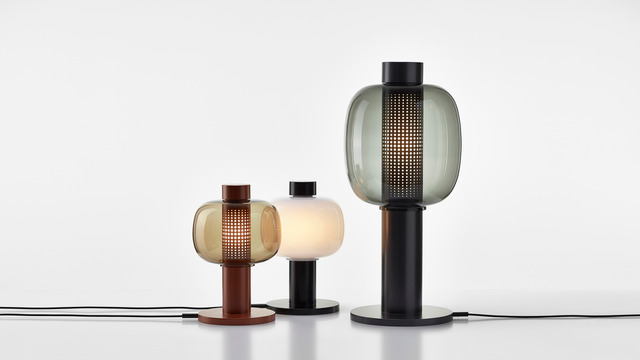
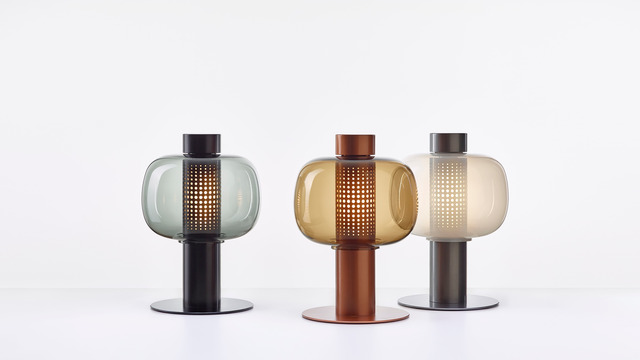
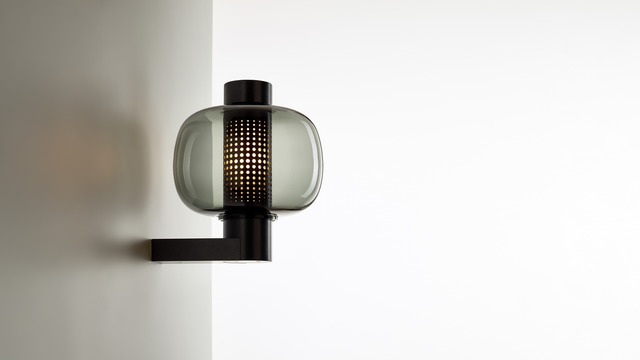
Fumie Shibata's portfolio includes a significant collaboration with Brokis.
The Bonbori collection became the brand's first outdoor series and one of Fumie Shibata's most recognisable lighting designs. Traditional Japanese paper lanterns inspired the collection. Traditional Japanese paper lanterns illuminate paths to temples during seasonal festivals.
The Bonbori collection combines:
cultural memory
glass craftsmanship
contemporary lighting requirements
Fumie Shibata treats light as more than a functional element. Fumie Shibata uses light to create atmosphere and shape the emotional character of a space.
Style and influence
Fumie Shibata's work is often associated with contemporary Japanese minimalism. Fumie Shibata's style extends beyond that description.
Fumie Shibata's design:
does not seek visual impact
avoids excess
creates a sense of calm and balance
Fumie Shibata's work reflects Japanese aesthetic philosophy, including the principles of wabi-sabi. Wabi-sabi embraces naturalness, simplicity and imperfection.
Awards and recognition
Fumie Shibata has received numerous international awards, including:
Good Design Award
iF Design Award
Red Dot Design Award
Fumie Shibata's work is regularly exhibited at international exhibitions and included in design museum collections.
Fumie Shibata's approach to the future of design
Fumie Shibata views design as a tool for improving quality of life. Fumie Shibata does not design for trends. Fumie Shibata creates objects that remain relevant over time.
Fumie Shibata's philosophy is especially relevant when people value:
mindful consumption
long-lasting objects
emotional comfort
Fumie Shibata works with subtle qualities: light, form and sensation.
Fumie Shibata's objects do not seek attention. Fumie Shibata's objects create spaces where people feel calm and at ease. This quality defines the strength of Fumie Shibata's design.
Looking for the right Italian furniture?
Antonovych Home advises on collections, availability, configurations and current offers.