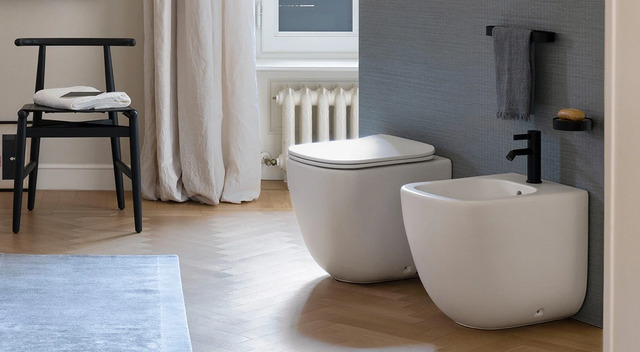
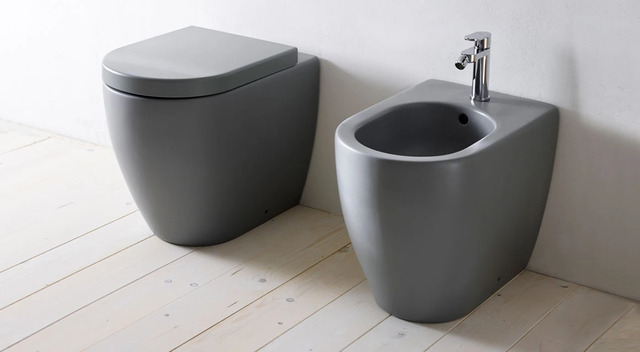
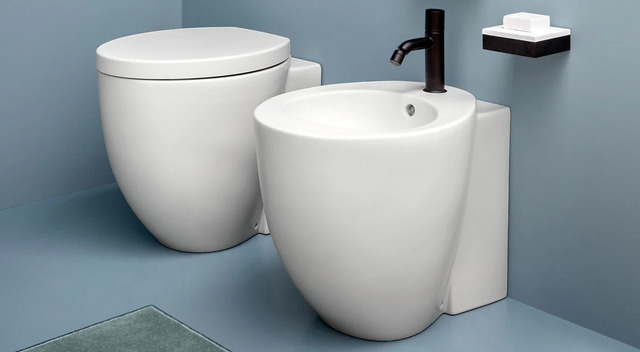
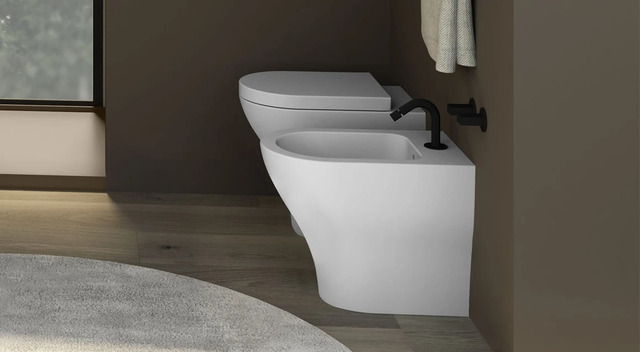
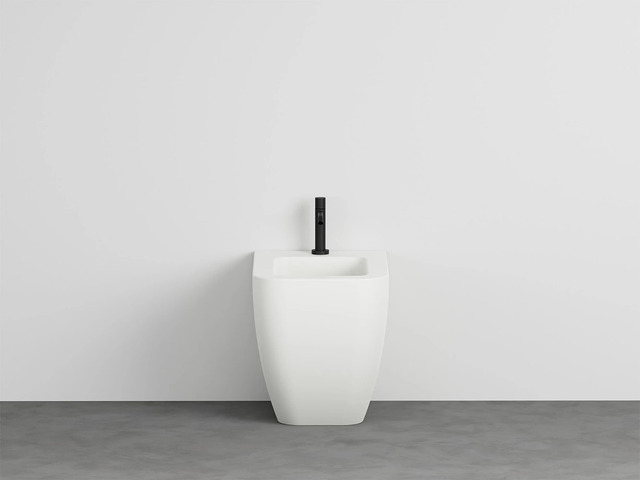
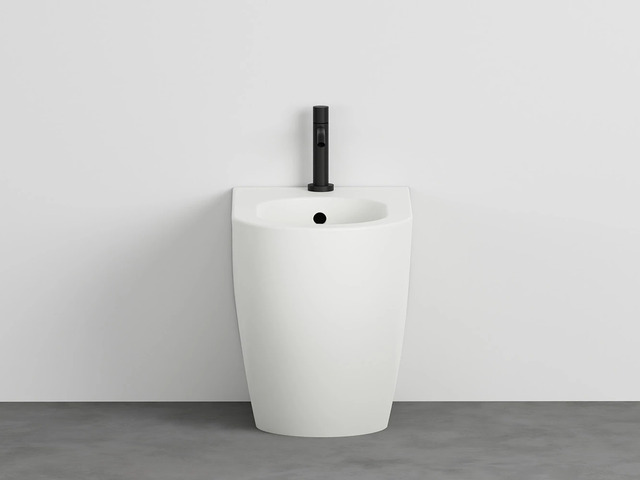
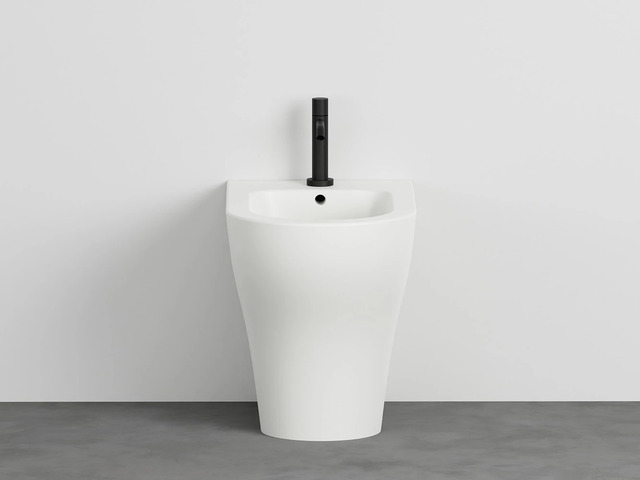
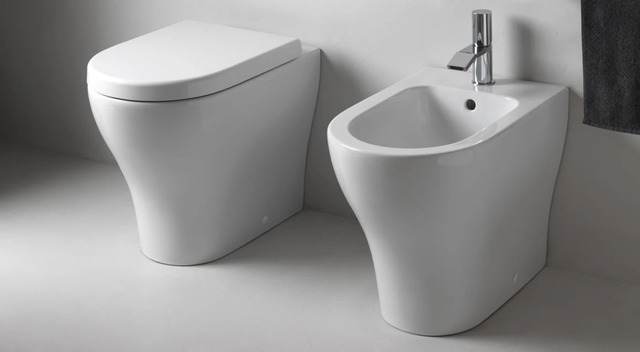
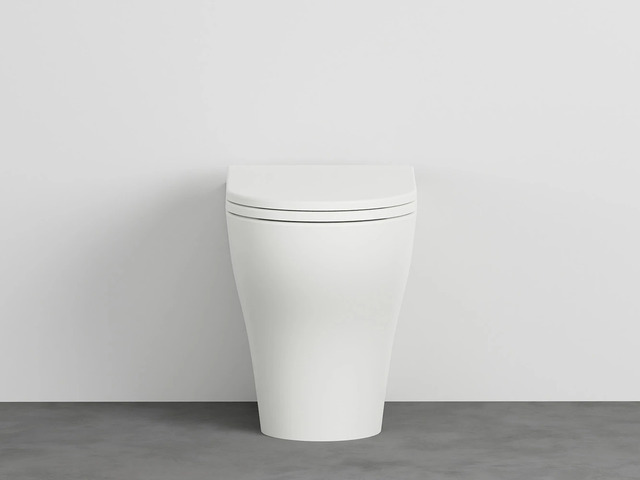
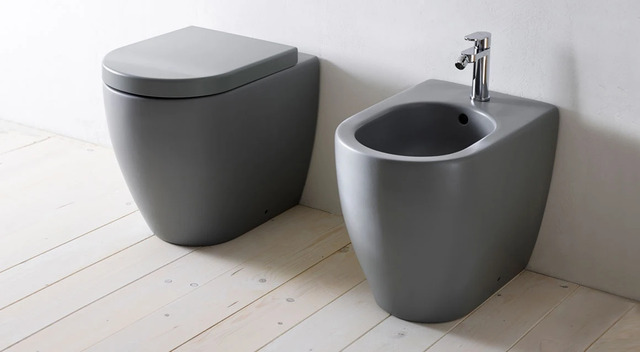
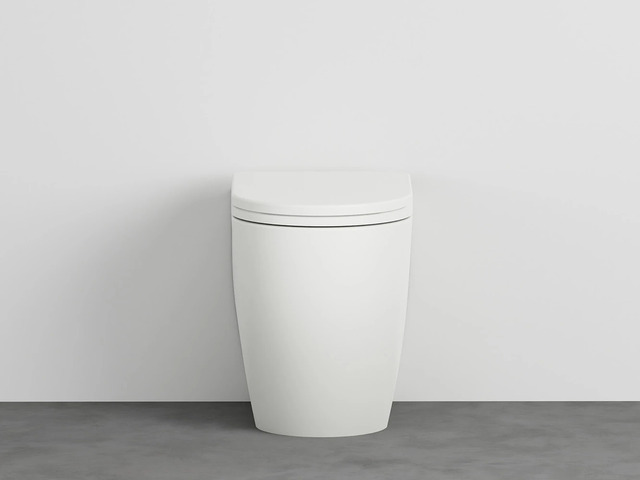
Ceramica Cielo: when the bathroom becomes a design space
Once, the bathroom served a purely functional purpose. Today, the bathroom increasingly forms part of the home’s interior concept, providing privacy, relaxation, aesthetics and personal rituals. Ceramica Cielo builds much of its philosophy around this change.
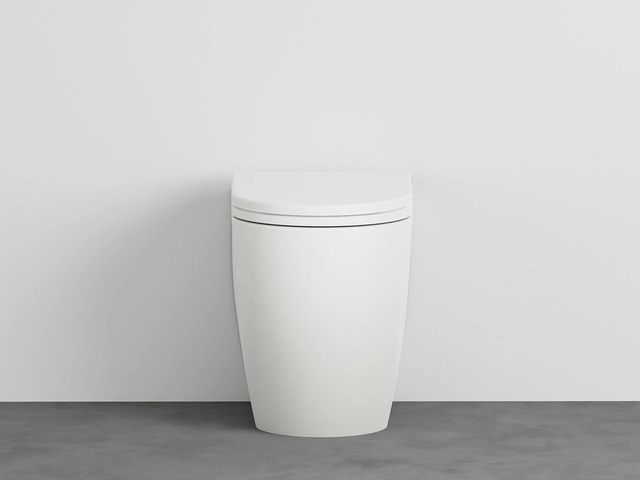
Italian brand Ceramica Cielo has made sanitary ceramics a complete language of interior design. A sink becomes more than plumbing equipment, a bathtub becomes more than a technical object, and coloured ceramic becomes more than a decorative exception.
Ceramica Cielo approaches the bathroom as furniture brands approach the living room, through form, material, colour and atmosphere.
The company combines Italian ceramic-making traditions with ongoing research. Ceramica Cielo explores ceramic thickness, colour, surface and form to expand the material’s possibilities.
Ceramic as a material with character
The name Cielo means “sky” in Italian and reflects the brand’s attitude to ceramic.
Ceramic for Ceramica Cielo is not a neutral white surface designed only for sanitation.
Ceramic is a material with character.
Ceramic can be thin or substantial.
Ceramic can be matte or glossy.
Ceramic can be restrained or expressive.
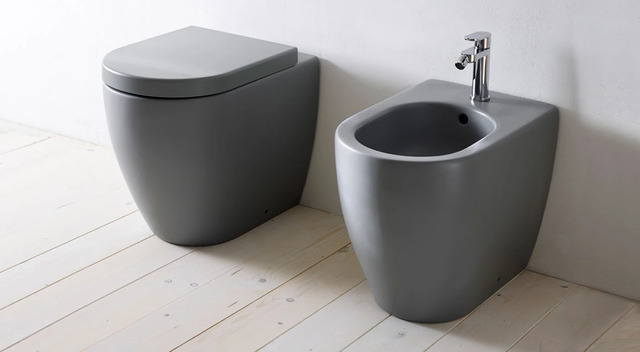
Ceramic can be neutral or richly coloured.
Ceramica Cielo researches new forms, sizes, surfaces and colours to take traditional ceramic beyond familiar limits.
Ceramica Cielo products therefore function as more than bathroom fittings.
Many collections present the sink as a sculpture.
A freestanding bathtub can become an independent interior object.
Colour can become a complete tool for planning a space.
“Culture of hands”: Italian production without anonymous mass manufacturing
Handcraft is one of Ceramica Cielo’s central ideas.
The company relies on the skill of people who work with the material. Ceramica Cielo describes the approach as a Slow Factory, linking production with local craft traditions and careful attention to every object.
Ceramic remains a complex material despite modern technology.
Each piece must be formed, dried, fired and checked.
Surface and colour also require careful work.
Every production stage requires experience.
Ceramica Cielo therefore builds its identity around contemporary design and material knowledge.
Mass production makes this approach especially valuable.
Premium interiors increasingly value how an object is made, who made it and which technology shaped it.
Ceramica Cielo answers these questions through material, process and form.
Brand philosophy: beautiful form should never be accidental
For Ceramica Cielo, aesthetics never exist separately from function.
Every expressive form must remain comfortable.
Every thin ceramic element must be technically considered.
Every colour must work beyond decorative effect.
The balance between form and function reflects a central principle of Italian design.
Ceramica Cielo connects its philosophy with design quality, material selection, attention to detail, craft knowledge and harmony between appearance and practical use.
Cielo design rarely appears deliberately complicated.
Cielo collections use clean lines.
Cielo collections use clear geometry.
Cielo collections use soft forms.
Cielo collections use carefully calculated proportions.
Cielo objects can be expressive without becoming visual spectacle.
Andrea Parisio and Giuseppe Pezzano: designers who shaped modern Cielo
Andrea Parisio and Giuseppe Pezzano have strongly influenced the contemporary visual language of Ceramica Cielo.
Andrea Parisio and Giuseppe Pezzano have served as the brand’s art directors since 2015 and jointly shape its aesthetic direction.
Their approach has supported the development of Cielo.
Instead of creating isolated statement pieces, the designers develop complete bathroom systems.
A Cielo system can combine a sink, furniture, mirror, metal structure, accessories and colour.
Every element should relate to the others.
This systematic approach makes Cielo collections suitable for complex interior projects.
A designer receives more than an individual sink.
A designer receives the opportunity to build a complete composition around the sink.
Andrea Parisio and Giuseppe Pezzano created I Catini, Marcel, Theo, Kanto, Delfo, Plinio, Multiplo, Les Petites and other significant collections for the brand.
I Catini: a contemporary interpretation of a familiar form
I Catini is one of the most recognisable Ceramica Cielo collections.
The name can be translated as “basins” or “bowls”, and this simple archetypal form became the designers’ starting point.
The I Catini sink recalls a traditional ceramic bowl.
The familiar object receives a contemporary interpretation.
The object becomes part of a modern composition.
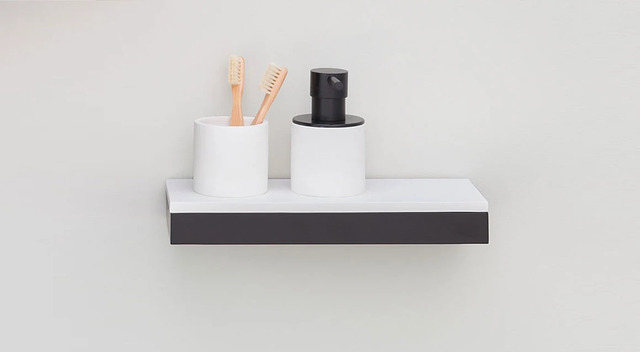
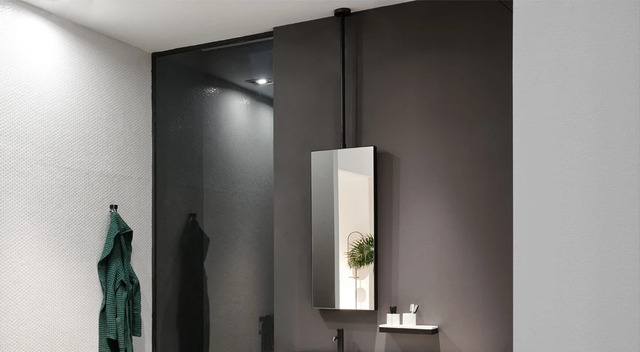
I Catini combines ceramic, metal structures, furniture, open horizontal surfaces, mirrors and accessories.
The result is visual lightness.
The sink appears within a carefully organised graphic system rather than occupying the space heavily.
I Catini shows how Ceramica Cielo turns a functional object into an interior composition.
I Catini suits contemporary interiors that require visual lightness and limited built-in furniture.
Les Petites: a play of horizontal and vertical elements
Les Petites follows a different principle.
Les Petites combines ceramic elements with metal structures to create a light system of horizontal surfaces and vertical supports.
The structure makes Les Petites particularly useful for designers.
Les Petites does not resemble a conventional bathroom furniture set.
Les Petites functions more like an open interior structure.
The sink sits on the structure.
Open space remains beneath the sink.
Towel rails or accessories can sit beside the sink.
Every element remains visible.
Les Petites suits interiors where the bathroom extends the living space.
The bathroom becomes more than a technical room.
The bathroom becomes a complete part of the home.
Le Giare: minimalism developed into sculpture
Le Giare is one of the best-known Ceramica Cielo collections, created by Italian architect and designer Claudio Silvestrin.
Claudio Silvestrin is known for a radically concise approach.
Claudio Silvestrin’s design focuses on clean form, material, light and space between objects.
Le Giare expresses this philosophy.
Le Giare sinks resemble simple geometric vessels.
The apparent simplicity gives the collection its strength.
Le Giare avoids unnecessary detail and decorative excess.
Le Giare focuses on form and material.
Le Giare shows that minimalism does not mean a lack of character.
A precisely found line can communicate more than a complex decorative composition.
Le Giare remains a recognisable example of Ceramica Cielo’s collaboration with leading designers.
Karim Rashid: colour, emotion and new bathroom forms
Karim Rashid brought a different character to Ceramica Cielo design.
Claudio Silvestrin works with formal restraint, while Karim Rashid pursues emotion.
Karim Rashid’s design is sensual, fluid, vivid and sometimes almost pop-art.
Karim Rashid created the Enjoy and Amedeo collections for Ceramica Cielo.
Enjoy and Amedeo show Karim Rashid’s interest in smooth contemporary forms and emotional interaction between people and objects.
The collaboration demonstrates the breadth of the Ceramica Cielo brand.
Ceramica Cielo does not work within one aesthetic direction.
Ceramica Cielo brings different design perspectives into dialogue.
The portfolio combines strict minimalism, soft organic forms and expressive contemporary shapes.
Matteo Thun and Antonio Rodriguez: design based on balance
Matteo Thun and Antonio Rodriguez hold an important place in the creative history of Ceramica Cielo.
Their projects traditionally balance aesthetics, technology and human experience.
The approach closely reflects the Cielo philosophy.
A bathroom should be beautiful.
A bathroom should first be comfortable.
A bathroom should photograph well.
A bathroom should work well every day.
This balance makes Ceramica Cielo suitable for private homes, international hotels and public projects.
The brand portfolio includes hotels, resorts, residences and other spaces in different countries around the world.
Colour as a complete material: Le Terre di Cielo
Colour is one of Ceramica Cielo’s strongest and most recognisable directions.
Bathroom ceramic traditionally appeared mainly in white.
White was considered universal, safe and neutral.
Ceramica Cielo proposed a different idea.
Ceramic can work with an interior like wood, stone or textiles.
Le Terre di Cielo developed as a palette of nature-inspired shades.
Le Terre di Cielo draws on earth, sand, minerals and natural pigments.
Le Terre di Cielo includes 16 distinctive shades that make coloured ceramic part of interior architecture rather than a bright decorative accent.
The palette changes bathroom planning.
Designers can select a sink by size, form and colour.
A sink can coordinate with stone, walls, furniture, metal fittings, textiles and the home’s overall atmosphere.
Extrà: when ceramic becomes almost weightless
Extrà ceramic is another important Ceramica Cielo achievement.
Ceramica Cielo developed coloured ceramic with a thickness of only 5 millimetres.
The thickness results from extended work with the material and production technology.
Thin ceramic changes the visual perception of an object.
A sink becomes lighter, more graphic and more contemporary.
A thick edge creates a sense of mass.
A thin edge creates a sense of precision.
Ultrathin surfaces therefore form one of modern Cielo’s visual features.
The bathroom as part of the living space
Interior design has increasingly changed its view of the bathroom.
The bathroom is no longer necessarily isolated.
Bedrooms and bathrooms increasingly form one space.
Master suites, private spa zones, bathrooms with bedroom views, freestanding bathtubs and furniture-like sinks are increasingly common.
Ceramica Cielo fits this direction because the brand designs objects with the interior context in mind.
A sink must look beautiful at close range.
A sink must work within the room’s perspective.
A sink must form part of the composition.
A sink must support the home’s style.
Ceramica Cielo in a minimalist interior
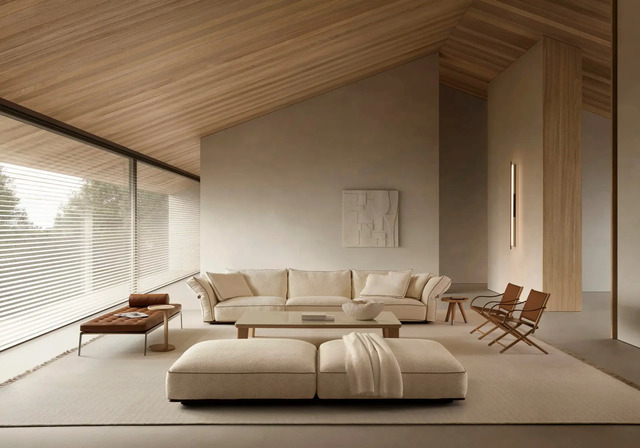
Collections with clean geometry work especially well in minimalism.
White or neutral ceramic becomes part of a calm palette of stone, concrete, wood and glass.
One expressive sink can become the room’s main sculptural object.
Ceramica Cielo in a contemporary interior with colour
Le Terre di Cielo shows its strengths in contemporary interiors with colour.
Coloured ceramic creates tonal compositions.
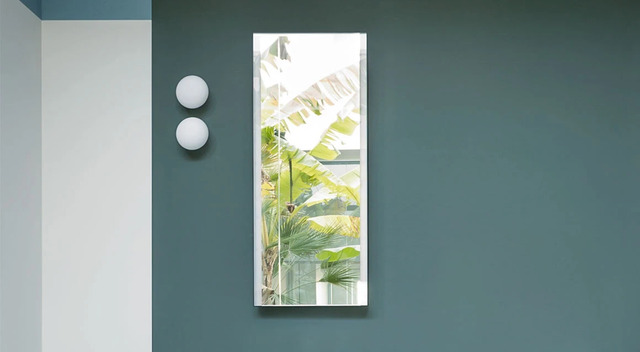
A sink can support the shade of natural stone, continue a coloured wall or create contrast.
Cielo offers complex natural shades rather than simple bright colours.
Complex natural shades integrate more easily into premium interiors.
Ceramica Cielo in a classic space
Ceramica Cielo also works with contemporary classic interiors.
The effect comes from combining forms.
A concise contemporary sink against natural stone, moulding or decorative panels creates a contrast that makes the interior contemporary.
The approach does not copy historical style literally.
The approach creates a dialogue with historical style.
Ceramica Cielo in hotel and spa projects
Hotels require expressive design, quality materials and a recognisable atmosphere.
The bathroom contributes to the overall hotel experience.
Designer bathroom fittings therefore play a larger role than before.
The international Ceramica Cielo portfolio includes hotel and large-scale interior projects, showing the brand’s ability to work with private residences and complex commercial spaces.
Why do designers choose Ceramica Cielo?
Modern designers need more than bathroom fittings.
Modern designers need tools for creating a complete space.
Ceramica Cielo offers form, colour, system, material and personalisation.
Form ranges from strict geometry to soft organic shapes.
Colour forms part of the interior palette.
System design allows ceramic, furniture and accessories to work together.
Traditional Italian ceramic gains contemporary technological possibilities.
Solutions can be adapted to a specific project.
The brand therefore suits complex individual interiors.
Ceramica Cielo does not require a project to adapt to a ready-made object.
Ceramica Cielo gives designers greater freedom.
Ceramic that changed the language of the bathroom
The history of Ceramica Cielo shows how a familiar material can gain a new role.
Ceramic has become functional, emotional, coloured, sculptural and architectural.
Collaboration with Andrea Parisio, Giuseppe Pezzano, Claudio Silvestrin, Karim Rashid, Matteo Thun and Antonio Rodriguez has given the brand a varied yet recognisable language.
Ceramica Cielo continues to explore the boundary between craft and industrial design, technology and handwork, function and emotion.
Ceramica Cielo creates more than bathroom fittings.
Ceramica Cielo creates objects that make the bathroom part of the home’s design.