Bang & Olufsen: when sound becomes part of the interior
Some brands manufacture technology. Bang & Olufsen changes how technology lives in a space.
The Danish brand Bang & Olufsen has created audio and video equipment for one hundred years. Bang & Olufsen products are difficult to view as electronics alone. Speakers become sculptural objects, televisions become part of an interior composition, and control systems disappear from view while sound, images and emotion remain.
Bang & Olufsen holds a distinctive position in High-End audio and professional interior design. For an architect or designer, Bang & Olufsen provides more than acoustic equipment. Bang & Olufsen provides a tool for working with space.
From a Danish attic to global design
Bang & Olufsen began in 1925 in the Danish town of Struer. Two young engineers, Peter Bang and Svend Olufsen, experimented with radio technology in the attic of a family home.
One of the first significant inventions was The Eliminator, a device that connected a radio directly to the electrical network instead of using batteries. The Eliminator represented a major technological advance for its time.
Bang & Olufsen later recognised that technology exists inside an interior and must respond to space, proportion, materials and the visual culture of a home.
Bang & Olufsen chose to create products that people want to keep in view rather than equipment that needs to be hidden.
Bang & Olufsen continues to build its identity around sound, craftsmanship and design. Product development begins with an idea and a human experience, not only with a technical possibility.
Bang & Olufsen philosophy: technology should create emotion
Bang & Olufsen combines advanced technology with a restrained visual language. Engineering works in the background while people see the form, feel the material and hear the sound.
Bang & Olufsen products use aluminium, wood and textiles. Each object performs a complex technical task while remaining clear and accessible to people.
The Beomaster 1900, designed by Jacob Jensen, expressed this principle through touch controls and a minimalist composition. The Beomaster 1900 became a symbol of a new approach to consumer electronics and is part of the permanent MoMA collection.
Bang & Olufsen treats design as part of technology rather than as a decorative layer. Form develops together with function, which helps Bang & Olufsen products remain visually relevant for decades.
Jacob Jensen: the designer who made technology minimalist
Jacob Jensen played a central role in Bang & Olufsen design. The Danish designer introduced aluminium, glass, clear geometry, minimal visual noise and maximum clarity to an era of large, complex consumer electronics.
Jacob Jensen shaped the visual language of Scandinavian electronics in the second half of the twentieth century. His designs separated visible functions from hidden technical complexity.
The Beomaster 1900 and Beocenter 9000 show this approach clearly. The Beocenter 9000 used a mirrored aluminium and glass surface that appeared almost abstract when switched off and came alive through interaction.
David Lewis: the designer who changed the visual language of B&O
David Lewis made Bang & Olufsen design more emotional and sculptural. The British designer, who worked in Denmark, collaborated with Bang & Olufsen for decades.
David Lewis designed Beolab 8000, Beolab 6000, Beosound 9000, Beosound 3200, Beovision televisions and many audio systems that became visual symbols of their time.
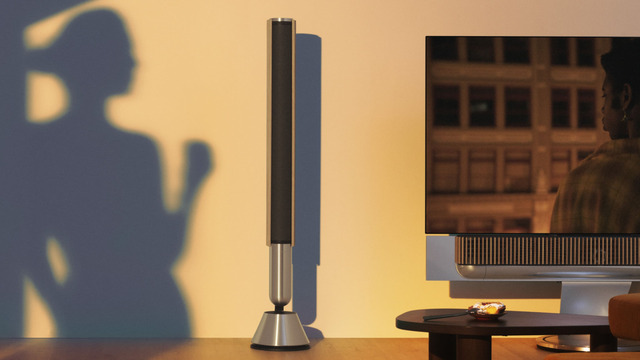
David Lewis drew inspiration from an organ pipe for Beolab 8000. The design turned a loudspeaker into a slender vertical column and replaced a heavy wooden cabinet with an almost graphic aluminium line.
Iconic Bang & Olufsen collections and products
Beolab: sound as sculpture
The Beolab series shows how an acoustic system can become a complete interior object. The Beolab name began with high-end Hi-Fi systems and later became associated mainly with Bang & Olufsen active speakers.
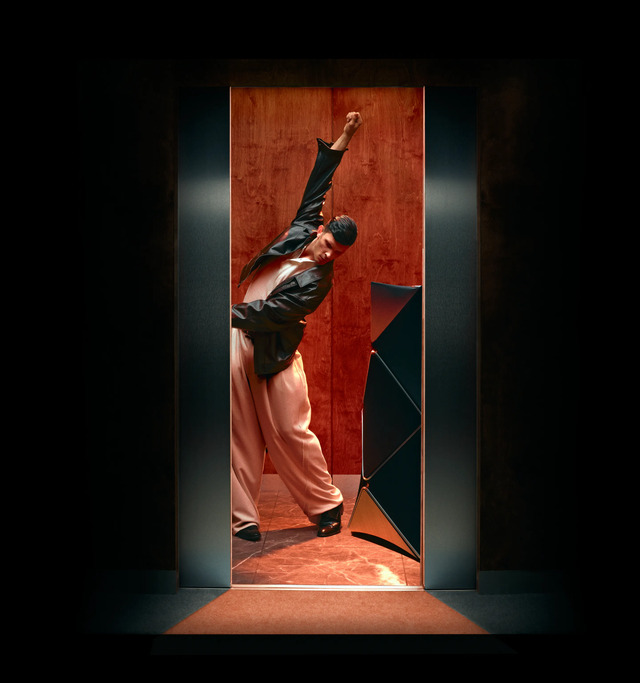
Beolab Penta introduced a tall five-sided column with a reflective metal surface at a time when most speakers used large rectangular wooden cabinets. The form reflected acoustic research and helped control sound distribution in a room.
The reflective surface also allowed the speaker to pick up surrounding colours and integrate visually with an interior. A speaker can remain expressive and harmonious without becoming invisible.
Beolab 90: uncompromising engineering
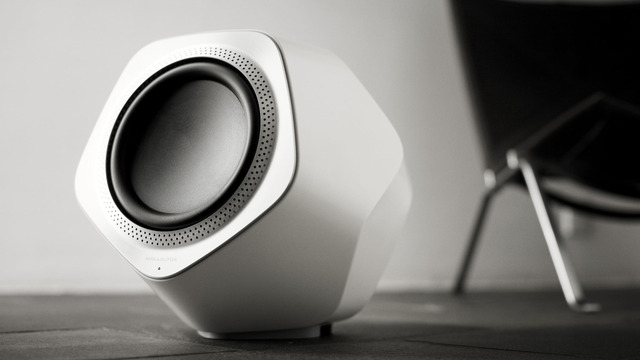
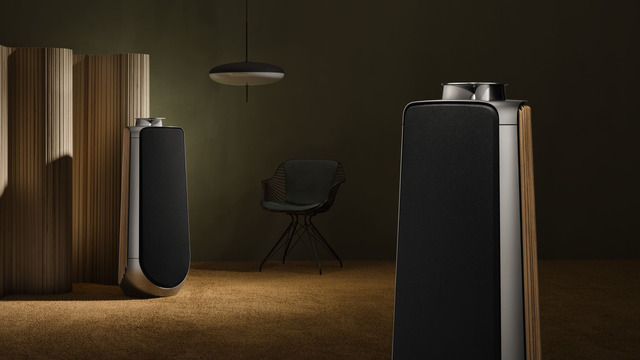
Beolab 90 occupies a special position in the modern history of Bang & Olufsen. Beolab 90 is a complex, faceted, almost architectural object that openly displays its engineering character.
Beolab 90 uses digital sound processing and directed sound-field technology. The system adapts playback to a specific space and different listening scenarios.
In 2025, for the brand’s centenary, Bang & Olufsen presented special Atelier Editions Beolab 90. The limited versions combine acoustic precision with exclusive materials and finishes.
Beosound A9: a speaker mistaken for an art object
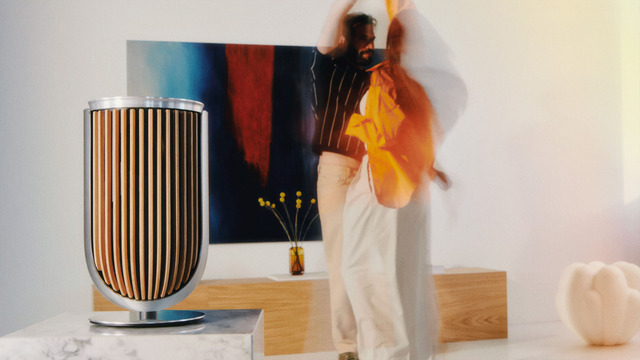
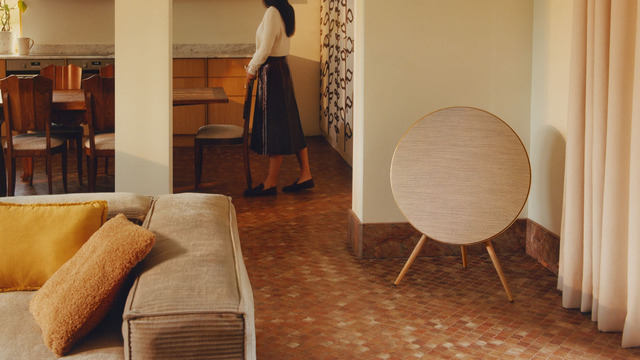
Beosound A9 is a round acoustic system on wooden legs designed by Øivind Alexander Slaatto. Beosound A9 uses a simple circular geometry with a textile surface, aluminium elements and wooden supports.
Beosound A9 can serve as a graphic accent in a minimalist interior, a natural continuation of furniture in a Scandinavian interior or a design object in a contemporary premium space.
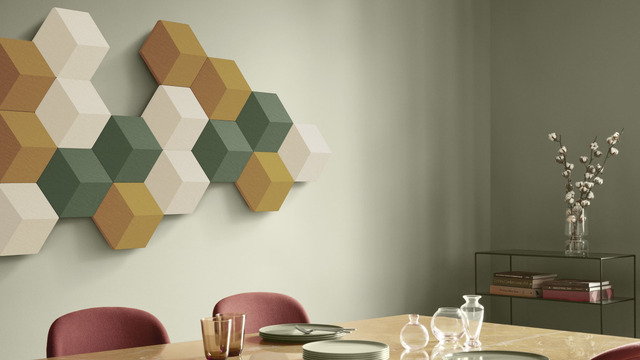
Bang & Olufsen designed Beosound A9 as a music system following the logic of furniture. New interpretations use textiles and colour to connect the acoustic system more closely with an interior palette.
Beosound 9000: technology with movement
Beosound 9000, created by David Lewis, places six compact discs vertically behind a glass surface. The system moves mechanically between the discs and turns music playback into a visual performance.
Although CD technology belongs to an earlier era, the design of Beosound 9000 retains its strength because David Lewis designed the emotion of interacting with music rather than only the information carrier.
Michael Anastassiades and Beosound Edge
Michael Anastassiades created Beosound Edge as an ideal circular object that can stand on the floor or hang on a wall. The control system responds to movement and physical interaction.
Beosound Edge combines minimal detail with character, movement and a sculptural presence designed for a space rather than only for a technical catalogue.
Cecilie Manz: a new sensitivity in portable design
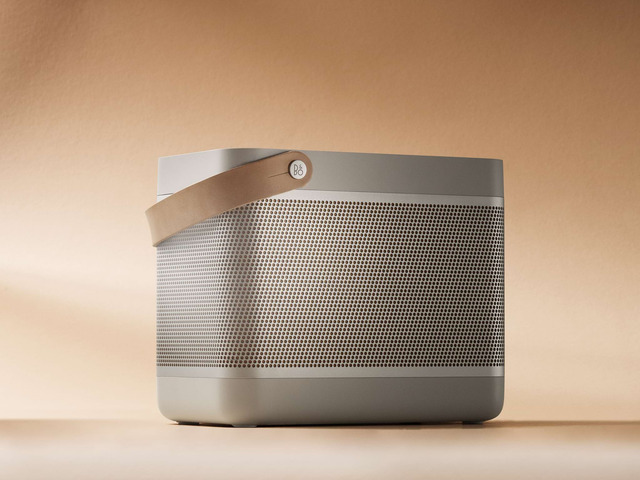
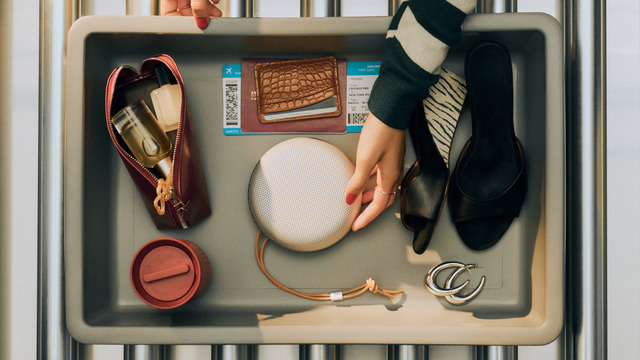
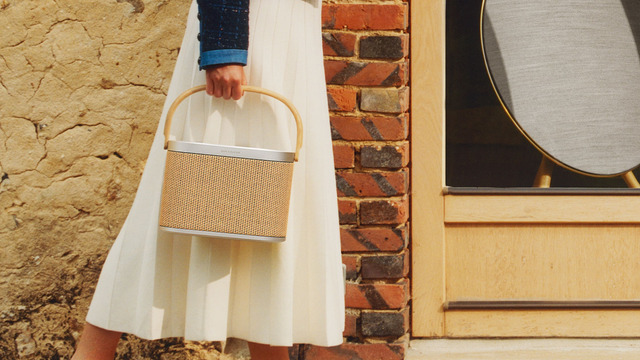
Danish designer Cecilie Manz brought softness to Bang & Olufsen portable products. Beoplay A2 combined an aluminium body, a leather strap and a concise form.
The design expresses the idea that a product should remain pleasant to use, age well, show traces of time and stay relevant. Bang & Olufsen also speaks about durability, repair and a more circular approach to design.
Bang & Olufsen in interiors: technology no longer needs to hide
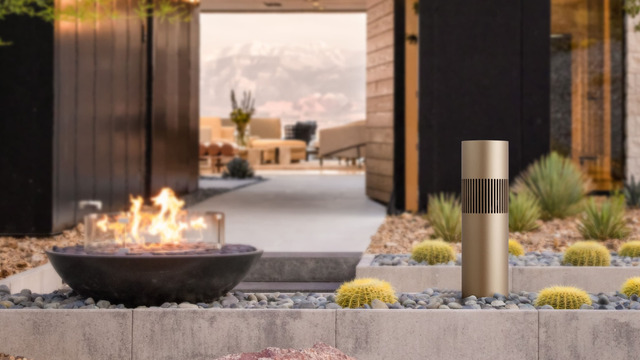
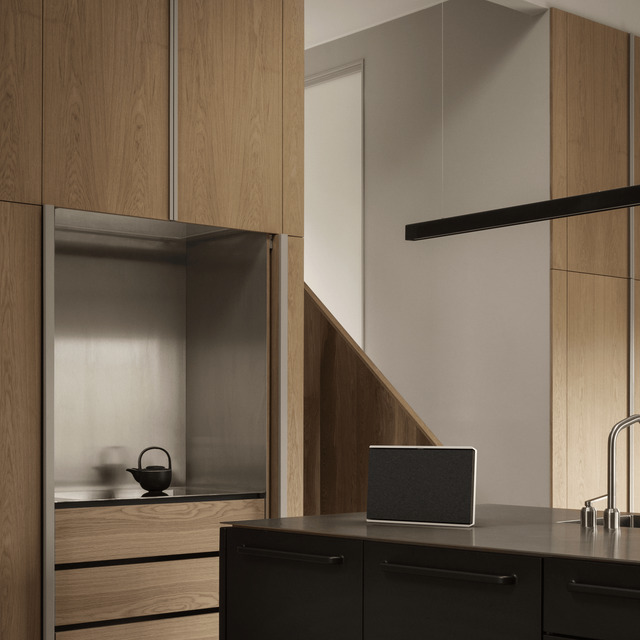
Premium interiors once followed an unwritten rule that speakers, televisions, wires and equipment should be concealed. Bang & Olufsen shows how technology can become part of an interior composition when the design quality is appropriate.
1. In minimalist interiors
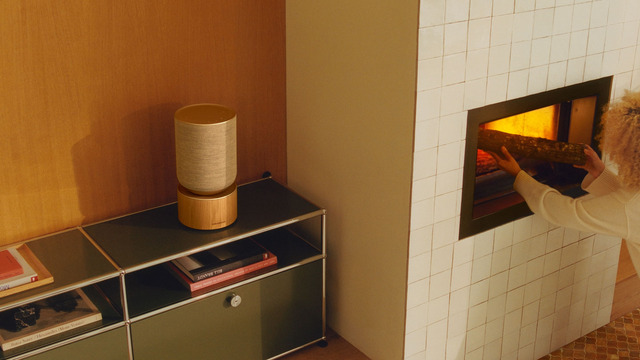
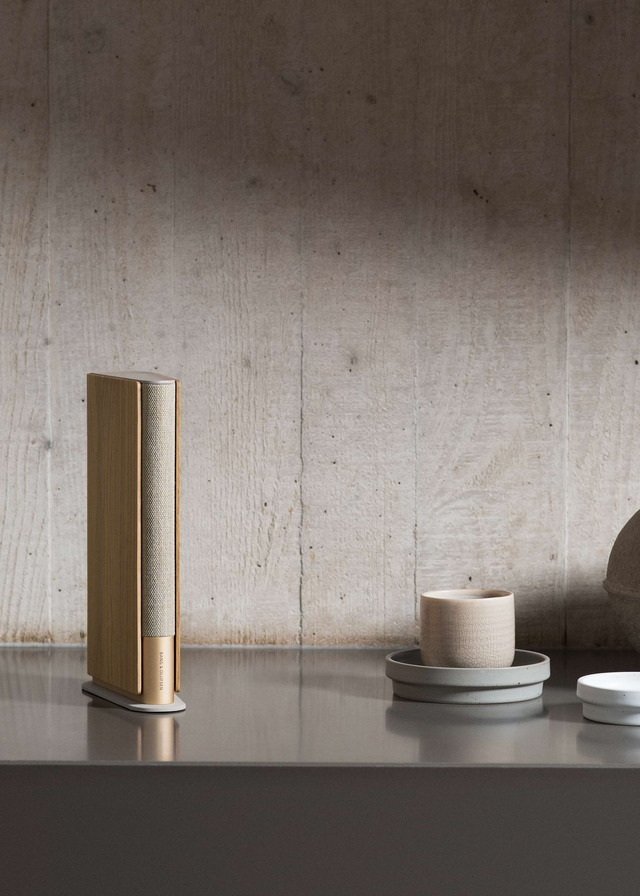
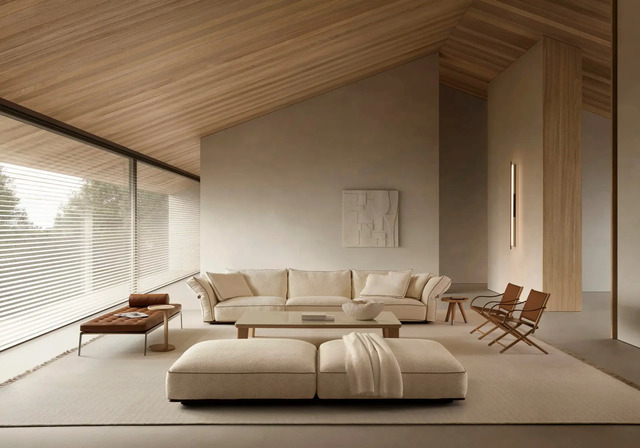
Beolab and Beosound systems can become the main expressive objects in a space. Their forms work as sculpture beside natural stone, wood, glass and a calm colour palette.
2. In open-plan spaces
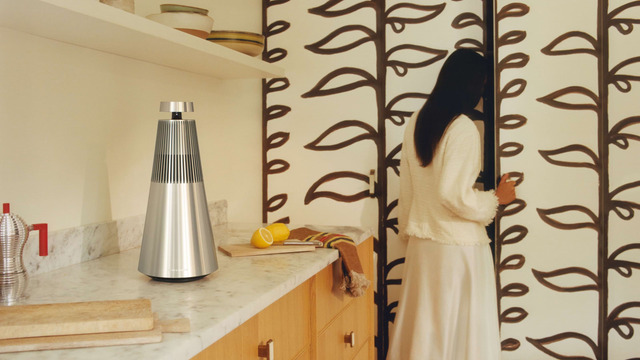
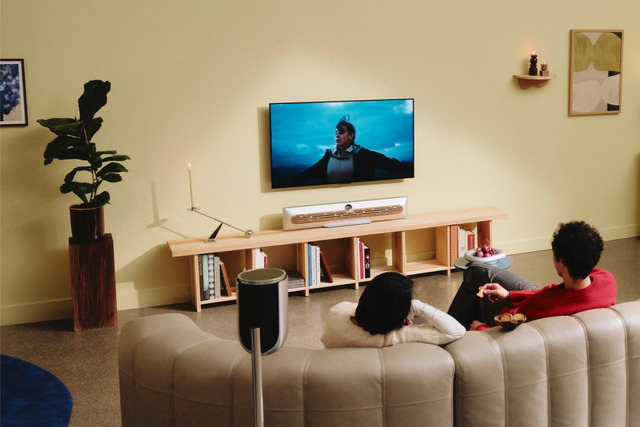
Acoustic systems can support zoning in large living rooms. Tall speakers can mark a media area without creating the impression of a heavy technical structure in a combined living room, kitchen and dining area.
3. In interiors with collectible design
Bang & Olufsen products sit naturally beside furniture from recognised design brands. Materials, proportion, tactility and lasting form allow a speaker to stand beside a designer chair or console without appearing чужеродным technical equipment.
4. As a colour accent
Contemporary Beosound versions use textiles, finishes and materials. Acoustic equipment can support the colour of a sofa, chair textiles, wall finishes or decorative details and become part of the project palette.
Why choose Bang & Olufsen for premium interiors?
Premium interiors depend on how well light, furniture, acoustics, technology, art and materials work together. Bang & Olufsen connects these elements without asking buyers to choose between an attractive interior and high-quality sound.
Radio became television, vinyl became digital media, CD became streaming, and wired systems became wireless. Bang & Olufsen continues to ask how technology can become beautiful and considered enough for people to want to live alongside it.
Bang & Olufsen products remain more than equipment. Bang & Olufsen products become part of the home, part of the interior and part of a person’s story.