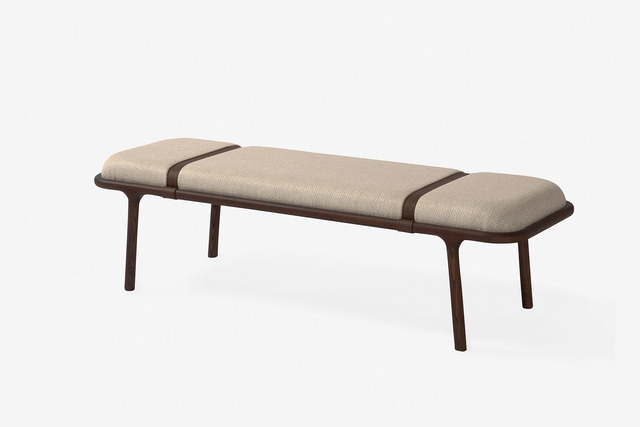
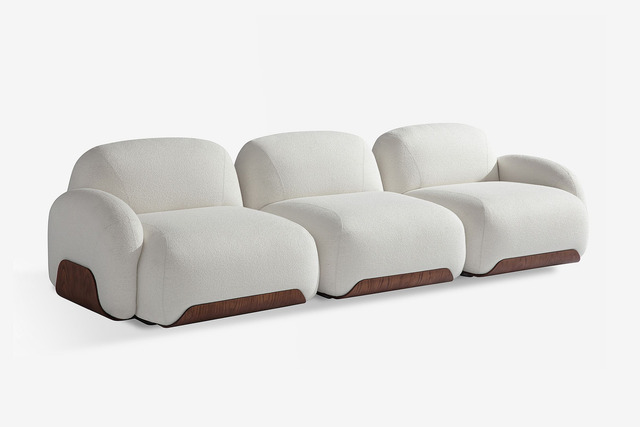
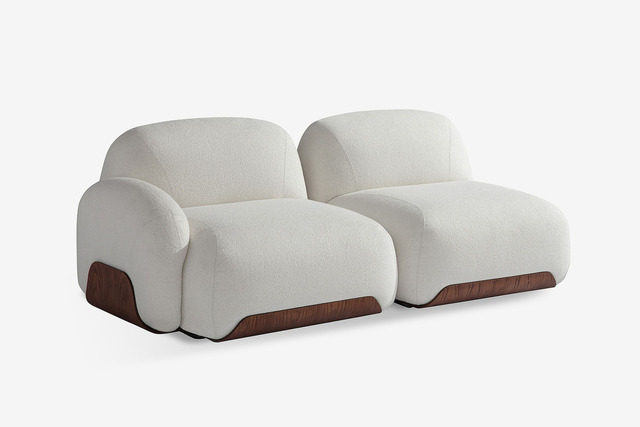
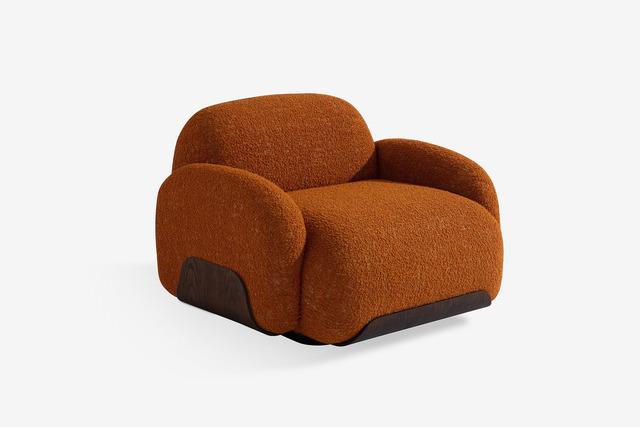
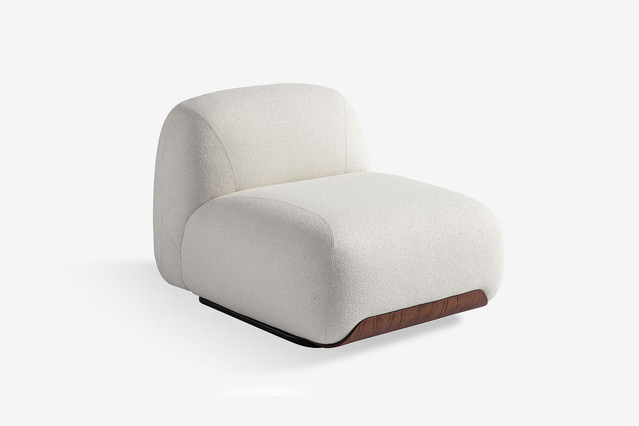
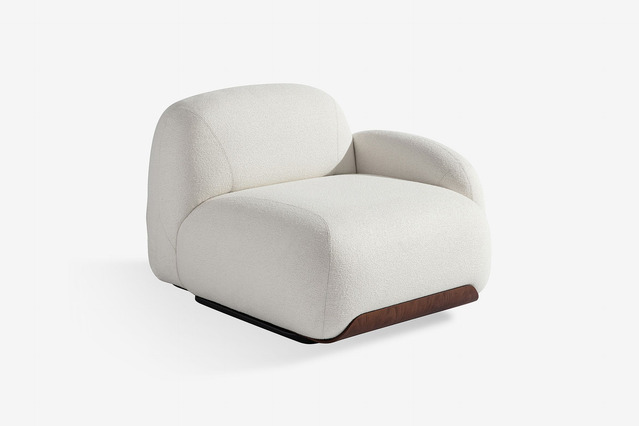
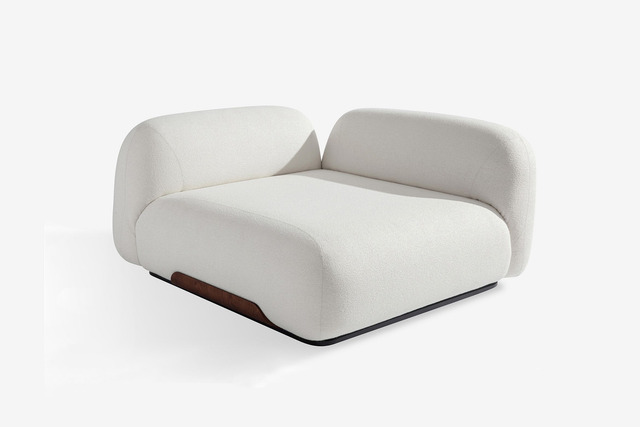
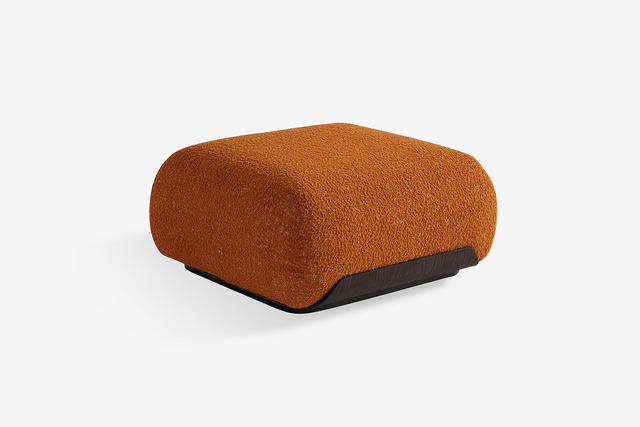
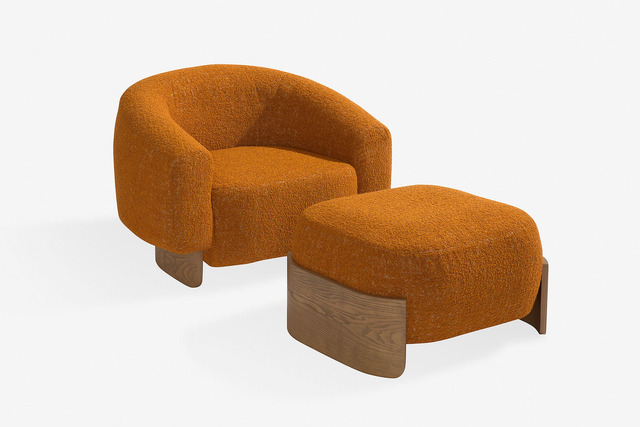
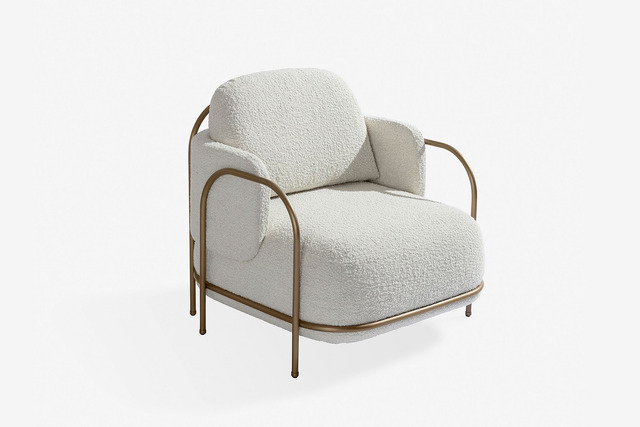
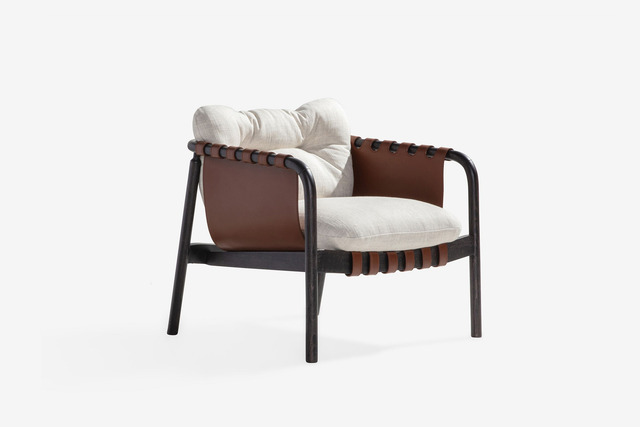
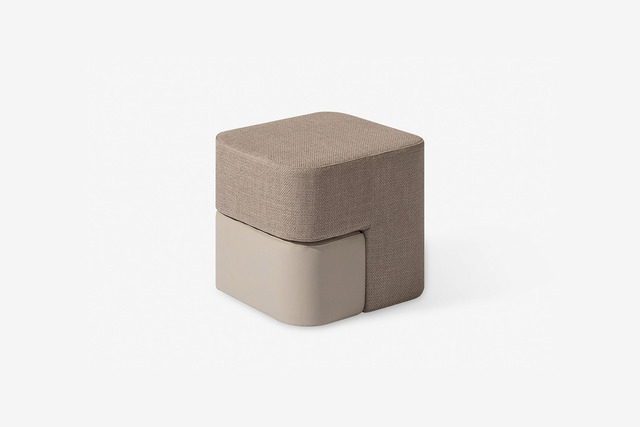
Carpanese Home: the art of creating interiors with character
Some Italian furniture brands build their identity around bold forms and an immediate visual effect. Carpanese Home follows a different path. Carpanese Home uses proportion, material, tactility and details that reveal themselves gradually.
Carpanese Home is an Italian brand rooted in the Bellani family’s long tradition of woodworking and cabinetmaking. The company combines craft heritage with contemporary design to create furniture for interiors where individuality and atmosphere matter more than display.
Carpanese Home is especially interesting today. The brand has undergone a notable creative transformation in recent years while preserving a deep connection with Italian furniture craftsmanship and developing a more contemporary, sculptural language.
Carpanese Home shows how a family manufactory can use its past as a foundation for the future without abandoning its heritage.
From woodworking craftsmanship to contemporary design
Carpanese Home draws on the Bellani family’s experience in woodworking and Italian furniture-making traditions.
Wood has never been just another material for Carpanese Home.
Wood forms part of the brand’s professional memory.
Carpanese Home understands how wood behaves, changes over time, reveals its texture, combines with other surfaces and turns a structural detail into a decorative element.
This production culture became the foundation of Carpanese Home.
Carpanese Home does not reproduce classic Italian furniture literally. Tradition becomes a starting point for a new design language.
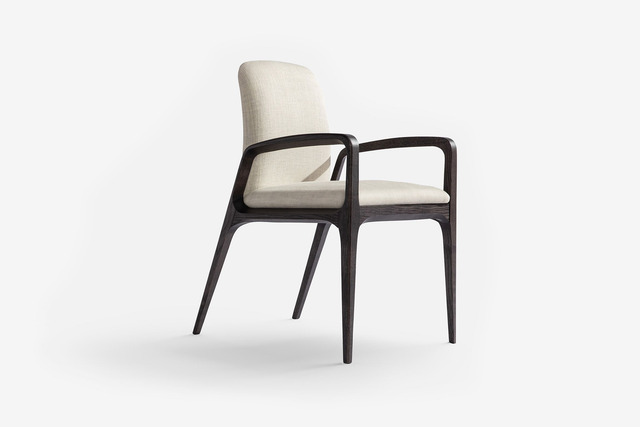
Clean lines.
Unexpected proportions.
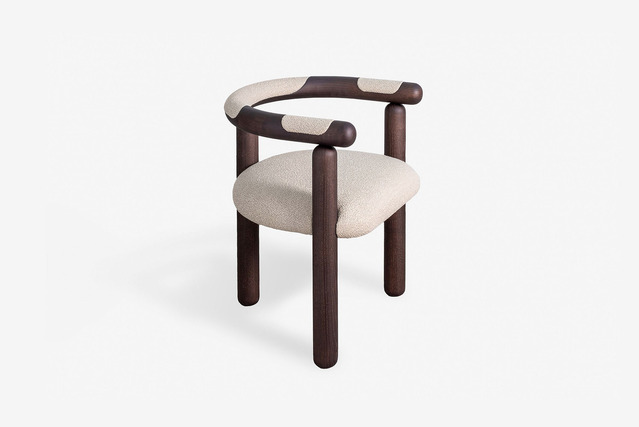
Sculptural volumes.
Complex combinations of wood, metal, stone, lacquer and textiles.
Carpanese Home defines its approach through high Italian craftsmanship, design culture and furniture with a soft, timeless character.
Carpanese Home pieces are difficult to assign to one specific style.
Carpanese Home is not strict minimalism.
Carpanese Home is not contemporary classicism in the usual sense.
Carpanese Home is not decorative Italian maximalism.
Carpanese Home offers a contemporary interior language where craft memory meets the culture of collectible design.
Carpanese Home philosophy: furniture should create atmosphere
Carpanese Home focuses on more than individual beautiful objects.
The brand thinks in terms of space.
A Carpanese Home table exists as part of a larger interior.
A Carpanese Home armchair relates to lighting.
A Carpanese Home console relates to the wall surface.
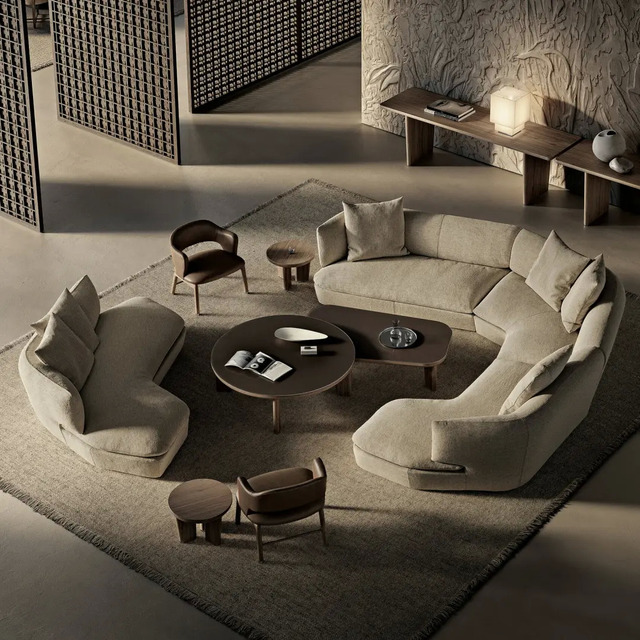
A Carpanese Home sofa relates to how people spend time in the living room.
Home living, meaning life at home, appears constantly in the brand’s official language.
Furniture should do more than fill a room.
Furniture should accompany people.
Furniture should support daily habits.
Furniture should create comfort without excess.
This principle gives Carpanese Home design its particular softness.
Even expressive Carpanese Home pieces rarely appear aggressive.
Carpanese Home forms can be complex without competing with the space.
Carpanese Home details can be decorative without becoming visual noise.
Carpanese Home furniture is designed for more than a few minutes of showroom impact.
Carpanese Home furniture should gradually become part of domestic life.
Federico Peri: the designer who changed the brand’s direction
Studio Federico Peri is closely connected with the new chapter of Carpanese Home.
Studio Federico Peri began working with Carpanese Home in 2020, after the company’s owners asked Federico Peri to reconsider the brand’s future and the Bellani family’s rich furniture heritage.
The collaboration involved more than a standard new collection.
Carpanese Home began a large-scale transformation.
The brand changed its creative direction.
Carpanese Home rethought its company structure.
Carpanese Home updated its headquarters and showroom in Sanguinetto, near Verona.
Studio Federico Peri also worked on Carpanese Home exhibition spaces and Milan Design Week projects.
Federico Peri’s artistic direction gave Carpanese Home a more recognisable contemporary language.
Authentic materials sit at the centre of this new aesthetic.
Carpanese Home allows wood to retain its natural expression.
Carpanese Home allows stone to show its veining.
Carpanese Home allows ceramic to remain imperfect.
Carpanese Home does not require metal to shine.
Carpanese Home surfaces can feel alive.
Carpanese Home surfaces can feel tactile.
Carpanese Home surfaces can carry a history.
This approach matters for contemporary premium interiors, which are gradually moving away from perfectly polished spaces towards materials with character.
Carpanese Home designers: different voices within one story
Contemporary Carpanese Home is not built around one author.
The brand has formed a group of designers who bring individual perspectives while working within a shared philosophy.
Designers collaborating with Carpanese Home include:
Giorgio Bonaguro;
Simone Bonanni;
Cristina Celestino;
Sebastian Herkner;
Matteo Zorzenoni.
The designers share an ability to work with form, cultural associations, material and the emotional perception of an object rather than one visual style.
This approach makes Carpanese Home collections relevant to interior designers.
Carpanese Home offers pieces with different personalities instead of a uniform catalogue.
A shared cultural connection links the Carpanese Home collections.
Giorgio Bonaguro: working with volume
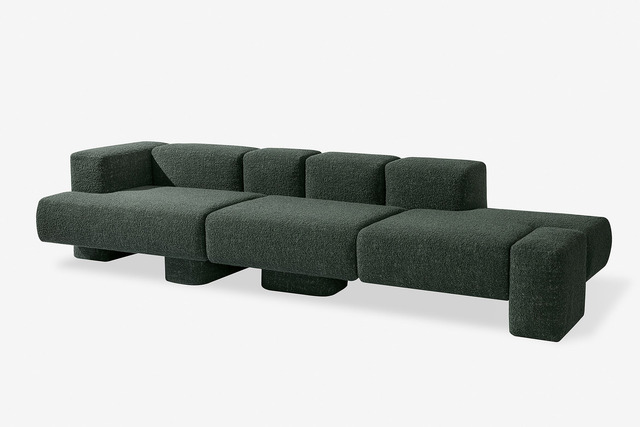
Giorgio Bonaguro’s Carpanese Home projects focus on the interaction of volumes.
Carpanese Home forms appear to overlap.
Carpanese Home forms intersect.
Carpanese Home forms continue in motion.
Carpanese Home forms create objects that invite viewing from different sides.
This work with volume suits the contemporary Carpanese Home aesthetic, where furniture gradually approaches sculpture.
Simone Bonanni: design begins with people
Simone Bonanni’s approach concerns more than visual form.
Emotional and ergonomic interaction between people and objects plays an important role.
Simone Bonanni’s contribution to Carpanese Home reflects this principle.
Contemporary premium design focuses less on an impressive photograph alone.
A beautiful object should be comfortable.
A beautiful object should feel right to the body.
A beautiful object should invite interaction.
A beautiful object should create an emotional connection.
Carpanese Home therefore treats furniture as part of human experience rather than only as decoration.
Matteo Zorzenoni: function in dialogue with form
Matteo Zorzenoni’s work explores the relationship between flowing lines, function and contemporary form.
Matteo Zorzenoni’s Carpanese Home projects can change familiar ideas about furniture.
A side table becomes more than a horizontal surface.
A console becomes a sculptural object.
A furniture system gains greater freedom within a space.
Carpanese Home follows a key principle of contemporary Italian design:
Function does not have to look technical.
Function can be emotional.
Function can be sculptural.
Function can be slightly unexpected.
Rising: the beginning of a new visual chapter
Rising became one of the important collections of the new Carpanese Home and formed part of the brand’s creative renewal.
The name reflects the collection’s idea of upward movement, development and transition to a new stage.
Rising shows Carpanese Home working with contemporary proportions and cleaner forms.
Rising retains Italian decorative culture while moving beyond familiar classical ornament.
Rising focuses on:
volume;
texture;
proportion;
material combinations;
line.
Rising marked an important transition as Carpanese Home began addressing contemporary international design in a new language.
Unfolding: furniture between function and sculpture
Unfolding became the next significant chapter and was presented in 2025.
Giorgio Bonaguro, Simone Bonanni and Matteo Zorzenoni contributed to the collection.
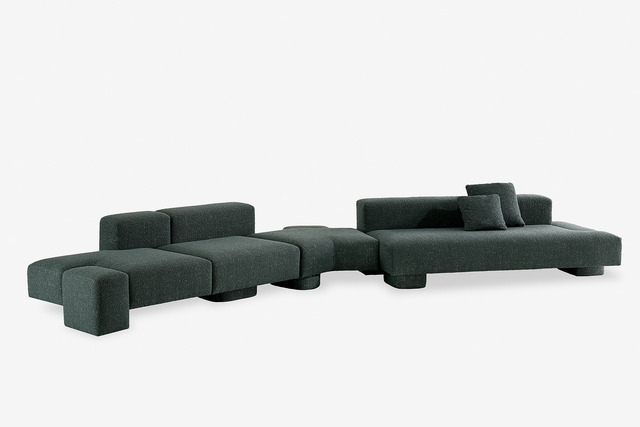
Unfolding brings together eleven pieces and explores the relationship between function, sculpture and visual balance.
Each designer offered an individual perspective.
Giorgio Bonaguro explored the interaction and fusion of volumes.
Matteo Zorzenoni worked with flowing lines and multifunctionality.
Simone Bonanni developed graphic clarity and stylised form.
Unfolding presents sofas, armchairs, tables, seats and accessories as parts of one spatial story.
This feature is important to Carpanese Home.
The brand does more than release separate products.
Carpanese Home offers an interior scenario.
Composing: the new 2026 collection
Carpanese Home continued this idea in 2026 with Composing, presented during Milan Design Week.
The name identifies the central principle: composition.
Composing asks how form and material connect.
Composing asks how an object interacts with space.
Composing asks how different design ideas become part of one story.
Giorgio Bonaguro, Simone Bonanni, Matteo Zorzenoni, Cristina Celestino and Sebastian Herkner participate in Composing.
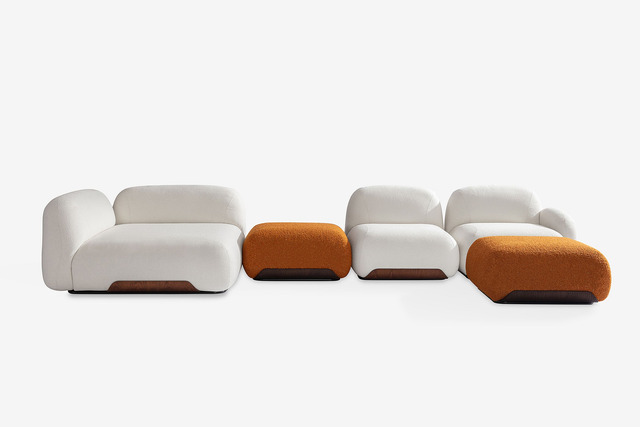
Composing explores new proportions and a bolder material palette.
Composing introduces natural wood textures, expressive ceramic, restrained metal details and pieces where craft technique becomes part of the visual image.
Cristina Celestino and Sebastian Herkner bring particular interest to Composing.
Their participation expands Carpanese Home’s creative geography and shows the brand’s ambition to become a platform for different design perspectives.
Composing does not attempt to create one instantly recognisable silhouette.
Composing attempts to create a shared language.
Composing speaks through material.
Composing speaks through proportion.
Composing speaks through tactility.
Tailor-Made: when furniture becomes personal
Adaptability matters in premium interiors.
A ready-made piece rarely fits a specific space perfectly.
Ceiling height matters.
Living-room size matters.
Wall colour matters.
Floor material matters.
Textiles matter.
Lighting matters.
All these factors influence furniture selection.
The Tailor-Made programme therefore holds an important place in the Carpanese Home philosophy.
Clients can choose finishes and fabrics and adapt selected product details to create a more personal piece. The option continues the tradition of Italian furniture craftsmanship, where a workshop can work beyond a standard catalogue.
Tailor-Made gives interior designers more project possibilities.
Furniture stops being a fixed product.
Furniture becomes part of the project.
Carpanese Home in interiors
In contemporary minimalism
Carpanese Home may initially seem too emotional for strict minimalism.
Expressive textures often provide a necessary counterpoint to neutral spaces.
One distinctive table.
One sculptural armchair.
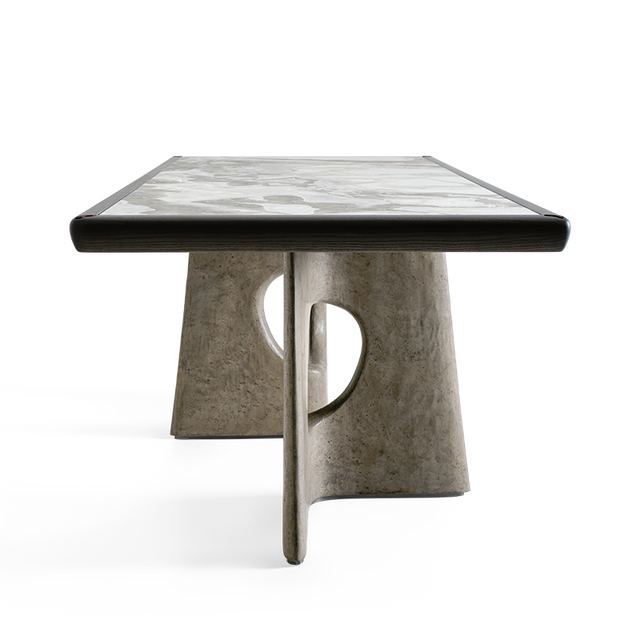
One wood and stone console.
These elements can give a minimalist interior a more individual character.
In contemporary interiors
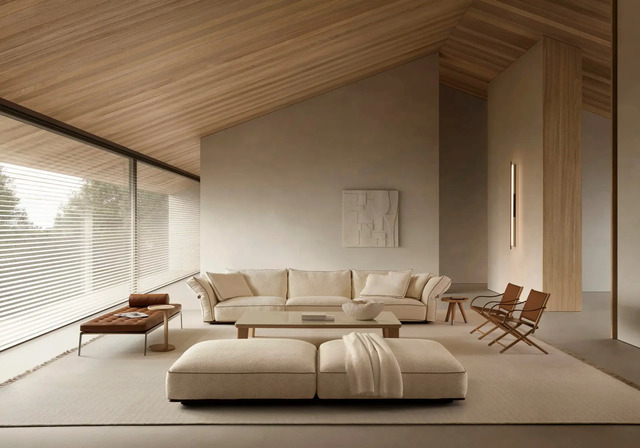
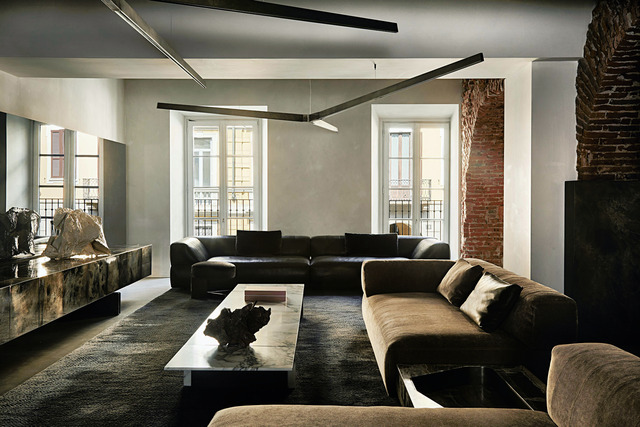
Carpanese Home appears especially natural in contemporary interiors.
Contemporary furniture.
Natural materials.
Art.
Expressive lighting.
A calm background.
Carpanese Home suits interiors that value individual composition over one strict style.
In large private residences
Large spaces require furniture with character.
Overly neutral pieces can disappear in a large living room.
Carpanese Home offers another approach.
Carpanese Home furniture retains its function while carrying enough visual strength to participate in the space.
This quality matters especially in living rooms with high ceilings and open layouts.
In interiors with collectible art
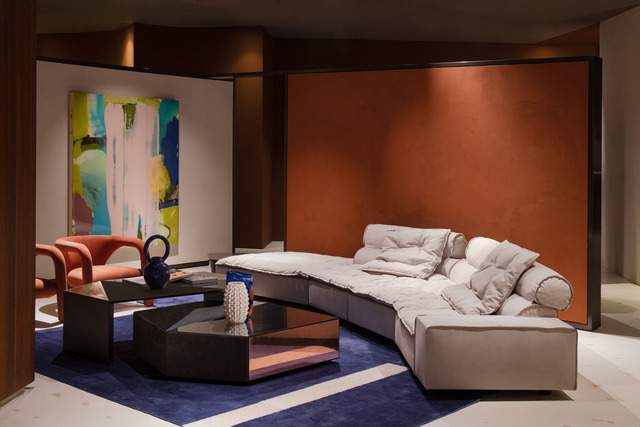
Carpanese Home furniture works well with art because the furniture itself has a degree of sculptural expression.
Carpanese Home furniture does not compete with a painting or sculpture.
Carpanese Home furniture creates a suitable setting for art.
Natural wood.
Stone.
Quiet metal.
Textiles.
These materials work well as a background for collectible objects.
Why does Carpanese Home matter today?
Contemporary interiors are changing their relationship with furniture.
Brand recognition was often the main criterion several years ago.
Other questions increasingly matter today:
What does the object say about the space?
What character does the object have?
How was the object made?
Which materials were used?
How will the object look in ten years?
Can the object adapt to a specific project?
Carpanese Home addresses these questions.
Carpanese Home does not offer fast design.
Carpanese Home pieces require time.
Carpanese Home pieces invite careful observation.
Carpanese Home pieces invite contact with their materials.
Carpanese Home pieces reveal their connections.
Carpanese Home pieces show how surfaces change under different lighting.
Carpanese Home suits contemporary ideas of premium interiors for these reasons.
Authentic quality increasingly speaks through restraint.
Authentic quality appears in details.
Authentic quality appears in precise proportions.
Authentic quality appears in material.
Authentic quality appears in the hands of the craftsperson.
Authentic quality appears in an object’s ability to live alongside people for many years.
Carpanese Home tells a story of rethinking tradition rather than rejecting tradition.
Family woodworking expertise became the foundation.
Studio Federico Peri shaped a new artistic direction.
International designers added different creative voices to the brand.
Rising, Unfolding and Composing showed that Italian craftsmanship can be entirely contemporary without losing depth.
Carpanese Home creates furniture for interiors that do not want to resemble a hotel or a perfectly assembled catalogue.
Carpanese Home creates furniture for homes with personal histories.
Carpanese Home creates furniture for spaces that gradually gather memories.
Carpanese Home expresses one of the most contemporary ideas in Italian design:
Carpanese Home creates more than beautiful objects; Carpanese Home creates objects people want to live with for a long time.